hillside gooseberry Care (Ribes californicum)

hillside gooseberry

About hillside gooseberry

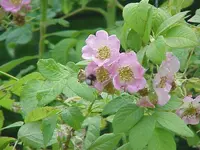
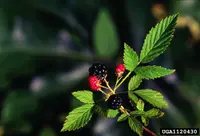
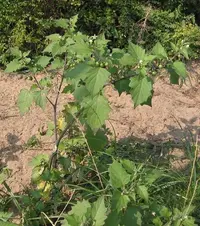
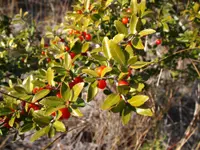
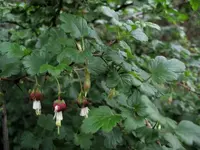
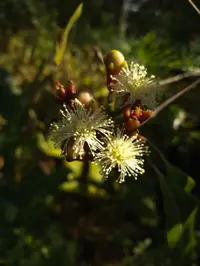
Hillside gooseberry, Ribes californicum, is a thorny, deciduous shrub native to California’s chaparral and woodland slopes. It forms a dense, mounding shape with arching, spiny branches. Small lobed leaves and spring flowers are followed by bristly red fruits that attract birds and wildlife. Its naturally drought-tolerant habit and deep root system make it well suited to dry, rocky sites and low-water gardens. Gardeners who learn how to care for hillside gooseberry usually find it resilient if given sun, good drainage, and not too much summer water.

Main Plant Requirements

Care Difficulty

Easy Care

Light Preference

Partial Sun

Water Requirements

Low Water

Temperature Preference

Cold Hardy

Hardiness Zone

7–9

Soil Texture

Sandy, Loamy, Rocky

Soil pH

Slightly acidic (6.5–7.0), Neutral (7.0)

Soil Drainage

Well-drained

Fertilization

Minimal (feed rarely)

Get Personalized Care Plan

Scan your plant to receive care tips personalized for your specific plant

Available on iOS and Android

How to Care for the hillside gooseberry

Ribes californicum prefers bright, dry conditions that mimic its native California hillsides.

  • Provide 6–8 hours of direct sun daily; in hotter inland areas, give morning sun and light afternoon shade to reduce leaf scorch.
  • Plant hillside gooseberry on an open slope or south- to west-facing site, avoiding dense tree shade that limits flowering and fruiting.
  • In coastal or cooler climates it tolerates full sun all day, but in summer heat waves add temporary shade cloth or nearby shrubs for filtered light.

Ribes californicum is drought-tolerant once established and prefers infrequent, deep watering.

  • Allow the top 5–8 cm of soil to dry before watering; in the ground, this often means every 10–21 days in dry seasons, depending on soil type and heat.
  • Use fast-draining, gritty soil on a slope or mound so water does not pool around the crown, which increases root rot risk.
  • Wilting, curling leaves and dry, brittle stems indicate underwatering, while yellowing foliage, soft new growth, or persistent soggy soil suggest overwatering.

This shrub is adapted to mild, dry climates with cool, wet winters and warm, dry summers.

  • Optimal active growth occurs around 55–75°F (13–24°C), with flowering and new shoots developing well in cool spring conditions.
  • Mature plants tolerate winter lows near 15–20°F (-9 to -6°C), but young shrubs benefit from mulch to buffer soil temperature swings.
  • In summer, it withstands brief heat up to about 95–100°F (35–38°C) if roots are mulched and soil is not waterlogged, but prolonged extreme heat can reduce vigor.

Ribes californicum is naturally adapted to dry, low-humidity environments, so indoor humidity management is rarely necessary.

Ribes californicum prefers mineral, well-drained soils that mimic its native, dry hillside habitats.

  • Use a sandy or gravelly loam with moderate organic matter to support both drainage and root nutrition.
  • Aim for slightly acidic to neutral pH, around 6.0–7.5, which suits most native shrub communities.
  • In heavy soils, incorporate coarse sand or fine gravel plus compost to increase aeration and reduce waterlogging risk.
  • Avoid compacted, poorly drained, or consistently wet substrates, which promote root rot and shorten plant lifespan.

This species can be grown in containers outdoors, though it performs best when given enough root space and sharp drainage.

  • Select a heavy, wide container that resists tipping as the shrub becomes woody and bushy over time.
  • Use a deep pot filled with a gritty, fast-draining mix so water does not linger around the crown and woody roots.
  • Choose unglazed clay or other porous materials to allow evaporation through the pot walls and keep the root zone drier.

Ribes californicum is a low-input native shrub that usually needs only light feeding in poor soils.

  • Use a thin layer of compost or well-rotted organic mulch around the root zone in early spring as primary nutrition.
  • If growth is weak, apply a balanced slow-release fertilizer (around 10-10-10) at half strength once in spring.
  • Avoid summer and fall feeding so new growth hardens before cold weather and to keep the plant compact.
  • In rich or native garden soil, caring for hillside gooseberry generally does not require additional fertilizer beyond mulch.

Ribes californicum benefits from light, timed pruning to maintain structure and flowering.

  • Prune in late winter to very early spring before new growth starts, using clean bypass pruners.
  • Remove dead, diseased, or storm-damaged wood first, cutting back to healthy tissue or the branch base.
  • Thin a few of the oldest, most crowded stems at ground level to improve air flow and light penetration.
  • Shape lightly by shortening long, arching shoots after flowering, which encourages branching and controlled size.

This shrub is usually grown in the ground, so focus on careful transplanting rather than frequent repotting.

  • Transplant young plants in late fall or very early spring, when soil is moist and temperatures are mild.
  • Look for signs like slow top growth, roots circling a nursery pot, or the plant drying quickly before shifting it.
  • Move into a hole 2–3x wider than the root ball, keeping the same soil level and backfilling with native soil.
  • Water deeply after planting and keep soil evenly moist for several weeks to limit transplant shock and support root establishment.

Ribes californicum is commonly propagated from semi-hardwood cuttings, seeds, or simple layering.

  • Take semi-hardwood stem cuttings in late summer, use a rooting hormone, and place in well-drained, moist medium.
  • Try simple layering in spring by pinning a flexible stem to the soil until roots form, then detach and plant.
  • Sow fresh seed in fall outdoors or use cold stratification, which is a cool, moist treatment that improves germination.
  • Provide bright, indirect light, steady moisture, and good air flow for young plants to develop strong root systems.

Ribes californicum is generally cold hardy in its range and needs minimal winter care in the ground.

  • In colder or exposed sites, apply a 5–8 cm layer of mulch around the root zone, keeping it off the stems.
  • Leave stems unwrapped in mild climates; in harsher winters, use breathable fabric to limit freeze–thaw damage.
  • For container plants near their cold limit, move pots against a sheltered wall or into an unheated garage.

Care Tips

Branch training

While stems are still flexible in late winter, gently tie young shoots outward to a low wire or bamboo frame to create an open, bowl-shaped shrub that is easier to harvest and less prone to fungal issues.

Thorn‑smart harvesting

Use snug gardening gloves and small bypass pruners to clip fruiting spurs or whole berry clusters, placing them directly into a shallow tray so you avoid snagging skin and clothing on the dense spines.

Understory groundcover

Plant a sparse, low native groundcover or use a thin, coarse mulch under the shrub to suppress weeds and stabilize soil while keeping mulch pulled back 10–15 cm from the crown to reduce rot risk.

Dry‑season establishment

For the first 1–2 dry seasons, set up a simple drip line or inline soaker hose around the drip line of the shrub, then gradually lengthen the interval between deep waterings to harden the plant off to local drought patterns when growing hillside gooseberry.

Wildlife browsing control

In areas with deer or rabbits, install a low, sturdy wire mesh ring around young plants for the first 2–3 years so new shoots are not repeatedly grazed, which can permanently stunt shrub structure.

Common Pests and Diseases

Gooseberry powdery mildew

This disease causes a white, powdery coating on young leaves, shoots, and fruit, which can distort growth and reduce yields. Symptoms include stunted new growth and fruit that may crack or fail to develop properly.

Solution

Prune out and destroy infected shoots, especially dense interior growth, to improve airflow and light penetration. Avoid overhead watering, keep surrounding weeds down, and when needed use a sulfur or potassium bicarbonate fungicide labeled for gooseberries, applied at bud break and repeated per label directions during humid periods.

Currant fruit fly

This pest lays eggs in developing berries, and the larvae tunnel inside the fruit, causing premature fruit drop and soft, discolored berries. Symptoms include hollow or maggot-infested fruit that fall before ripening.

Solution

Collect and destroy fallen berries promptly to break the life cycle, and thin dense fruit clusters to make inspection easier. In areas with known pressure, use fine mesh or insect netting over shrubs just after flowering and consider targeted use of spinosad sprays timed to adult fly emergence according to local extension guidance.

Currant aphids

These insects feed on young shoots and leaves, causing curling, puckering, and sticky honeydew that can attract sooty mold. This pest often clusters on shoot tips and leaf undersides, especially in spring flush growth.

Solution

Prune out heavily infested shoot tips and discard them, then wash remaining foliage with a strong but controlled stream of water to dislodge aphids. Encourage or preserve natural predators such as lady beetles, and if needed apply insecticidal soap or horticultural oil thoroughly to leaf undersides, repeating as new aphids appear.

Currant stem girdler

This insect’s larvae tunnel inside young stems after adults make characteristic spiral or ringlike cuts, leading to wilting or breakage of current season shoots. Symptoms include drooping shoot tips above a distinct girdled section.

Solution

Cut and remove affected stems several inches below the girdled area and destroy them before larvae complete development. During pruning, maintain an open, multi-stem form to reduce stress on individual canes and make monitoring easier, which supports long-term Ribes californicum care in landscapes where this pest occurs.

Anthracnose leaf spot

This disease produces small dark spots on leaves that can merge, leading to yellowing and early leaf drop, especially in dense, shaded plantings. Symptoms include thinning foliage from the lower parts of the shrub upward as the season progresses.

Solution

Rake and discard fallen leaves to reduce overwintering spores and prune to open the shrub for better airflow and faster leaf drying. In sites with recurring problems, avoid overhead irrigation and consider applying a copper-based fungicide at leaf-out and again after flowering, following label directions carefully.

Interesting Facts

California chaparral specialist

This gooseberry is native to California and is strongly associated with chaparral and coastal scrub, where it tolerates hot, dry summers and seasonally poor, shallow soils better than many related Ribes species.

Spiny drought adaptation

The plant forms dense, sharply spiny stems that help reduce browsing by mammals and, together with its small, tough leaves, contribute to reduced water loss in its arid native habitats.

Hummingbird-pollinated flowers

Its tubular red to reddish-green spring flowers are specially shaped and oriented to attract hummingbirds, which serve as important pollinators alongside native bees.

Botan icon

Did you know?

Ribes californicum often resprouts vigorously from its root crown after wildfire, allowing it to persist and sometimes increase in abundance in frequently burned chaparral landscapes, which makes it a characteristic component of fire-adapted California shrub communities.

FAQs about hillside gooseberry

The fruits are edible and were traditionally used by Indigenous communities. They are tart to mildly sweet when ripe, best eaten fresh, cooked into jams, or used in sauces. Avoid unripe fruits, which taste very sour.

Grow Healthy Plants with Botan Care

Keep your plants happy and healthy with plant identification, disease detection, and easy care guidance.

Botan plant care app — identify plants on mobile

Explore More Plants