Spiny-headed Mat-rush Care (Lomandra longifolia)

Also known as: Long Leaved Matrush
Spiny-headed Mat-rush

About Spiny-headed Mat-rush

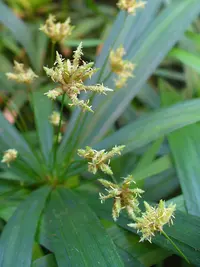
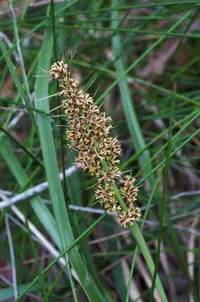
Spiny-headed mat-rush (Lomandra longifolia) is a tough, grass-like perennial native to Australia. It forms dense clumps of narrow, arching leaves and small, fragrant flower spikes.

In gardens and landscapes it is used as a low-maintenance edging, mass planting, or erosion-control plant, staying attractive year-round in mild climates. It tolerates wind, coastal exposure, and brief dry periods, which makes it suitable for many urban and suburban sites.

It prefers well-drained soil, moderate moisture, and sun to light shade, and it adapts well to a range of garden conditions. These traits make it relatively simple to care for Spiny-headed Mat-rush in both residential and commercial plantings.

Main Plant Requirements

Care Difficulty

Easy Care

Light Preference

Partial Sun

Water Requirements

Moderate Water

Temperature Preference

Warm Climate

Hardiness Zone

8–11

Soil Texture

Sandy, Loamy, Clay

Soil pH

Slightly acidic (6.5–7.0), Neutral (7.0)

Soil Drainage

Well-drained

Fertilization

Minimal (feed rarely)

Get Personalized Care Plan

Scan your plant to receive care tips personalized for your specific plant

Available on iOS and Android

How to Care for the Spiny-headed Mat-rush

This hardy grass-like plant thrives in bright outdoor positions with some protection from extreme afternoon sun.

  • Provide 4–6 hours of direct morning sun or light afternoon sun, plus bright open sky for the rest of the day for compact growth.
  • Tolerates partial shade, including dappled light under trees, but very dense shade leads to weak, floppy leaves and reduced clump density in Spiny-headed Mat-rush.
  • In hot summers, avoid harsh west-facing exposure; leaf tips may scorch in intense, reflected heat, especially during drought, so use mulch or nearby plants for light filtering.

This species prefers moist but not saturated soil and copes well with short dry spells once established.

  • Allow the top 3–5 cm of soil to dry between deep waterings; roots benefit from thorough soaking rather than frequent light sprinkling.
  • In the first growing season, water whenever leaves lose gloss or start to fold slightly; in following years, focus watering on extended dry periods or heatwaves.
  • Use free-draining soil to prevent root rot; signs of overwatering include yellowing and soft bases, while crisp brown tips and folding leaves suggest drought stress for Lomandra longifolia.

This tough perennial tolerates a wide temperature range but grows best in mild, temperate conditions.

  • Optimal growth occurs around 60–80°F (16–27°C), with steady leaf production and dense clumps in these temperatures.
  • Mature plants usually survive down to about 15–20°F (-9 to -6°C); hard frosts may burn foliage, which can be trimmed back in late winter to encourage fresh growth.
  • Handles summer heat up to about 95–100°F (35–38°C) if soil moisture is maintained; prolonged extreme heat with dry soil can cause tip burn and slowed growth.

This species tolerates a wide humidity range and rarely needs special humidity management indoors or outdoors.

  • Prefers 30–60% humidity but grows reliably in drier air once established.
  • Handles short dry spells well; prolonged very dry indoor air may cause browning tips on older leaves.
  • If air feels extremely dry, group plants together or place near a tray of water to slightly raise local humidity.

This plant thrives in free-draining, moderately fertile soil with enough structure to hold moisture without staying wet.

  • Use a sandy or loamy base with added compost to supply organic matter and moderate water retention.
  • Ensure rapid drainage by blending 20–30% coarse sand or fine gravel, especially in heavy native soils.
  • Aim for slightly acidic to neutral pH around 6.0–7.0, which supports balanced nutrient availability for Lomandra longifolia.
  • Avoid compacted clay or sites where water sits after rain; improve aeration by incorporating coarse particles through the whole root zone.

This species grows well in containers when given sufficient root space and strong drainage.

  • Choose a broad, heavy pot to stabilize the arching foliage and prevent wind tipping on exposed patios or balconies.
  • Select a container at least 30 cm deep so the fibrous root system can anchor and support dense top growth.
  • Use a fast-draining mix and elevate the pot slightly on feet so drainage holes do not sit flush against hard surfaces.

Lomandra longifolia is a low-nutrient native that benefits from light feeding in poor or heavily drained soils, especially in containers.

  • Use a slow-release, low-phosphorus, balanced NPK fertilizer or well-rotted compost at the start of spring for caring for Spiny-headed Mat-rush.
  • Feed once in spring and, if growth is weak, once again in midsummer for container or very sandy plantings.
  • Apply at 1⁄2 strength of label rate to avoid soft, floppy growth and salt build-up in the root zone.
  • Stop feeding in fall and winter, when growth slows, to prevent tender, frost-susceptible new leaves.

Lomandra longifolia responds well to periodic pruning to keep clumps tidy and long-lived.

  • Best time for shaping is late winter to early spring before strong new growth starts.
  • Use clean, sharp shears to remove dead, yellowed, or storm-damaged leaves at the base of the plant.
  • Lightly thin crowded or crossing fans to improve air flow and maintain a neat, rounded form.
  • Every few years, shear older clumps back by about one-third above the crown to refresh foliage and stimulate dense new growth.

This species is usually grown in the ground, so transplanting Lomandra longifolia is more common than container repotting.

  • Look for roots circling the pot, water running straight through, or slowed growth as signs it has outgrown its container.
  • Plan transplanting or repotting for cooler months in spring or early fall, avoiding extreme heat or frost periods.
  • Move or up-pot every 3–4 years, choosing a slightly larger container or garden spot with similar light and soil drainage.
  • Water deeply before and after moving, handle the root ball gently, and keep soil evenly moist for 2–3 weeks to reduce root stress.

New Lomandra longifolia plants are most reliably produced by division of mature clumps, with seed used mainly for larger-scale planting.

  • Divide established plants in early spring or early fall, when temperatures are mild and soil is workable.
  • Lift the clump, then split into sections with several healthy leaf fans and a firm root portion each.
  • Replant divisions at the same depth in well-drained soil, water thoroughly, and maintain consistent moisture until established.
  • For seed, sow fresh seed in a free-draining mix, keep just moist, and provide bright, indirect light for germination.

Lomandra longifolia is generally hardy in mild to moderate winters but may need help in colder regions or exposed sites.

  • In areas with repeated hard frosts below about 20°F, apply 5–8 cm of mulch around the root zone, keeping it off the crown.
  • Leave evergreen foliage standing over winter to shield the crown; remove only severely burned leaves in late winter.
  • For container plants in cold climates, move pots to a sheltered porch, unheated garage, or near a bright, cool window indoors.

Care Tips

Divide Mature Clumps

Every 4–6 years, lift and divide congested clumps in late winter, replanting vigorous outer sections at the same depth to refresh growth and maintain strong, even foliage.

Edge Plantings Cleanly

When plants start to sprawl into paths or lawns, use a sharp spade or edging tool to trim the clump outline, removing only the outer 5–10 cm to keep a neat, low-maintenance border.

Protect From Heavy Snow

In regions with occasional heavy, wet snow, loosely tie foliage into a bundle or support it with low hoops before storms to prevent the arching leaves from splaying and splitting at the base.

Encourage Basal Renewal

If the center of the clump becomes woody or thin, selectively remove the oldest, toughest fans at the base to stimulate new shoots and keep the plant dense and attractive.

Use Mulch Strategically

Apply a 3–5 cm layer of coarse organic mulch around but not touching the crown to suppress weeds and stabilize soil temperature, which is especially helpful when growing Spiny-headed Mat-rush in exposed sites.

Common Pests and Diseases

Scale insects

This pest feeds on sap along the leaf bases and stems, often appearing as small brown or grey bumps. Symptoms include yellowing foliage, sticky honeydew, and sooty mold on older clumps or stressed plants.

Solution

Prune out heavily infested leaves, then wipe or gently scrub remaining scale with a soft brush and mild soapy water, rinsing well. For persistent infestations, use a horticultural oil spray labeled for ornamental grasses, applied in the cool part of the day and repeated as directed while also improving plant vigor with correct watering and light fertilization.

Mealybugs

These insects shelter in the dense leaf bases and crown, appearing as white cottony clusters. Symptoms include distorted new growth, leaf yellowing, and occasional black sooty mold from honeydew deposits.

Solution

Separate leaves to expose colonies, then dab visible mealybugs with cotton swabs dipped in isopropyl alcohol or spray with a ready-to-use insecticidal soap, ensuring good coverage into the crown. Repeat treatments weekly until no new insects appear and remove the most affected leaves to reduce hiding places and improve airflow.

Fusarium crown rot

This disease affects the crown and basal stems, especially in poorly drained or overwatered sites. Symptoms include brown, rotting crowns, foliage collapse from the base, and plants that pull away easily from the soil.

Solution

Remove and discard (do not compost) affected plants and surrounding debris, then improve drainage by loosening soil and avoiding waterlogged conditions. Replant only into well-drained soil or raised beds, spacing plants to allow airflow, and avoid overhead watering that keeps the crown wet for long periods when following Lomandra longifolia care guidelines.

Leaf spot

This disease causes tan, brown, or dark purple spots and streaks along the strap-like leaves, often starting on older foliage. Symptoms include patchy discoloration, tip dieback, and a gradual loss of ornamental appearance rather than sudden collapse.

Solution

Cut and discard affected leaves to reduce inoculum, and clear plant debris from around the clump to minimize reinfection. Improve airflow by thinning crowded plants and water at soil level in the morning; if needed, use a fungicide labeled for leaf spots on ornamental grasses, following label directions strictly.

Interesting Facts

Australian sand stabilizer

This species naturally colonizes sandy coastal soils in eastern Australia, where its dense, fibrous root system helps bind loose sand and reduce erosion on dunes and exposed banks.

Edible leaf bases

Indigenous Australians traditionally ate the tender, white leaf bases of this plant raw or lightly cooked, and also chewed them as a mild, water-rich bush food.

Flood and drought tolerant

The plant’s tough, strap-like leaves and resilient root system allow it to survive both short-term flooding and extended dry spells, which is why it is widely used in roadside and urban planting schemes.

Botan icon

Did you know?

Long, fibrous leaves and leaf bases of this species were traditionally used by Aboriginal communities as durable material for weaving baskets, mats, and other everyday items, making it both a food and fibre resource in Australian Indigenous cultures.

FAQs about Spiny-headed Mat-rush

This species can survive indoors in bright, airy spaces but usually looks better outdoors. Indoors it tends to grow flatter and less dense. Adequate light, free-draining potting mix, and good air circulation are essential for Spiny-headed Mat-rush indoor care.

Grow Healthy Plants with Botan Care

Keep your plants happy and healthy with plant identification, disease detection, and easy care guidance.

Botan plant care app — identify plants on mobile

Explore More Plants