Arctic root Care (Rhodiola rosea)

Also known as: Roseroot, Arctic root
Arctic root

About Arctic root

Arctic root, Rhodiola rosea, is a hardy, slow-growing perennial herb from cold, mountainous regions of Europe, Asia, and North America. It naturally grows in rocky, well-drained, often coastal or alpine habitats.

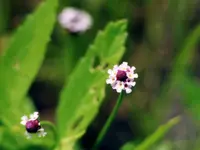
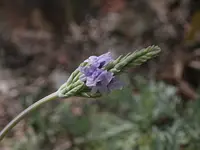
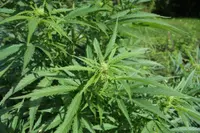
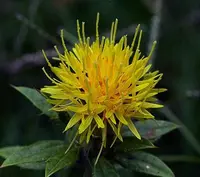
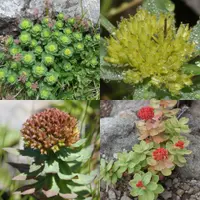
The plant forms low clumps with thick, fleshy stems, blue‑green leaves, and yellowish flowers that appear in dense clusters. Its succulent roots store water and nutrients, which helps it tolerate cold, wind, and short growing seasons.

These adaptations make it relatively tough but somewhat particular in cultivation. It dislikes heat, humidity, and heavy, wet soils, so care for Arctic root focuses on cool conditions, strong light, and sharp drainage.

Main Plant Requirements

Care Difficulty

Moderate Care

Light Preference

Full Sun

Water Requirements

Moderate Water

Temperature Preference

Cold Hardy

Hardiness Zone

3–7

Soil Texture

Sandy, Loamy, Rocky

Soil pH

Acidic (5.5–6.5), Slightly acidic (6.5–7.0)

Soil Drainage

Well-drained

Fertilization

Minimal (feed rarely)

Get Personalized Care Plan

Scan your plant to receive care tips personalized for your specific plant

Available on iOS and Android

How to Care for the Arctic root

Rhodiola rosea is a hardy, sun-loving alpine plant that still tolerates some shade.

  • Provide 6–8 hours of direct sun daily; full sun is ideal in cool or windy sites, while hot inland areas benefit from light afternoon shade.
  • Morning sun with light, filtered light after 2–3 p.m. helps Arctic root avoid leaf scorch in regions with strong summer sun.
  • In winter, reduced light is acceptable, but in spring and summer avoid deep shade, which causes weak, stretched stems and loose clumps.

This species prefers dry to moderately moist conditions and is sensitive to standing water.

  • Allow the top 3–5 cm of soil to dry before watering; in many climates this means deep watering only after several rain-free days.
  • Use very well-drained, gritty soil so excess water runs off quickly; consistently wet or clay soil leads to root rot and yellowing foliage in Rhodiola rosea.
  • In cool seasons or during dormancy, reduce watering sharply; somewhat wrinkled, limp leaves suggest thirst, while soft, blackened stems indicate overwatering.

This cold-hardy plant thrives in cool to moderate climates and tolerates substantial frost.

  • Active growth is strongest at 50–70°F (10–21°C); sustained temperatures above 80°F (27°C) can slow growth and cause stress if soil stays wet.
  • Mature plants tolerate winter lows to about -20°F (-29°C) with good drainage; snow cover often improves survival in exposed sites.
  • In hotter regions, use afternoon shade and mulching to keep roots cooler, and avoid planting against heat-reflecting walls that can exceed 90°F (32°C).

Rhodiola rosea handles low humidity well and rarely needs special moisture control indoors.

  • Target 30–50% relative humidity, similar to most heated or air-conditioned homes.
  • Dry air is usually tolerated, but very hot, forced air can crisp leaf edges and slow growth.
  • If air is extremely dry, place Arctic root near a pebble tray with water, without letting the pot sit in it.

Rhodiola rosea prefers lean, mineral, sharply drained soil that mimics rocky alpine slopes.

  • Use a sandy or gritty loam with 30–50% coarse sand or grit and minimal organic matter to prevent waterlogging.
  • Aim for slightly acidic to neutral pH around 6.0–7.0, avoiding strongly acidic or alkaline mixes that limit nutrient uptake.
  • For containers, mix equal parts standard potting mix, coarse sand, and fine gravel or perlite to maximize aeration and drainage.
  • Avoid heavy clay, peat-heavy, or compacted substrates that stay wet for more than 1 day after thorough watering.

This species can be grown in containers if the pot is deep, heavy, and drains very quickly.

  • Choose a container at least 25–30 cm deep so the thick, fleshy roots can develop without bending or crowding.
  • Use a heavy clay or ceramic pot outdoors to keep the plant stable against wind and its top growth weight.
  • Raise the pot on feet or bricks so drainage holes stay clear and excess water escapes quickly after rain or watering.

Rhodiola rosea is adapted to lean, rocky soils and only needs light, careful feeding in cultivation.

  • Use a balanced, dilute liquid fertilizer (around 10-10-10) at 1/4 strength or a small amount of slow-release granules in spring.
  • Feed once every 4–6 weeks during active growth, stopping by late summer to avoid soft, frost-prone growth.
  • Incorporate a thin layer of well-rotted compost into the topsoil annually for gentle nutrient renewal.
  • During winter dormancy, do not fertilize Arctic root; excess nutrients at this time can stress the roots.

Rhodiola rosea needs minimal pruning, mainly to keep clumps tidy and healthy.

  • Best time for pruning is late fall or very early spring, after foliage has died back.
  • Remove dead, damaged, or diseased stems at the base using clean, sharp scissors or hand pruners.
  • Thin out crowded shoots in older clumps to improve airflow and reduce fungal problems.
  • Light shaping of the clump can maintain a compact form without affecting flowering performance.

This species is more often grown in the ground, but container plants or young clumps sometimes need transplanting.

  • Plan repotting or transplanting in early spring or early fall, when temperatures are mild and growth is slower.
  • Look for roots circling the pot, water running straight through, or unexplained slow growth as cues to move the plant.
  • Repot or transplant every 3–4 years into a slightly larger container or well-drained, gritty garden soil.
  • Handle the brittle roots gently, keep the crown at the same depth, water lightly, and shade from strong sun for a week to reduce stress.

Rhodiola rosea is usually propagated by division or seed under cool, well-drained conditions.

  • Divide mature clumps in early spring, separating pieces with several buds and healthy roots, then replant immediately.
  • Sow seeds in late fall or winter outdoors so they experience natural cold stratification for improved germination.
  • Use a gritty, free-draining medium and keep it just lightly moist, never waterlogged, to prevent root and stem rot.
  • Place cut divisions or seed trays in bright, cool conditions; avoid high heat, which can inhibit establishment.

This is a cold-hardy perennial that usually overwinters outdoors in most temperate climates with minimal attention.

  • Established plants tolerate deep frost once dormant, especially in well-drained, rocky soil.
  • Apply a thin mulch layer (gravel, bark, or leaf mold) over the root zone in late fall, avoiding direct contact with the crown.
  • For container plants, move pots into a sheltered, unheated area to limit freeze-thaw cycles that can damage roots.

Care Tips

Cold stratify seed

Store cleaned seeds in moist sterile sand inside a ventilated plastic bag in the fridge at 35–40°F for 4–6 weeks to break dormancy and improve germination rates.

Prioritize strong crowns

In the first 2–3 years remove only a few weak side shoots instead of harvesting roots, so the crown can bulk up and support higher yields later.

Staggered root harvest

When lifting plants for root harvest, cut and replant healthy crown sections with at least 2–3 buds in fresh, well-prepared soil to maintain a renewing patch rather than clearing the whole bed.

Mulch for freeze–thaw

Apply a loose 5–7 cm layer of straw or shredded bark around, but not on top of, crowns in late fall to reduce freeze–thaw heaving and protect shallow roots.

Document plant provenance

Label beds with seed or division source, sowing date, and harvest year, since tracking origin and age helps refine Arctic root care instructions and select the most vigorous lines over time.

Common Pests and Diseases

Fusarium wilt

This disease causes yellowing, stunting, and progressive wilting of shoots, often starting on one side of the plant or bed. Symptoms include brown streaking in the stem base and crown tissue when cut open.

Solution

Remove and destroy affected plants including roots, and avoid replanting Rhodiola rosea in the same spot for several years. Improve drainage, avoid overwatering, and use clean tools and propagation material; in field situations, rotating with non-host crops and keeping beds well-drained helps reduce Fusarium pressure as part of Rhodiola rosea care.

Botrytis crown rot

This disease leads to soft, brown, water-soaked crowns and stems, often with gray, fuzzy mold in cool, damp conditions. Symptoms include collapse of new shoots and a rotting crown at soil level.

Solution

Cut out and discard all infected tissue along with nearby plant debris, and increase airflow around plants by proper spacing and weed control. Water early in the day at soil level, avoid wetting foliage, and if the problem persists in outdoor beds, use raised, well-drained sites and reduce organic debris buildup on the soil surface.

Alternaria leaf spot

This disease produces small brown spots with darker margins on leaves that can merge into larger lesions under wet conditions. Symptoms include premature yellowing and shedding of foliage on stressed plants.

Solution

Remove and discard affected leaves and plant debris to lower the source of spores. Improve air circulation, avoid overhead watering, and keep foliage as dry as possible; in production beds, practice crop rotation and start with clean planting stock to limit reinfection.

Aphids

These insects feed on young stems and undersides of leaves, causing curling, distortion, and sticky honeydew that can attract sooty mold. This pest tends to build up on lush, fertilized growth and sheltered plants.

Solution

Wash colonies off with a firm stream of water and pinch off heavily infested shoot tips. Encourage or introduce natural enemies like lady beetles, avoid excess nitrogen fertilizer, and if needed use insecticidal soap or horticultural oil applied thoroughly to stems and leaf undersides.

Cutworms

These pests are soil-dwelling caterpillars that chew through young Rhodiola stems at or just below the soil surface, causing sudden wilting or complete loss of new shoots. Symptoms include severed stems lying next to the plant, often damaged at night.

Solution

Hand-pick cutworms in the evening by gently scraping the top soil around damaged plants, and destroy them. Use soil collars or small guards around young crowns in outdoor beds, keep the area free of dense weeds and plant debris, and avoid leaving thick mulch directly against emerging shoots during early growth.

Interesting Facts

Arctic coastline specialist

This species naturally occurs along cold, rocky coasts and mountain slopes in northern Europe, Asia, and parts of North America, often close to the Arctic Circle. It survives repeated freezing and short growing seasons that would kill many other herbaceous plants.

Natural antifreeze chemistry

Its roots and shoots accumulate compounds such as rosavin and salidroside, along with sugars and polyphenols, which help stabilize cell membranes under cold and drought stress. These metabolites contribute to the plant’s ability to maintain living tissues despite frequent freeze–thaw cycles.

Dioecious flower strategy

Individual plants are typically either male or female, meaning flowers on one plant produce only pollen or only ovules. This dioecious system promotes cross‑pollination and maintains genetic diversity in small, scattered populations.

Botan icon

Did you know?

Wild populations have declined in several parts of its native range due to historical overharvesting of the roots, which can kill the whole plant, leading to legal protection or regulated collection in some European countries.

FAQs about Arctic root

Yes, it grows well in deep containers that allow for its thick, fleshy roots. Use a gritty, free-draining mix and ensure excellent drainage holes. Container culture is often preferred for controlled Rhodiola rosea care in warmer climates.

Grow Healthy Plants with Botan Care

Keep your plants happy and healthy with plant identification, disease detection, and easy care guidance.

Botan plant care app — identify plants on mobile

Explore More Plants