

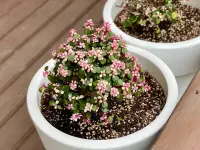
Arctic root (Rhodiola rosea) Light Needs

Arctic root grows best in full sun, with several hours of direct light and open, bright exposure.

Light Preference

Full Sun

Rhodiola rosea Light Requirements

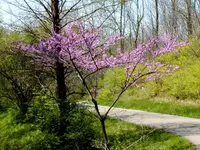
Rhodiola rosea is native to cold northern and high-elevation habitats, where it grows in open, rocky ground, coastal cliffs, and alpine slopes. These sites usually have little overhead shade and bright seasonal sun, but temperatures stay cool compared with hot lowland gardens.

It can handle partial sun in cultivation, especially where afternoons are hot, but shade weakens its compact growth. Preferred light is full sun.

  • Ideal exposure:

    Arctic root needs about 6–8 hours of full sun daily, including 4–6 hours of direct sun.

  • Direct sun:

    Established plants tolerate strong direct light, especially in cool climates and open alpine-style beds.

  • Partial sun:

    About 4–5 hours of sun can work, but growth may be looser and flowering lighter.

  • Harsh heat:

    In very hot regions, protect from the strongest late-afternoon sun to reduce heat stress.

  • Shade limits:

    Bright shade is not suitable for long-term growth and usually produces weak, stretched stems.

Strong sun is usually tolerated, but sudden exposure can cause stress.

Bleached patches:

Pale tan or whitish marks may appear on the sun-facing side of fleshy leaves after a rapid move into direct sun.

Corky scars:

Damaged areas may dry into firm, rough patches instead of greening back up.

Red stress color:

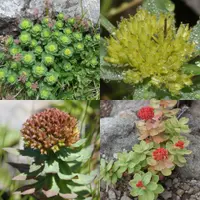
Rhodiola rosea may show stronger red tones in intense light, especially with heat, but color alone is not a problem.

Heat-flattened growth:

Leaves may look dull or compressed during very hot, reflective afternoon exposure.

Move the plant into gentler morning sun or light afternoon shade. Increase direct exposure gradually over 7–10 days if it was grown in dimmer conditions.

Low light usually shows in new growth before older stems change. These signs are most useful during spring and summer, when growth should be active.

  • Stretched stems:

    New shoots may lengthen and lean as they search for brighter exposure.

  • Wider spacing:

    Leaves can form farther apart, making the plant look loose instead of compact.

  • Reduced flowering:

    Rhodiola rosea may flower poorly when it receives too few hours of direct sun.

  • Small new leaves:

    Fresh growth may stay smaller and paler during the active growing season.

Move it to a brighter open position with several hours of direct sun. Make the change in stages if the current site is shaded.

When full sun is not available, choose the brightest open position and prioritize morning to midday sun. Avoid deep shade, because compact growth and flowering usually decline there.

Increase exposure in stages after purchase or after a shaded period. Rotate container-grown plants every 1–2 weeks so all sides receive direct light evenly.

Use light afternoon shade only in very hot sites where harsh reflected heat builds up.

Get Personalized Care Plan

Scan your plant to receive care tips personalized for your specific plant

FAQ

The best light for Arctic root is full sun, with about 6–8 hours of bright outdoor exposure per day. It can accept partial sun, but deep shade leads to weaker growth.

More Plant Light Guides

Get the Botan App

Discover how to care for your plants with Botan.

Botan app identifying a plant with a phone camera
How to Bottom Water Plants: Complete Guide

6 min read · 13 Jul 2026

How to Bottom Water Plants: Complete Guide

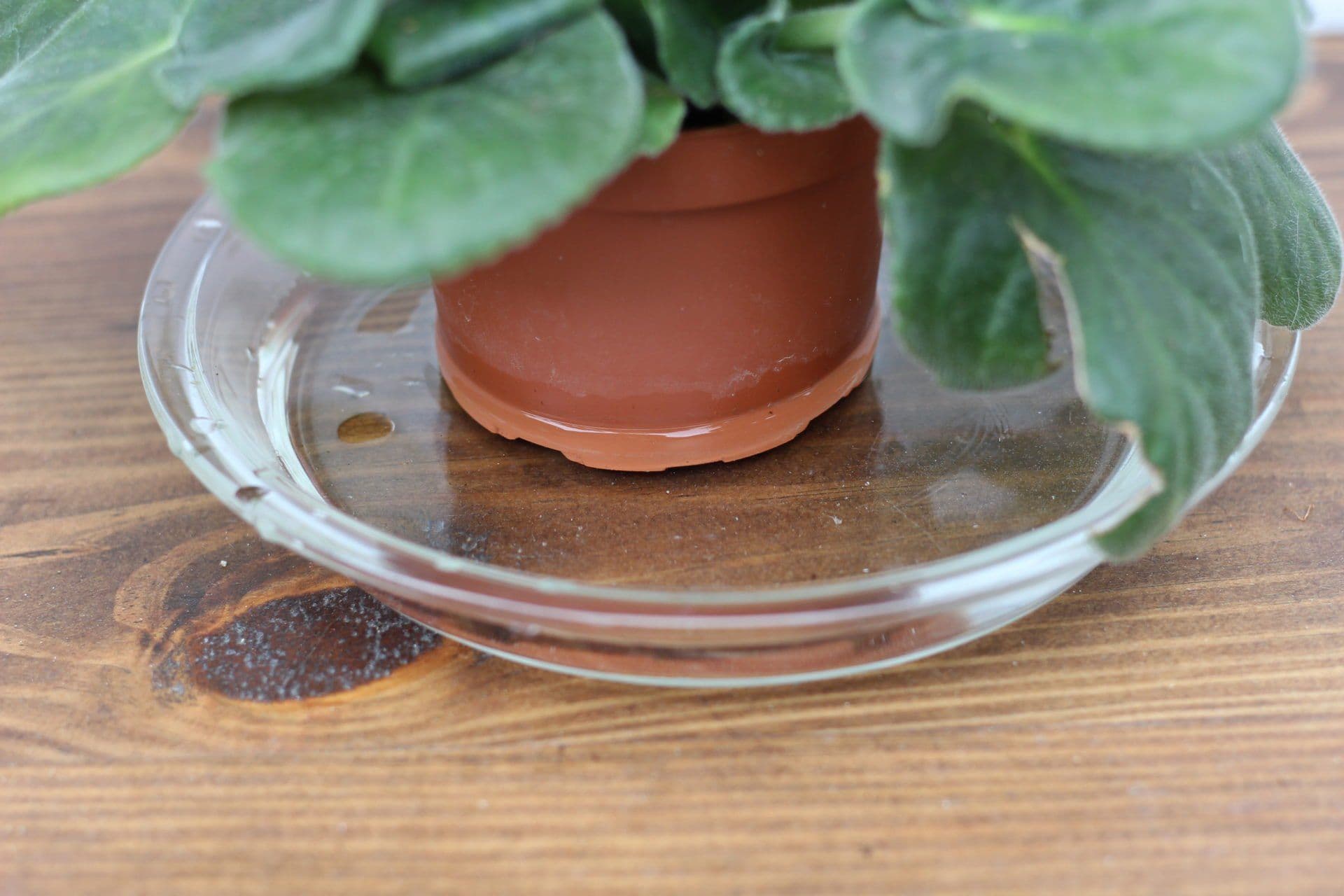
Bottom watering helps soil absorb moisture evenly and keeps foliage dry, reducing the risk of missed dry spots or root problems. Place the pot in a tray of water for a short time, then let it drain well.

Plant Care
How to Bottom Water Plants: Complete Guide
How to Winterize Your Garden in 6 Steps

5 min read · 28 Sept 2026

How to Winterize Your Garden in 6 Steps

Learn how to prepare your garden for winter with a practical six-step checklist covering cleanup, tender plant care, watering, mulching, winter protection, and winterizing equipment and containers.

Plant Care
How to Winterize Your Garden in 6 Steps
Plants That Repel Mosquitoes – 10 Effective Choices

8 min read · 6 Jul 2026

Plants That Repel Mosquitoes – 10 Effective Choices

Plants that repel mosquitoes can help mask human scent naturally and make outdoor spaces more comfortable. Explore the most effective options, their benefits and drawbacks, and choose the right plant for your space.

Plant Recommendations
Plants That Repel Mosquitoes – 10 Effective Choices