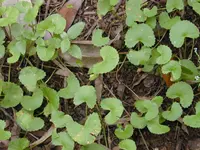



Pennywort (Centella asiatica) Light Needs

Pennywort grows best in bright filtered light or partial sun, with protection from harsh afternoon rays.

Light Preference

Partial Shade

Centella asiatica Light Requirements

Centella asiatica grows naturally in moist, open ground, stream edges, wet meadows, and other damp habitats where light can shift through the day. In many sites it receives morning or seasonal sun, then filtered light or partial shade from surrounding vegetation. Cultivated plants handle sun, part sun, and shade, but growth is usually most even in protected brightness. Preferred light is bright filtered light or partial sun.

  • Ideal exposure:

    Pennywort needs about 6–8 hours of bright filtered light or partial sun daily, including 2–4 hours of gentle direct morning sun.

  • Direct sun:

    Full sun is tolerated best in mild conditions or with gradual acclimation, not as sudden hot afternoon exposure.

  • Lower light:

    Shade is tolerated, but dense shade usually produces thinner, slower, less compact growth.

  • Afternoon risk:

    Bright afternoon sun through glass or during hot weather is the exposure most likely to scorch leaves.

Indoors, place Pennywort where it receives steady brightness and only gentle direct sun.

NConditional
North-facing window:

A north-facing window is usable only if it is very bright and unobstructed; otherwise growth may become stretched.

EBest
East-facing window:

An east-facing window is often the best indoor placement because it gives gentle morning sun and bright light later in the day.

SConditional
South-facing window:

A south-facing window can work if the plant is set 2–4 ft from the glass or protected by a sheer curtain.

WConditional
West-facing window:

A west-facing window is suitable only with filtering or some distance from the glass to reduce hot afternoon rays.

Choose the brightest position that avoids long periods of hot, direct afternoon sun.

Strong sun can stress the thin, low-growing leaves.

Bleached patches:

Pale tan or whitish areas may appear on leaves that suddenly receive direct midday or afternoon sun.

Crisp exposed leaves:

Outer leaves facing the brightest rays can become papery while shaded leaves remain greener.

Curled new leaves:

Small new leaves may curl or mark after a quick move from shade into full sun.

Stalled surface growth:

New runners may pause when bright sun is paired with high heat during the afternoon.

Move it back to filtered light or morning sun only for several days. Increase exposure gradually if a sunnier spot is still needed.

Weak light often shows as loose, stretched growth before leaves look damaged.

  • Long runners:

    In dim positions, the leaf stalks and creeping stems may lengthen with wider gaps between leaves.

  • Smaller new leaves:

    New leaves may emerge smaller and sit farther apart than older growth.

  • Leaning growth:

    Stems may lean or crawl toward the brightest side of the pot.

  • Slow active growth:

    During spring and summer, the plant may spread slowly even when temperatures are suitable.

Shift Centella asiatica to a brighter filtered position or add gentle morning sun. Avoid moving it straight into harsh afternoon exposure after a shaded period.

Choose the brightest filtered spot available if full ideal light is not possible, and prioritize gentle morning sun over hotter afternoon exposure.

Move the pot a short distance toward stronger light when stems stretch, then rotate it weekly to keep growth even.

Avoid a deep room corner because shade tolerance does not mean strong growth in very dim light.

Get Personalized Care Plan

Scan your plant to receive care tips personalized for your specific plant

FAQ

Pennywort light requirements are best met with bright filtered light or partial sun. A few hours of gentle morning sun supports compact growth, while harsh afternoon sun is less ideal.

More Plant Light Guides

Get the Botan App

Discover how to care for your plants with Botan.

Botan app identifying a plant with a phone camera
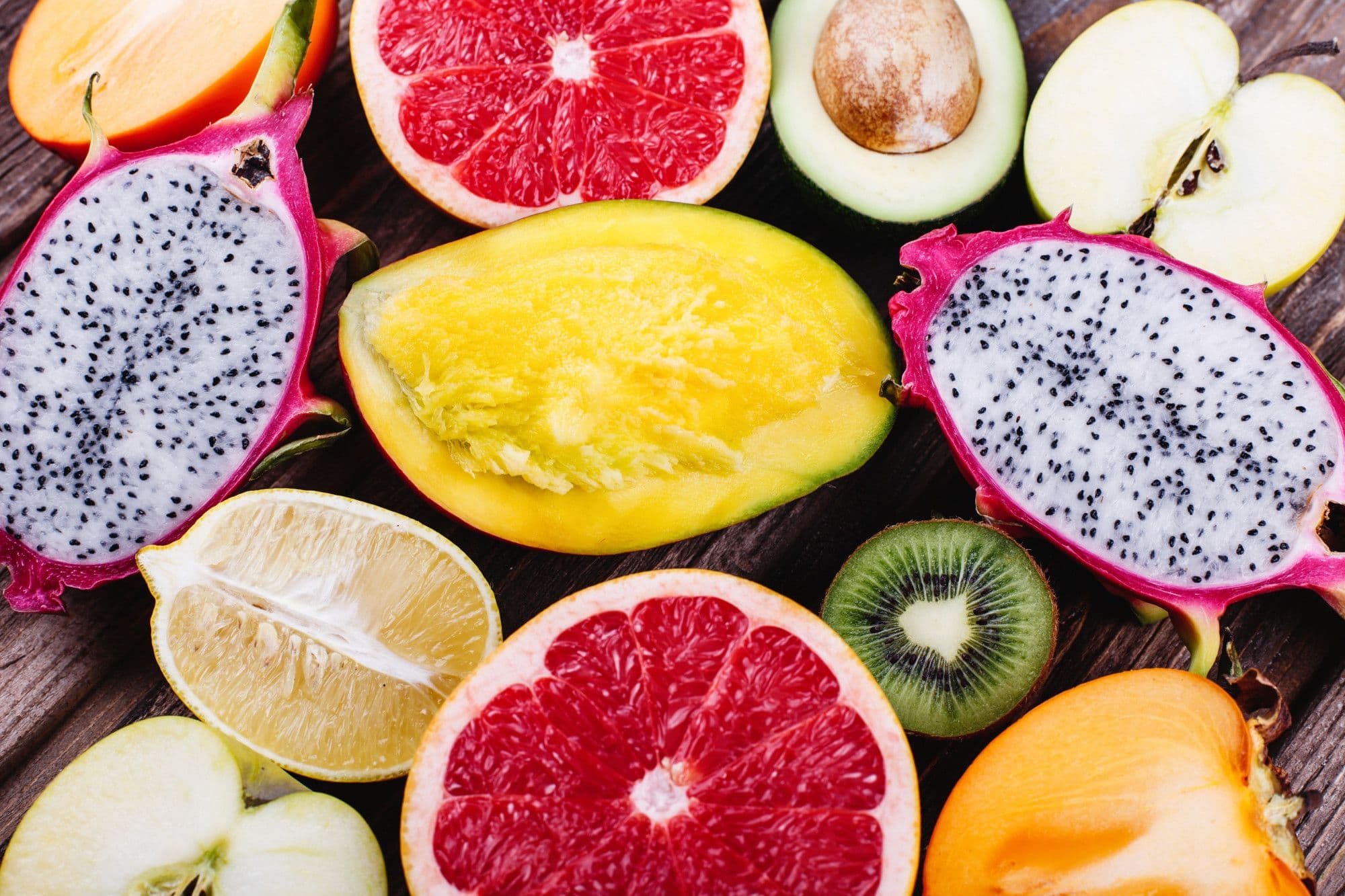
20 Most Popular Fruits Around the World

7 min read · 22 Jul 2026

20 Most Popular Fruits Around the World

Curious which fruits the world actually eats the most? Here's the top-20 by production volume, an overview of what people choose in each region, and a few figures that defy common assumptions.

Plant Recommendations
20 Most Popular Fruits Around the World
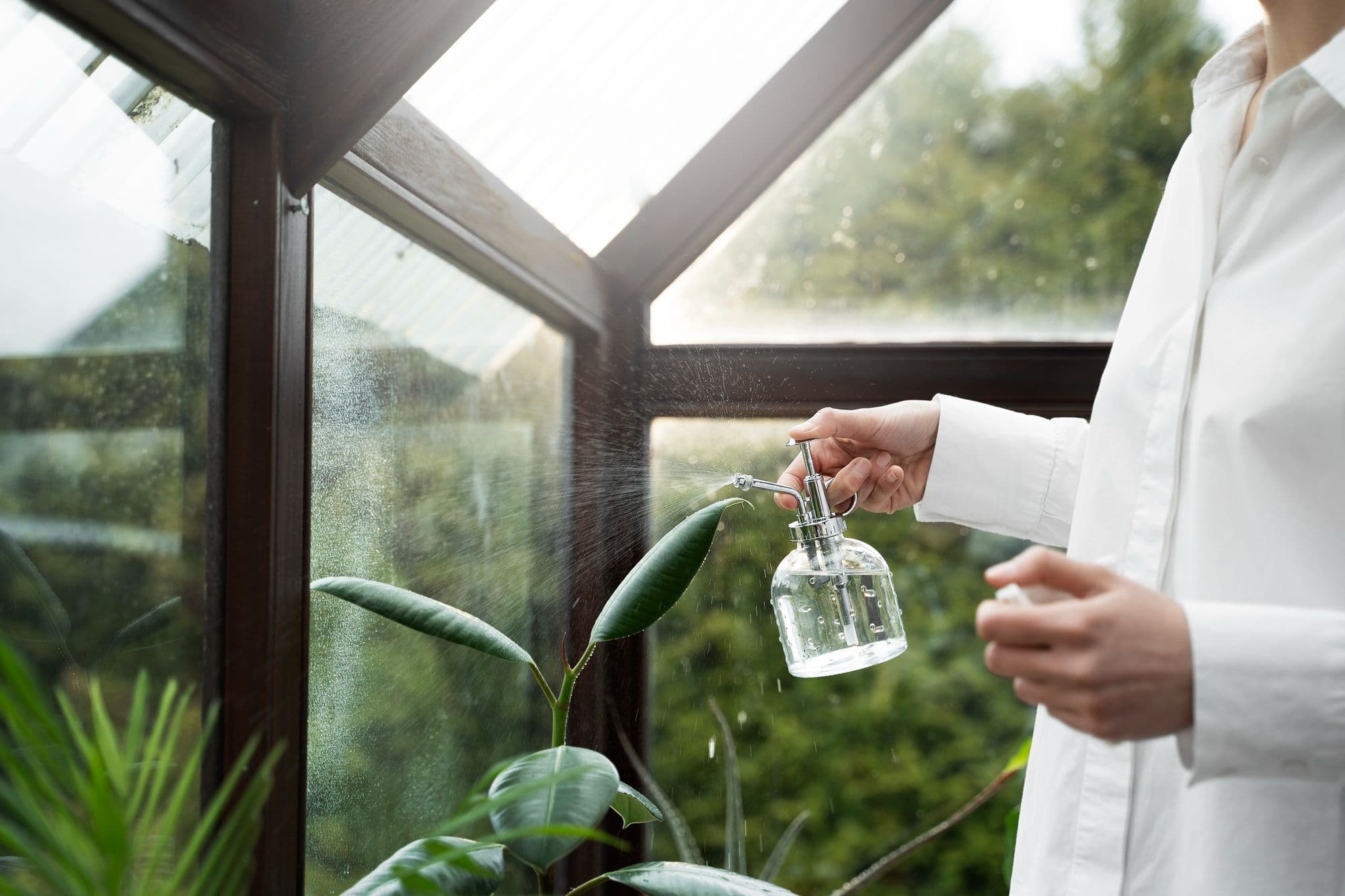
How to Increase Humidity for Plants – 8 Simple Ways That Work

8 min read · 14 Aug 2026

How to Increase Humidity for Plants – 8 Simple Ways That Work

Dry indoor air stresses a lot of houseplants. You usually notice it first in the browning leaf tips. This guide describes 8 simple ways to raise the moisture around your plants, from humidifiers to pebble trays.

Plant Care
How to Increase Humidity for Plants – 8 Simple Ways That Work
Frozen vs Fresh Vegetable Nutrients: Which Option Is Healthier?

6 min read · 8 Sept 2026

Frozen vs Fresh Vegetable Nutrients: Which Option Is Healthier?

Frozen and fresh vegetables are nutritionally comparable: frozen produce often retains vitamins just as well as fresh and may sometimes contain more. Here’s how blanching and storage affect nutrients—and when to choose each.

Plant Recommendations
Frozen vs Fresh Vegetable Nutrients: Which Option Is Healthier?