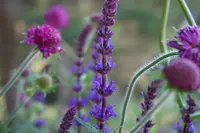


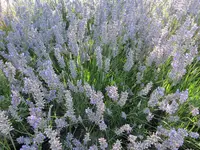
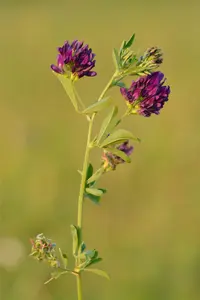
Sage (Salvia nemorosa 'Caradonna') Light Needs

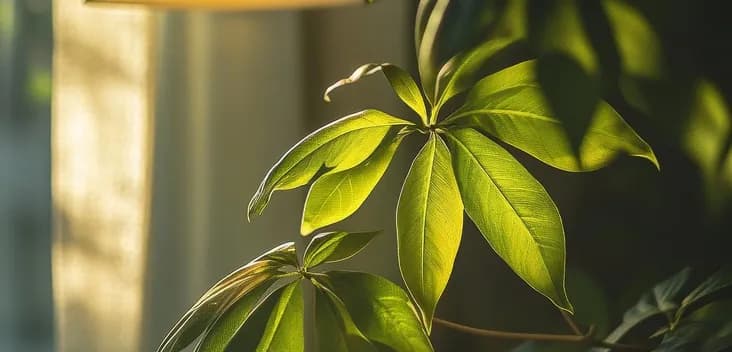
Sage grows best outdoors in full sun, with about 6–8 hours of direct light each day.

Light Preference

Full Sun

Salvia nemorosa 'Caradonna' Light Requirements

Salvia nemorosa grows naturally in open grasslands, meadow edges, and dry, well-drained slopes where taller cover is limited. These habitats give it long periods of direct sun, with some seasonal variation from surrounding vegetation and weather.

In cultivation, 'Caradonna' keeps its compact stems, strong flower spikes, and best bloom performance when light is similarly open. Preferred light is full sun.

  • Ideal exposure:

    Sage needs about 6–8 hours of full sun daily, with at least 6 hours of direct sun for strongest flowering.

  • Direct sun:

    Established plants tolerate all-day sun in most gardens, including afternoon sun, when heat is not extreme.

  • Part sun:

    It can grow with 4–6 hours of sun, but flowering may be lighter and stems may stretch.

  • Shade risk:

    Shade or bright shade is not suitable because growth weakens and flower production drops.

Strong sun is usually tolerated, but stress can appear after sudden exposure or reflected heat.

Bleached leaf patches:

Pale tan areas may form on the sun-facing side of leaves after a rapid move into harsher light.

Crisp upper leaves:

Thin, dry patches on the most exposed leaves can follow intense afternoon sun during hot spells.

Fast flower fading:

Flower spikes may lose color sooner when high heat and full afternoon sun combine.

Midday flagging:

Stems may droop in the hottest hours but look firmer again by evening.

Shift the plant away from reflective pavement or give light afternoon shade during heat waves. Acclimate Salvia nemorosa 'Caradonna' over 7–10 days before full exposure.

Low light weakens growth and usually shows first in stem shape and flowering.

  • Stretched stems:

    New shoots may become longer than normal, with wider spacing between leaf pairs.

  • Leaning growth:

    Stems can angle toward the brightest side instead of staying upright.

  • Fewer flowers:

    Bud production may be sparse, and flower spikes may be shorter or less colorful.

  • Loose habit:

    The clump may look open and floppy rather than dense and upright.

Move Salvia nemorosa 'Caradonna' to a site with at least 6 hours of sun if possible. Increase exposure gradually if the new location is much brighter.

If full sun is not available, choose the brightest site with 4–6 hours of direct sun and prioritize morning plus early afternoon exposure.

Cut back nearby shading growth or move containers away from fences and dense plantings to open the light around the crown.

Avoid deep shade under overhangs or dense canopies because the plant will flower poorly and stretch.

Get Personalized Care Plan

Scan your plant to receive care tips personalized for your specific plant

FAQ

For Sage light requirements, aim for about 6–8 hours of sun per day. At least 6 hours of direct sun supports the strongest flowering and most compact growth.

Everything About Sage

More Plant Light Guides

Get the Botan App

Discover how to care for your plants with Botan.

Botan app identifying a plant with a phone camera
How to Increase Humidity for Plants – 8 Simple Ways That Work

8 min read · 14 Aug 2026

How to Increase Humidity for Plants – 8 Simple Ways That Work

Dry indoor air stresses a lot of houseplants. You usually notice it first in the browning leaf tips. This guide describes 8 simple ways to raise the moisture around your plants, from humidifiers to pebble trays.

Plant Care
How to Increase Humidity for Plants – 8 Simple Ways That Work
How Fast Does Bamboo Grow Per Day, Month, and Year

10 min read · 7 Jul 2026

How Fast Does Bamboo Grow Per Day, Month, and Year

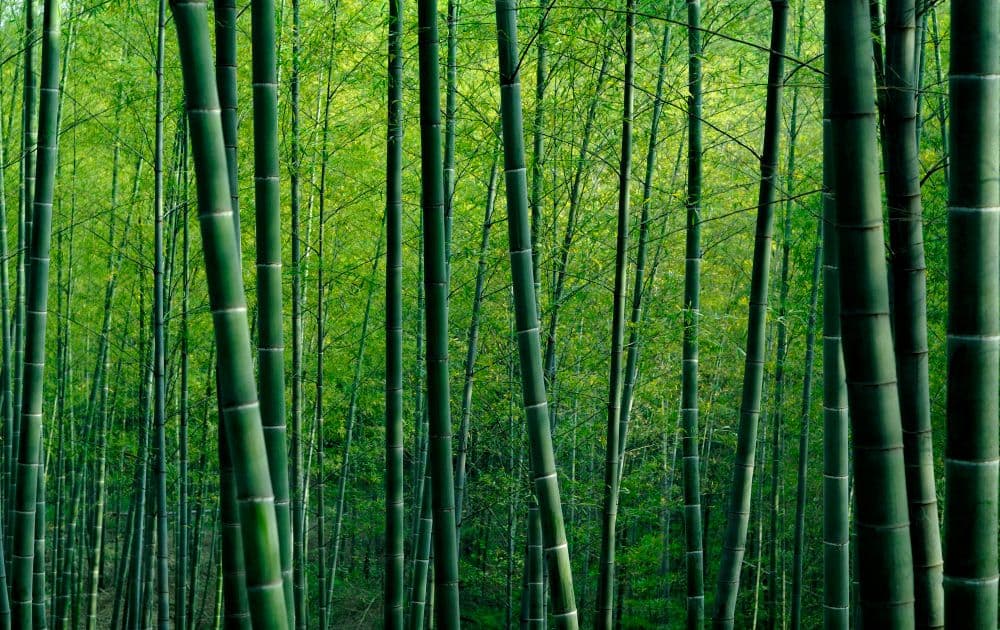
Bamboo grows extremely fast: some species can reach 5-6 m in just 3-4 months under the right conditions. This guide explains how much bamboo can grow per day, week, and year, and what affects its growth rate.

Plant Recommendations
How Fast Does Bamboo Grow Per Day, Month, and Year
How to Use a Moisture Meter for Plants

5 min read · 4 Sept 2026

How to Use a Moisture Meter for Plants

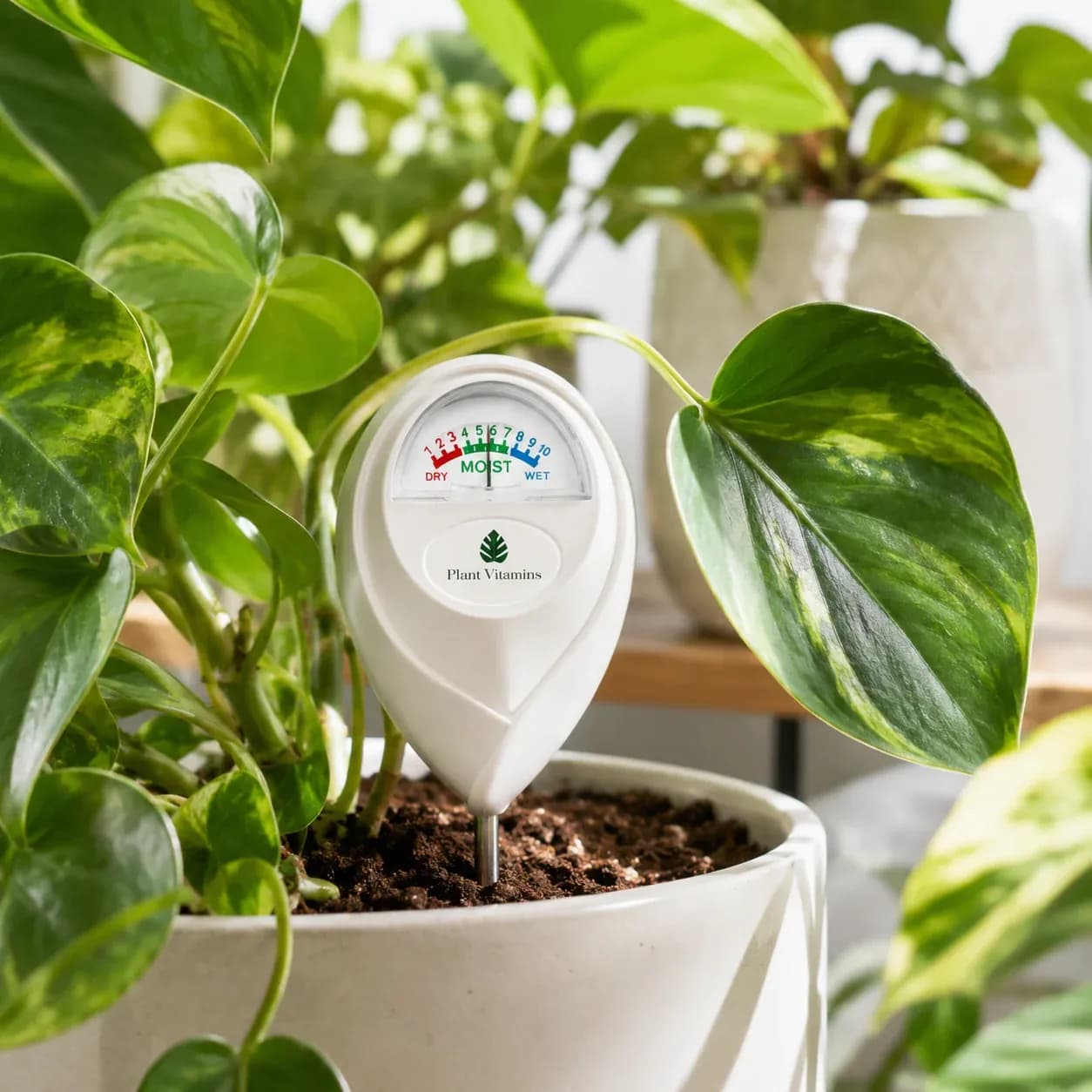
Watering by feel kills plenty of houseplants. A moisture meter checks the soil for you, and takes the guesswork out of it. This guide will show you how to use it correctly, from the first touch to the final reading.

Beginner Guides
How to Use a Moisture Meter for Plants