


nosegaytree (Plumeria alba) Light Needs

frangipani grows best in full sun, with several hours of direct sunlight during the active growing season.

Light Preference

Full Sun

Plumeria alba Light Requirements

Plumeria alba is native to warm Caribbean habitats, where it grows in open, sunny sites with strong seasonal light and dry periods. In cultivation, that background explains its need for long, bright exposure and its ability to handle direct sun when temperatures are warm. Young or recently moved plants still benefit from gradual exposure. Its preferred light is full sun.

  • Ideal exposure:

    frangipani needs about 6–8 hours of full sun daily, including at least 6 hours of direct sun for strong growth and flowering.

  • Full sun tolerance:

    Established plants tolerate all-day sun in warm conditions when they have been acclimated outdoors.

  • Partial sun limit:

    Part sun is tolerated, but less than 4–5 hours of direct sun often reduces flowering.

  • Afternoon intensity:

    Hot afternoon sun is usually acceptable after acclimation, but sudden exposure can scorch tender leaves.

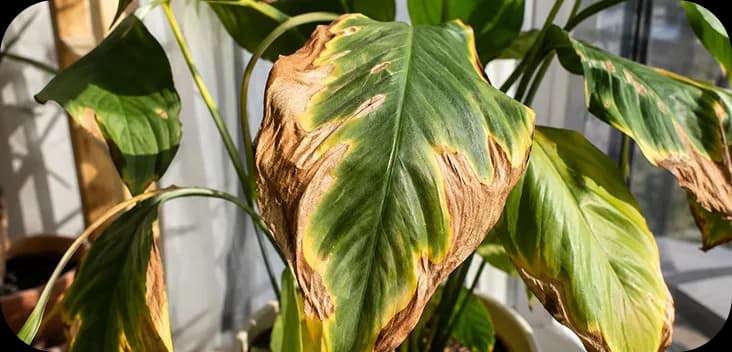
Sun damage is most likely after a sudden move into harsh direct sun.

Pale patches:

Leaves may develop bleached or tan areas on the side facing the strongest afternoon sun.

Crisp spots:

Burned areas can turn dry and papery rather than evenly fading with age.

Marked tips:

Tender new leaves may show scorched tips when heat and direct sun increase together.

Hot-side stress:

One side of the canopy may look dull or blotched while shaded leaves remain normal.

Move the plant to bright, slightly sheltered light, then reintroduce full sun over 1–2 weeks. Give afternoon protection until new growth stays firm and evenly colored.

Low light usually shows as weak growth before severe decline.

  • Long spacing:

    New shoots may stretch, with wider gaps between leaves than growth made in stronger light.

  • Leaning growth:

    Stems may angle toward the brightest side instead of staying balanced.

  • Few flowers:

    Buds may be sparse or absent during the warm growing season.

  • Small leaves:

    New leaves may stay smaller and softer than normal active-season growth.

Move it to a sunnier outdoor position or the brightest protected spot available. Increase exposure gradually if it has been shaded for several weeks.

If full-day sun is not available, choose the brightest outdoor position with 4–6 hours of direct sun, preferably before late afternoon.

Rotate container-grown plants every 1–2 weeks so each side receives strong light and the crown stays more even.

Avoid long-term placement under deep overhangs or dense shade, because reduced direct sun usually limits flowering and creates weak growth.

Get Personalized Care Plan

Scan your plant to receive care tips personalized for your specific plant

FAQ

For frangipani light requirements, full sun is best. Aim for long, bright exposure with about 6–8 hours of sun, especially during warm active growth.

Everything About nosegaytree

More Plant Light Guides

Get the Botan App

Discover how to care for your plants with Botan.

Botan app identifying a plant with a phone camera
How to Increase Humidity for Plants – 8 Simple Ways That Work

8 min read · 14 Aug 2026

How to Increase Humidity for Plants – 8 Simple Ways That Work

Dry indoor air stresses a lot of houseplants. You usually notice it first in the browning leaf tips. This guide describes 8 simple ways to raise the moisture around your plants, from humidifiers to pebble trays.

Plant Care
How to Increase Humidity for Plants – 8 Simple Ways That Work
10 Easy Garden Flowers to Grow

8 min read · 10 Sept 2026

10 Easy Garden Flowers to Grow

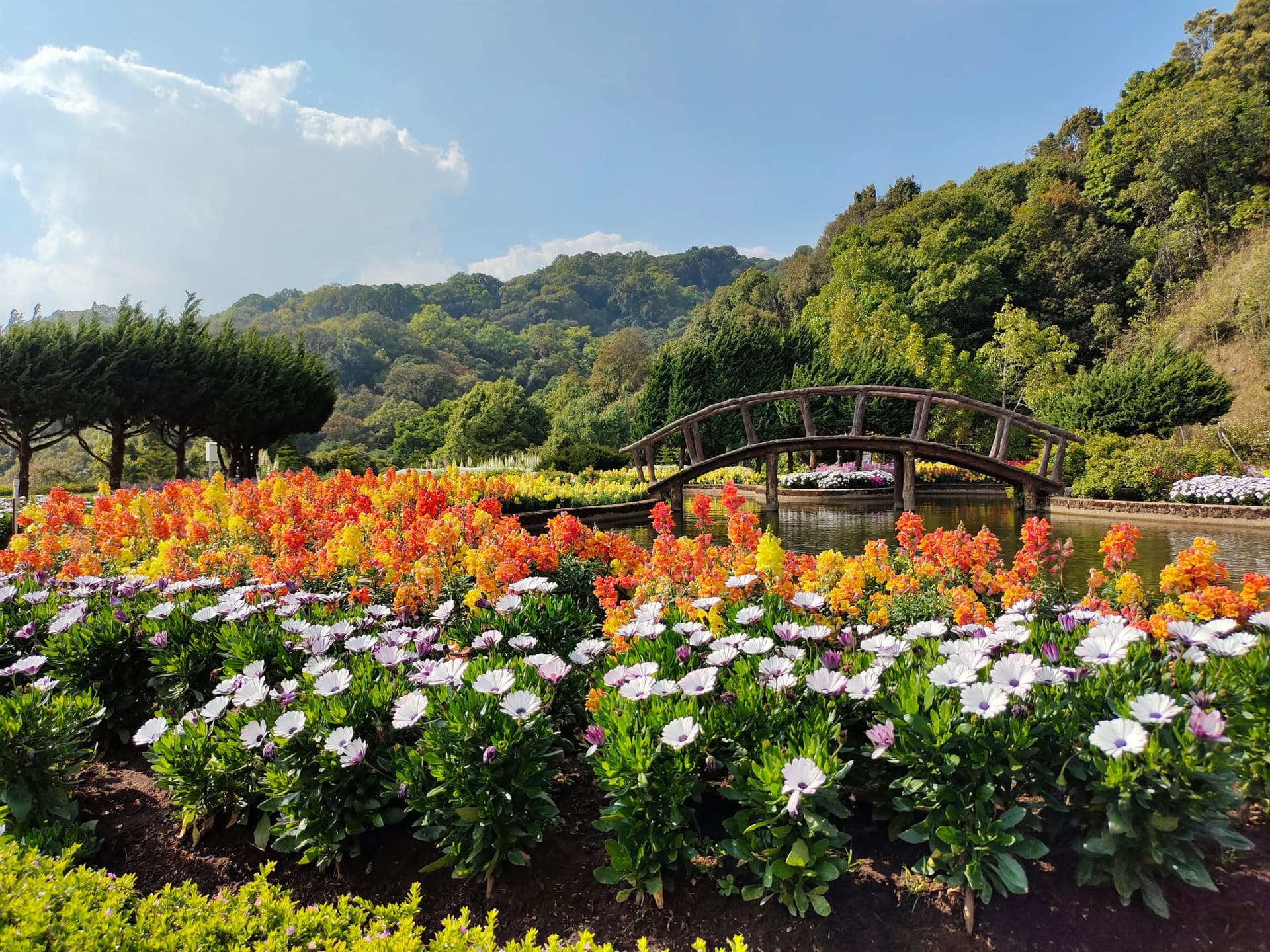
Discover 10 garden flowers that require minimal care. Learn which characteristics make plants easy to grow and follow tips on how to create a beautiful corner from beginner-friendly blooms on your property.

Beginner Guides
10 Easy Garden Flowers to Grow
How to Tell if a Plant Is Dead

6 min read · 19 Aug 2026

How to Tell if a Plant Is Dead

A plant can lose its leaves, stop growing, or collapse and still remain alive. A closer look at the stems, roots, bulbs, and tubers can show whether the plant still has a chance to recover.

Beginner Guides
How to Tell if a Plant Is Dead