



Best Soil for frangipani (Plumeria alba)

Plumeria alba grows best in a loose, fast-draining soil with a slightly acidic to near-neutral pH that supports healthy root function.

Soil Texture

Sandy, Loamy, Organic-rich

Soil pH

Acidic (5.5–6.5), Slightly acidic (6.5–7.0)

Soil Drainage

Well-drained

Plumeria alba Soil Guide

Native to tropical parts of the Caribbean and Central America, Plumeria alba grows in warm, bright conditions where water moves through the ground fairly quickly. That background explains why frangipani soil should feel open and airy rather than heavy or compact.

The best soil for frangipani is well-drained, sandy to loamy, and moderately rich in organic matter. Its roots prefer oxygen around them and do not need constant moisture, so a loose texture helps excess water drain while still holding some moisture and nutrients for steady growth.

A simple custom blend helps Plumeria alba stay rooted in a mix that drains fast but does not collapse over time.

100% total mix = 20 scoops
15%
coarse sand3 scoops
25%
pine bark fines or orchid bark5 scoops
25%
perlite or pumice5 scoops
35%
coarse potting soil7 scoops

The finished blend should feel loose, gritty, and airy, with water moving through quickly while a light amount of moisture stays in the root zone.

A good target for frangipani is 5.5–7.0 pH, with slightly acidic soil often giving the most balanced nutrient availability. Within that range, roots can take up key elements without the chemistry becoming too limiting.

Plumeria alba can handle a mildly acidic to near-neutral mix, but drifting far outside that range may reduce access to nutrients even when they are present in the soil.

This species is often more sensitive to stale, compacted root conditions than to slightly lean soil. A few early checks can help rule out soil-related stress.

Heavy mix:

If the root area stays dense and slow to dry, loosen future watering cycles by checking drainage and replace compact material with a more open mix.

Sour soil smell:

A musty or sour odor can suggest stagnant conditions around the roots, so tip the plant out and inspect whether the center of the mix has become airless.

Crusted surface:

A hard top layer may mean the mix is breaking down or mineral salts are building up, so gently remove the crust and refresh the upper layer.

Shrinking soil:

If the mix pulls away from the pot sides, it may have dried unevenly and lost structure, so rewet it gradually and assess whether replacement is needed.

Better Soil Starts Here

Botan helps match this plant’s soil needs to the right texture and drainage so choosing a suitable mix feels more straightforward.

FAQ

Yes. Drainage holes are important because this species handles excess moisture poorly around its roots. A pot without exit holes keeps the lower mix wet longer and raises the risk of root decline.

Everything About nosegaytree

More Plant Soil Guides

Could It Be the Soil?

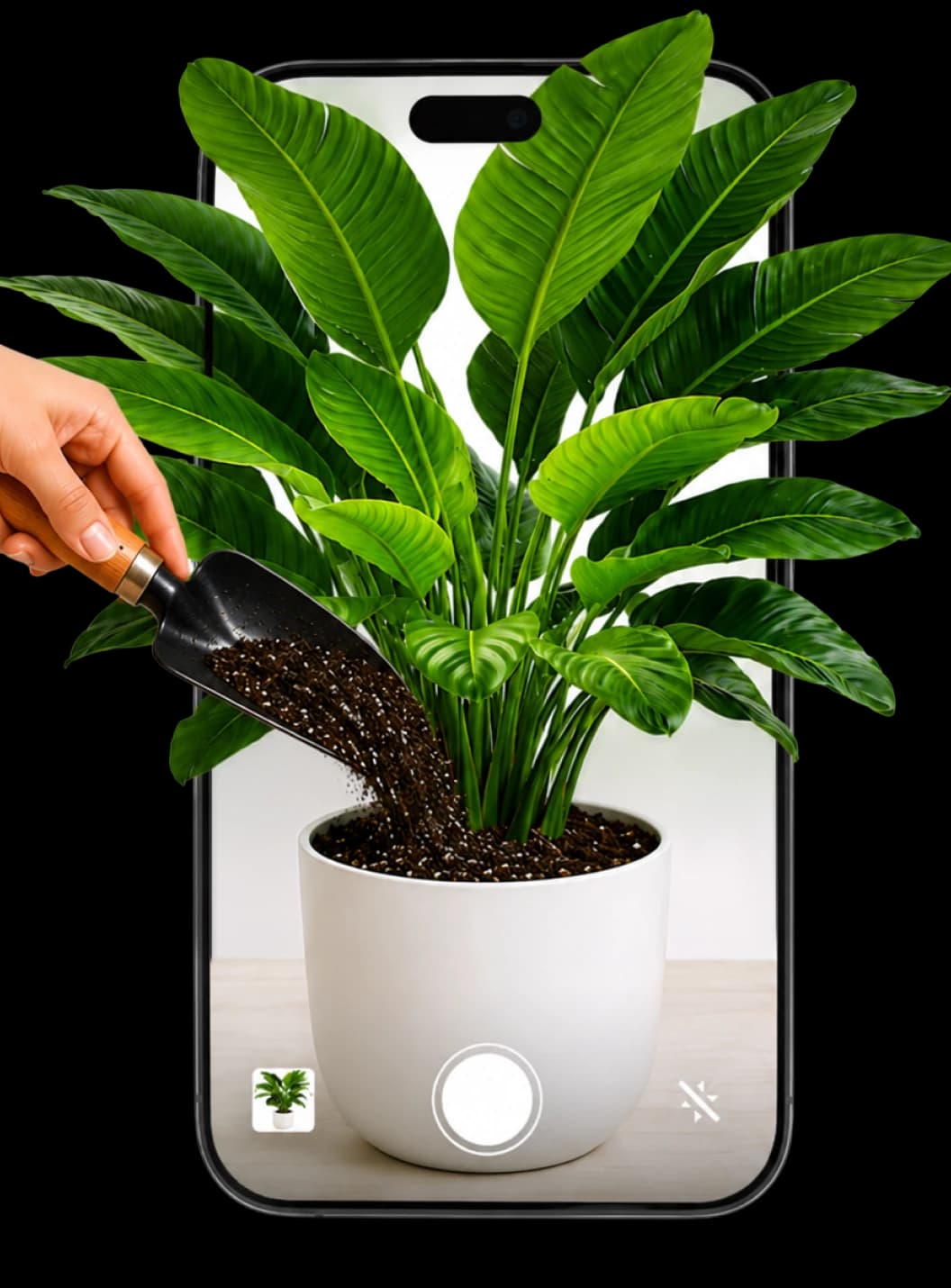
Yellowing, collapse, or stalled growth can have several causes. Botan’s photo-based assessment can help check whether soil is one factor worth reviewing.

Botan app helping with soil and plant care
How Fast Does Bamboo Grow Per Day, Month, and Year

10 min read · 7 Jul 2026

How Fast Does Bamboo Grow Per Day, Month, and Year

Bamboo grows extremely fast: some species can reach 5-6 m in just 3-4 months under the right conditions. This guide explains how much bamboo can grow per day, week, and year, and what affects its growth rate.

Plant Recommendations
How Fast Does Bamboo Grow Per Day, Month, and Year
Top 15 Fast-Growing Trees For Your Garden

13 min read · 28 Jul 2026

Top 15 Fast-Growing Trees For Your Garden

Learn which of the 15 fastest-growing trees will suit your area. We’ll share detailed information on each: growth rate, mature spread, key tree demands, and main vulnerabilities. Read on and make the best choice possible.

Plant Recommendations
Top 15 Fast-Growing Trees For Your Garden
How to Mist Plants – Proper Technique and Common Mistakes

7 min read · 30 Jul 2026

How to Mist Plants – Proper Technique and Common Mistakes

Find out when misting works well and when to avoid it. Here, you’ll find detailed information about compatible and incompatible species, tips on how often to mist plants and do it correctly, and some great alternatives for raising humidity.

Beginner Guides
How to Mist Plants – Proper Technique and Common Mistakes