







Lucerne (Medicago sativa) Light Needs

Lucerne grows best in full sun, with long, direct exposure for strong, compact growth through the growing season.

Light Preference

Full Sun

Medicago sativa Light Requirements

In its naturalized and cultivated habitats, this species grows in open fields, meadows, and disturbed sunny ground in temperate to dry climates. It is adapted to unshaded sites where the canopy receives strong seasonal sunlight for much of the day. These conditions support dense stems, normal flowering, and steady regrowth after cutting. Its preferred light in cultivation is full sun.

  • Ideal exposure:

    Lucerne needs about 6–8 hours of full sun daily, including at least 6 hours of direct sun.

  • Direct sun:

    Established plants can take full-day direct sun when acclimated and grown in open outdoor conditions.

  • Low light:

    Shade or bright shade is not suitable because stems weaken and flowering is reduced.

  • Afternoon sun:

    Hot afternoon sun is generally acceptable, but tender seedlings or recent transplants benefit from gradual exposure during their first days.

Full sun is suitable, but sudden or extreme exposure can still cause stress.

Bleached leaflets:

Leaflets may develop pale, washed areas on the most exposed side after a rapid move into stronger sun.

Papery patches:

Tan, dry spots can appear where intense afternoon sun hits tender new growth or recently cut regrowth.

Midday folding:

Leaves may fold or look dull during the hottest hours when light and heat are both high.

Scorched tips:

Fine leaflet tips may dry on exposed stems, especially after transplanting into open sun without acclimation.

Shift container-grown Medicago sativa to a slightly less intense site, or use temporary afternoon shade. Reintroduce strong sun over several days.

Low light usually shows as weak, open growth rather than sudden damage. This species is not shade tolerant.

  • Stretched stems:

    Stems lengthen and look thin as the plant reaches toward stronger light.

  • Wide spacing:

    Leaf clusters may sit farther apart, giving the stand a sparse, uneven look.

  • Leaning growth:

    Shoots often lean toward the brightest opening instead of growing upright and evenly.

  • Reduced bloom:

    Flowering and seed set may be limited when the plant receives only short or filtered exposure.

  • Smaller regrowth:

    New growth after cutting can be smaller and slower during the active season.

Move Medicago sativa to an open site with direct sun for most of the day. Avoid spots shaded by fences, walls, or dense overhead cover.

If ideal exposure is not available, choose the brightest open site and prioritize at least 6 hours of direct sun. A site with morning and midday sun is a better compromise than bright shade all day.

Move containers away from walls, railings, or taller growth that blocks the sun. Bright shade is unsuitable because it produces weak stems and poor flowering.

Get Personalized Care Plan

Scan your plant to receive care tips personalized for your specific plant

FAQ

Lucerne light requirements are full sun, with direct exposure for most of the day. The species grows best in open, unshaded outdoor positions.

More Plant Light Guides

Get the Botan App

Discover how to care for your plants with Botan.

Botan app identifying a plant with a phone camera
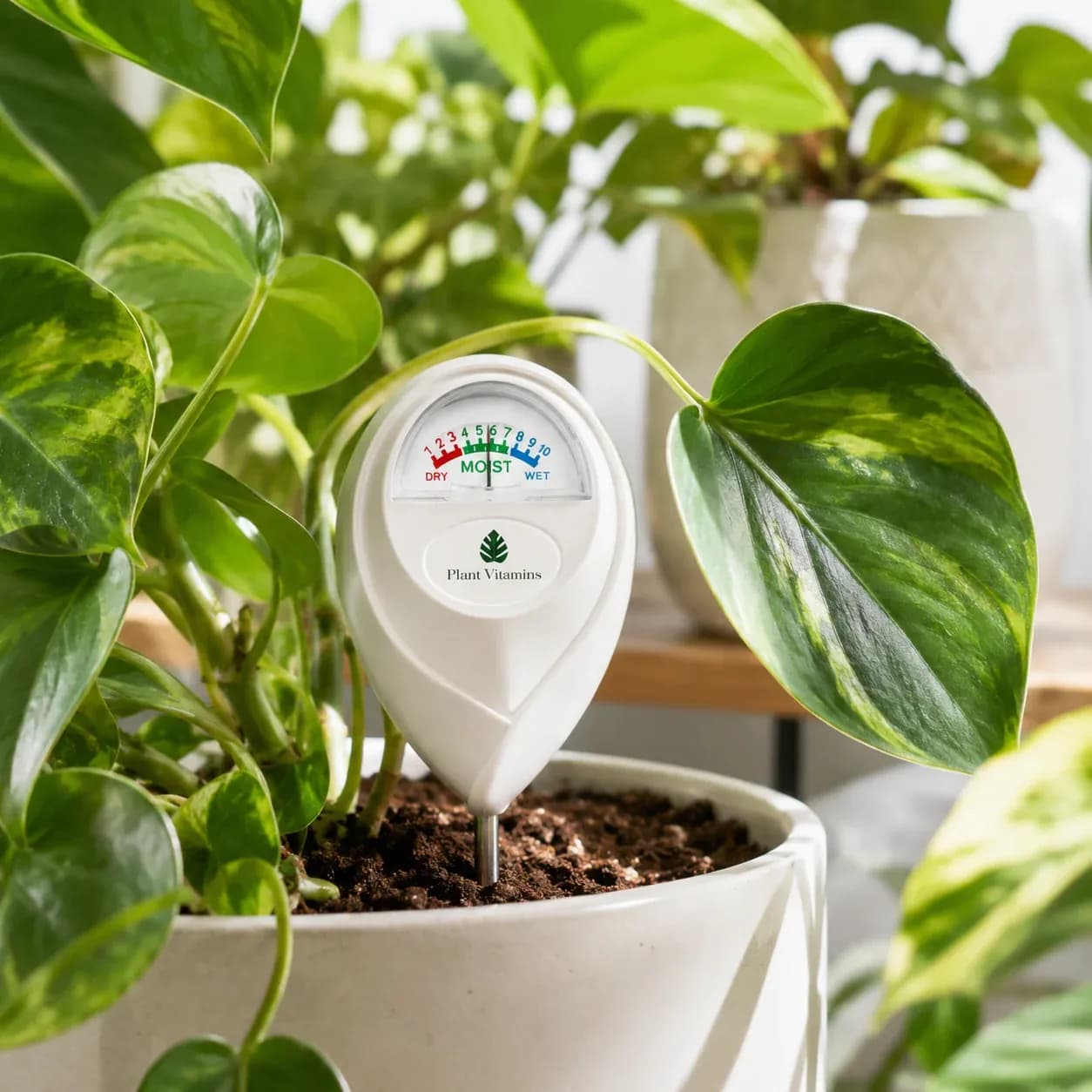
How to Use a Moisture Meter for Plants

5 min read · 4 Sept 2026

How to Use a Moisture Meter for Plants

Watering by feel kills plenty of houseplants. A moisture meter checks the soil for you, and takes the guesswork out of it. This guide will show you how to use it correctly, from the first touch to the final reading.

Beginner Guides
How to Use a Moisture Meter for Plants
12 Most Wanted Rare Houseplants to Grow at Home

6 min read · 21 Sept 2026

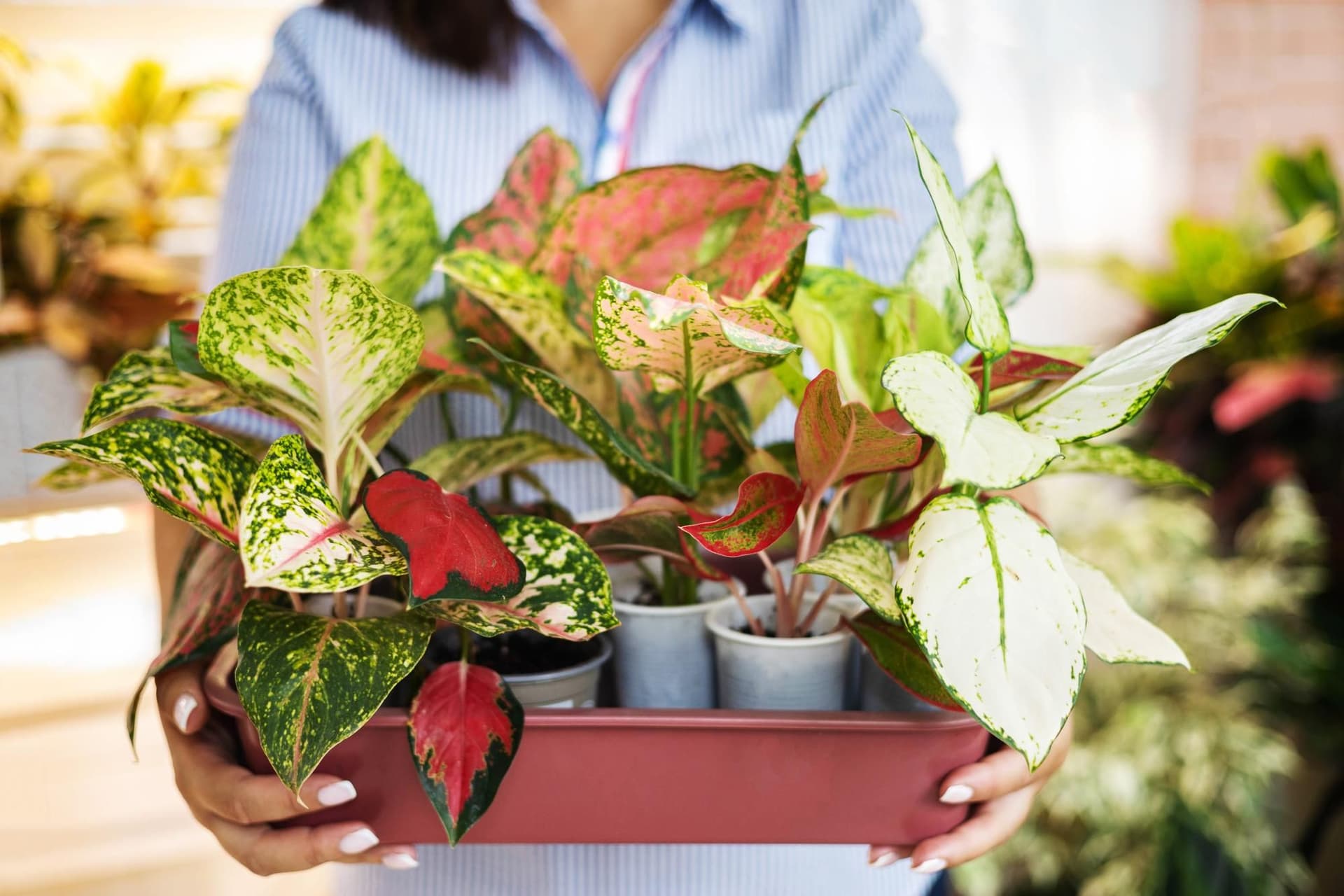
12 Most Wanted Rare Houseplants to Grow at Home

Rare houseplants can turn an ordinary corner in your apartment into a living botanical collection. This guide covers 12 most admired picks, what makes them special, and how to grow them successfully at home.

Plant Recommendations
12 Most Wanted Rare Houseplants to Grow at Home
When to Harvest Carrots: Timing, Signs, and How to Pick Them

6 min read · 23 Oct 2026

When to Harvest Carrots: Timing, Signs, and How to Pick Them

Carrots are usually ready 60-80 days after sowing them in the soil, depending on the variety. Learn how to recognize maturity signs, choose the right harvest season, pull carrots without damaging them, and store roots after picking.

Plant Care
When to Harvest Carrots: Timing, Signs, and How to Pick Them