Root-zone drainage
When planting in the ground, create a shallow gravel layer or raised berm under and around the root zone to keep the crown from sitting in winter-wet soil and reduce the risk of root rot in heavy or compacted sites.

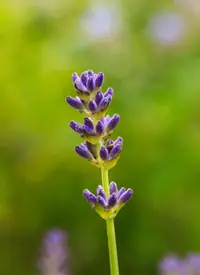
Portuguese lavender, Lavandula latifolia, is a woody, evergreen subshrub in the mint family. It forms low, bushy clumps with narrow gray-green leaves and tall flower spikes. The plant is native to the western Mediterranean, especially Spain and Portugal, where it grows in dry, sunny habitats. It is valued for its strong camphor-like scent and plentiful nectar-rich flowers that attract bees and other pollinators. This species is generally easy to grow if given full sun, well-drained soil, and low to moderate watering. Understanding how to care for Portuguese lavender helps it stay compact, long-lived, and floriferous in garden or container settings.

Care Difficulty
Moderate Care

Light Preference
Full Sun

Water Requirements
Low Water

Temperature Preference
Warm Climate

Hardiness Zone
6–9

Soil Texture
Sandy, Loamy, Rocky

Soil pH
Slightly acidic (6.5–7.0), Slightly alkaline (7.0–7.5)

Soil Drainage
Well-drained

Fertilization
Minimal (feed rarely)
Scan your plant to receive care tips personalized for your specific plant
Available on iOS and Android
This Mediterranean shrub needs strong, direct light to stay compact and aromatic.
This species prefers dryish conditions and is highly sensitive to excess moisture around the roots.
This lavender tolerates a wide temperature range but performs best in warm, dry conditions.
This species prefers dry air and usually does not need special humidity control indoors or outdoors.
Lavandula latifolia needs lean, mineral, sharply drained soil to prevent root problems.
This species is suitable for container growing when drainage and root space are managed carefully.
Lavandula latifolia prefers lean soils and needs only light fertilization to stay healthy.
Pruning Lavandula latifolia maintains a compact, flowering shrub and extends its productive life.
Lavandula latifolia is usually grown in the ground, but container plants or young transplants sometimes need shifting.
Lavandula latifolia is commonly propagated from cuttings for consistent, vigorous plants.
Lavandula latifolia is fairly cold hardy in mild climates but benefits from light winter protection in colder areas.

Plant Health Check
Not sure what's wrong with your plant? Check your plant's health inside the app.
The essential oil of this species contains a notably high proportion of camphor and 1,8-cineole compared with many other lavenders, which gives it a sharper, more medicinal aroma and different industrial uses.
It naturally occurs in hot, dry, open habitats of the western Mediterranean, especially on rocky slopes and poor calcareous soils, where it tolerates intense sun and seasonal drought.
This species is one of the two wild parents of Lavandula × intermedia (lavandin), an important commercial hybrid grown worldwide for high-yield essential oil production.

Genetic and chemical studies show that populations of this species across its range in Spain, Portugal, and southern France display marked variation in essential oil composition, forming distinct chemotypes that are sometimes managed separately in breeding and commercial cultivation.
Poor flowering usually comes from plants being too young, pruned too hard in late spring, or stressed by heavy soil and excess moisture. Avoid high‑nitrogen fertilizer, improve drainage, and allow full light exposure to support bud formation.
Keep your plants happy and healthy with plant identification, disease detection, and easy care guidance.