Icelandic poppy Care (Papaver nudicaule)

Also known as: Iceland Poppy
Icelandic poppy

About Icelandic poppy

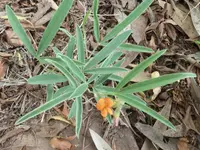
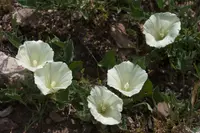
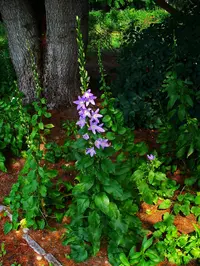
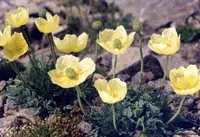
Icelandic poppy, Papaver nudicaule, is a short-lived perennial often grown as a cool-season annual for its delicate, tissue-thin flowers. It forms low, soft green foliage clumps and sends up slender stems topped with single, cup-shaped blooms in white, yellow, orange, pink, or red.

This species is native to subarctic regions of Europe and Asia, where it thrives in cool summers and bright light. In gardens, it prefers full sun, well-drained soil, and moderate moisture, and it resents heat and heavy, wet ground.

Once established, it can self-seed, but individual plants are not long-lived. Understanding these traits is the key to how to care for Icelandic poppy successfully over several seasons.

Main Plant Requirements

Care Difficulty

Moderate Care

Light Preference

Full Sun

Water Requirements

Moderate Water

Temperature Preference

Cool Climate

Hardiness Zone

2–7

Soil Texture

Sandy, Loamy, Rocky

Soil pH

Acidic (5.5–6.5), Slightly acidic (6.5–7.0)

Soil Drainage

Well-drained

Fertilization

Minimal (feed rarely)

Get Personalized Care Plan

Scan your plant to receive care tips personalized for your specific plant

Available on iOS and Android

How to Care for the Icelandic poppy

This plant prefers bright, cool sun exposure to support strong flowering and compact growth.

  • Provide 6–8 hours of direct sun daily, ideally with full morning sun and light afternoon shade, especially in hotter regions.
  • Tolerates light partial shade (around 4 hours direct sun) but flowering of Icelandic poppy will be reduced and stems may stretch or lean.
  • In hot summers, protect from harsh afternoon sun to prevent flower scorch and premature fading, using neighboring plants or structures for filtered light.

This poppy prefers evenly moist but not saturated soil, with brief dry periods between waterings.

  • Allow the top 2–3 cm of soil to dry before watering, then soak the root zone thoroughly so water penetrates 15–20 cm deep.
  • In cool spring and fall, soil may stay moist longer; in hot, dry spells, monitor more often and use finger tests rather than a fixed schedule.
  • Watch for overwatering signs such as yellowing, limp foliage and mushy crowns, and underwatering signs like drooping, papery leaves and fast-drying soil around Papaver nudicaule.

This species thrives in cool conditions and struggles in sustained heat or severe freezing.

  • Optimal growth and flowering occur around 55–65°F (13–18°C); plants tolerate short periods up to 70°F (21°C) without stress.
  • Hardy to about 10–15°F (-12 to -9°C) with good drainage, but repeated freeze–thaw on wet soil can damage crowns and roots.
  • In summer, sustained heat above 80°F (27°C) shortens bloom life; use mulch and light afternoon shade to keep roots cooler and reduce stress.

Papaver nudicaule tolerates a wide humidity range and rarely needs special adjustments outdoors.

Papaver nudicaule prefers cool, well-drained, moderately fertile soil to reduce rot risk and promote flowering.

  • Use a light loam or sandy loam with 20–30% coarse sand or fine grit to keep pores open and prevent waterlogging.
  • Incorporate a modest amount of mature compost for nutrients while avoiding heavy, peat-rich mixes that stay wet too long.
  • Aim for slightly acidic to neutral pH around 6.0–7.0, which supports nutrient uptake and root health.
  • On compact or clay sites, raise the planting area 5–10 cm and mix in grit or perlite to improve aeration and drainage.

This species can be grown in containers for cool-season color if drainage and root space are managed carefully.

  • Choose a pot at least 20–25 cm deep so the taproot can extend downward without curling tightly at the base.
  • Use a heavier material such as terracotta or ceramic outdoors to stabilize tall flower stems against wind sway.
  • Elevate the container on feet or bricks so drainage holes stay clear and excess water escapes quickly after rain or watering.

This species benefits from light, balanced feeding but is sensitive to excess nutrients.

  • Use a balanced, water-soluble fertilizer (around 10-10-10) at 1/2 strength for caring for Icelandic poppy in containers or poor soils.
  • Feed every 3–4 weeks during active growth and flowering, then stop in late summer as plants decline.
  • In rich garden beds, use a thin layer of compost in early spring instead of frequent liquid feeding.
  • Avoid heavy slow-release fertilizer doses, which promote weak, lush foliage and fewer flowers.

Pruning Papaver nudicaule focuses on deadheading and hygiene rather than reshaping the plant.

  • Deadhead spent blooms promptly by cutting stems at the base to extend flowering and reduce self-seeding.
  • Remove yellowing or diseased leaves whenever seen to improve air flow and limit fungal issues.
  • In late season, cut back collapsed foliage with clean, sharp scissors or hand pruners to tidy the clump.
  • Disinfect tools before and after use if disease is present to avoid spreading pathogens.

Papaver nudicaule dislikes root disturbance, so transplanting must be done carefully and infrequently.

  • Transplant seedlings when small, just after they form 2–3 true leaves, before roots tangle or circle plugs.
  • Choose early spring or cool fall weather so plants can establish before heat or hard frost.
  • Grow in final positions whenever possible; containers are usually short term, not for repeated repotting.
  • Move with an intact soil plug, disturb roots as little as possible, and water gently to settle soil and reduce shock.

This poppy is most reliably raised from seed rather than from division or cuttings.

  • Sow fresh seeds in late summer or early spring, directly in the garden or in modules.
  • Use a well-drained, gritty mix and press seeds onto the surface; do not bury deeply, as they need light for germination.
  • Maintain cool conditions around 50–60°F and keep the surface just moist until seedlings appear.
  • Thin or transplant very young seedlings with minimal root disturbance to avoid setback.

Papaver nudicaule is cold hardy in many climates and usually needs minimal winter care in the ground.

  • In zones with reliable snow cover, plants overwinter as low rosettes, tolerating light to moderate frost.
  • Apply a thin, airy mulch after the ground cools to buffer freeze–thaw cycles without smothering crowns.
  • For containers, move pots to a sheltered, unheated area to prevent rootball freezing and cracking.

Care Tips

Staggered Succession Sowing

Sow small batches every 2–3 weeks in cool weather so flowering continues longer and plants avoid maturing all at once, which reduces gaps in bloom display.

Cold Stratification Boost

For better germination, chill sealed seed packets in the refrigerator for 2–3 weeks before sowing, then surface-sow onto cool, moist mix without covering the seeds.

Minimal Root Disturbance

Start seeds in individual plugs or soil blocks and transplant while very small using a dibber or narrow tool, keeping the root ball intact to avoid transplant shock.

Wind-Resilient Support

In breezy sites, run low twine or wire supports between short stakes at 15–20 cm height so stems lean on the line without being tightly tied, reducing breakage of flower stalks.

Spent Bloom Management

For extended flowering, remove spent blooms by cutting the stem back to the basal foliage, but allow a few of the strongest stems to set seed if future growing Icelandic poppy from self-sown plants is desired.

Common Pests and Diseases

Aphids

This pest feeds on tender stems and flower buds, sucking sap and causing distortion, curled foliage, and sticky honeydew on Icelandic poppy plants.

Solution

Rinse colonies off flower stems and buds with a firm stream of water, then spot-treat remaining clusters with insecticidal soap or a light horticultural oil, repeating every 5–7 days until new growth appears clean. Encourage natural predators such as lady beetles by avoiding broad-spectrum insecticides and reducing excess nitrogen fertilization that promotes soft, aphid-prone growth.

Thrips

These insects scrape and suck plant tissues in flower buds and petals, leading to streaked, silvery, or deformed blooms and reduced overall flowering.

Solution

Remove and discard heavily damaged flowers and buds, then use sticky traps near plants to monitor activity and reduce adult numbers. If damage continues, treat buds and flower stalks with insecticidal soap or a low-impact systemic labeled for ornamentals, and reduce plant stress by maintaining steady moisture and full-sun exposure appropriate for Papaver nudicaule care.

Botrytis blight

This disease causes soft, water-soaked spots on buds, petals, and foliage that quickly develop gray, fuzzy mold, especially in cool, damp conditions.

Solution

Promptly remove and discard affected flowers and leaves, and space plants to improve airflow so surfaces dry quickly after rain or overhead watering. Water at soil level in the morning, keep mulch thin around crowns, and if the problem persists, apply a labeled fungicide at the first sign of spotting to protect new buds and foliage.

Downy mildew

This disease produces pale or yellow patches on leaves and a downy, grayish growth on the undersides, often stunting plants and reducing flowering in cool, humid weather.

Solution

Remove and destroy infected leaves, avoid overhead watering, and reduce crowding to lower humidity around foliage. In areas with frequent outbreaks, use a preventive fungicide labeled for downy mildew on ornamentals early in the season, especially during extended cool, wet periods.

Leaf spots

Symptoms include small brown, tan, or purple lesions on leaves that can merge into larger blotches, leading to premature yellowing and drop of lower foliage.

Solution

Collect and discard spotted leaves and any fallen plant debris to limit fungal spread, and irrigate at the base to keep leaves dry. Rotate planting areas each year if growing Icelandic poppy as a cool-season annual, and use a protective fungicide only if new leaves continue to develop fresh spots under wet conditions.

Interesting Facts

Arctic-alpine specialist

Papaver nudicaule is naturally distributed in subarctic and high-altitude regions of northern Eurasia, where it is adapted to short growing seasons, low temperatures, and high light intensity.

Cold-triggered germination

Its seeds often show improved and more even germination after exposure to a period of cold, a process called cold stratification, which reflects its evolution in climates with long, cold winters.

Short-lived perennial habit

In its native range Papaver nudicaule behaves as a short-lived perennial that can persist for several years, but in many garden settings it is grown as a biennial or even annual due to its tendency to decline after flowering heavily.

Botan icon

Did you know?

Papaver nudicaule has been used extensively in 20th-century breeding programs to produce a wide range of poppy cultivars with unusually bright, translucent petals in colors from pure white and yellow to orange, salmon, and soft pink, which has made it a model ornamental species for studying flower color genetics in poppies.

FAQs about Icelandic poppy

Lack of flowers often comes from too much warmth, overcrowding, or plants started late from seed. Older clumps can also decline. Deadhead spent blooms and avoid heavy nitrogen fertilization to direct energy toward flower production rather than foliage.

Grow Healthy Plants with Botan Care

Keep your plants happy and healthy with plant identification, disease detection, and easy care guidance.

Botan plant care app — identify plants on mobile

Explore More Plants