flowering spurge Care (Euphorbia corollata)

flowering spurge

About flowering spurge

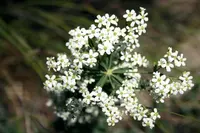
Flowering spurge, Euphorbia corollata, is a hardy North American native wildflower in the spurge family. It is typically grown as a long-lived perennial in garden settings. The plant forms upright, slender stems topped with airy clusters of small white bracts around tiny true flowers, creating a delicate, cloudlike effect in bloom. Its fine texture pairs well with prairie grasses and other sun-loving perennials.

In nature it occurs in dry prairies, open woods, and roadsides, especially in well-drained, often poor soils. These origins make it relatively low-maintenance once established, as long as drainage is good. Gardeners who want to care for flowering spurge should provide full sun, moderately dry conditions, and avoid heavy, waterlogged soil.

Main Plant Requirements

Care Difficulty

Easy Care

Light Preference

Full Sun

Water Requirements

Low Water

Temperature Preference

Cold Hardy

Hardiness Zone

3–9

Soil Texture

Sandy, Loamy, Rocky

Soil pH

Acidic (5.5–6.5), Slightly acidic (6.5–7.0)

Soil Drainage

Well-drained

Fertilization

Minimal (feed rarely)

Get Personalized Care Plan

Scan your plant to receive care tips personalized for your specific plant

Available on iOS and Android

How to Care for the flowering spurge

This North American perennial thrives in open, bright sites with plenty of direct sun.

  • Provide 6–8 hours of direct sun daily; morning and midday sun are ideal, with light afternoon shade in very hot climates.
  • Tolerates light partial shade (around 3–4 hours of direct sun), but flowering spurge will produce fewer flowers and lean toward brighter light.
  • In cool or northern regions, full sun all day is best; in hot southern areas, protect from harsh late-afternoon sun to reduce leaf scorch and stress.

This species is drought-tolerant and prefers dry to moderately dry soil conditions once established.

  • In the ground, allow the top 5–8 cm of soil to dry completely before deep watering, then soak the root zone and let excess drain away.
  • During hot, dry spells, watch foliage for wilting or crisping edges as a cue to water, but avoid frequent light sprinklings that leave soil constantly damp.
  • Use very well-drained, sandy or rocky soil; yellowing, soft stems, or a sour smell around roots indicate overwatering and possible root rot in Euphorbia corollata.

This hardy perennial tolerates a wide temperature range but grows best in warm, mild conditions.

  • Optimal growing temperatures are around 65–80°F (18–27°C), with active shoot and flower growth in late spring and summer.
  • Established plants tolerate winter lows near 0°F (-18°C) in the ground, dying back to roots while crowns survive under mulch or snow cover.
  • Handles summer heat up to about 90–95°F (32–35°C) if soil is well-drained; prolonged frost heave or freeze-thaw cycles around 20–32°F (-6–0°C) can expose roots and should be limited with mulch.

This species handles a wide humidity range and rarely needs special adjustment indoors.

  • Aim for 30–50% humidity, similar to typical indoor air, as flowering spurge is naturally adapted to relatively dry prairie conditions.
  • Dry air seldom causes problems, but extreme, hot drafty spots can increase transpiration and lead to temporary leaf wilting or edge browning.
  • If signs of stress appear, move the plant away from heat sources and group it with other plants rather than using constant misting.

This species prefers lean, well-drained mineral soils that do not stay wet.

  • Use a sandy or gritty loam with 30–50% coarse sand or fine gravel to keep the root zone fast-draining and oxygenated.
  • Euphorbia corollata grows best in slightly acidic to neutral soil, roughly pH 6.0–7.2, but tolerates mildly alkaline conditions if drainage is strong.
  • Mix a small amount of compost or well-rotted leaf mold into the top layer only, avoiding rich, heavy organic mixes that stay soggy.
  • Avoid clayey, compacted, or peat-heavy substrates; improve such soils by incorporating coarse sand or grit through the full planting depth.

This species can be grown in containers if they are set up to drain quickly and stay relatively dry between waterings.

  • Choose a deep, narrow pot to accommodate its taproot and prevent the plant from rocking in strong wind outdoors.
  • Select a heavier material such as ceramic or clay to stabilize the tall stems and reduce tipping risk.
  • Raise the pot slightly on feet or bricks so water can exit freely and the drainage holes never sit in a saucer of standing water.

This prairie perennial is adapted to lean soils and usually needs minimal fertilization.

Euphorbia corollata benefits from light, periodic pruning to keep plants tidy and flowering well.

  • Cut back spent flowering stems in late summer or early fall to encourage a neater clump and reduce self-seeding.
  • Remove dead, damaged, or weak stems at the base using clean, sharp hand pruners to maintain plant health.
  • Thin crowded stems lightly to improve air flow and preserve the plant’s natural upright, airy form.

In gardens, this species is usually transplanted rather than repotted, since it develops a deep root system.

  • Transplant young plants in early spring or early fall, when temperatures are mild and soil stays evenly moist.
  • Look for signs such as poor vigor or plants heaving out of the soil before deciding to lift and reset clumps.
  • Dig wide and fairly deep to capture as much of the root as possible, minimizing damage to the taproot.
  • Replant at the same depth, water thoroughly, and keep soil slightly moist for 1–2 weeks to limit transplant shock.

This species is most commonly propagated from seed, since its taproot makes division more stressful.

  • Collect seeds from dry capsules in late summer and sow outdoors in fall for natural winter cold stratification.
  • For indoor sowing, chill seeds in moist medium at 35–40°F for 4–6 weeks, then provide bright light and 65–75°F.
  • Sow seeds shallowly in well-drained, gritty mix and keep just moist until germination occurs.
  • Transplant seedlings carefully once they have several true leaves, disturbing roots as little as possible.

This cold-hardy perennial dies back naturally in winter and usually needs no special protection in the ground.

  • In USDA zones where it is hardy, allow stems to die back and either leave them for winter structure or cut to ground level.
  • Apply a light 2–5 cm layer of mulch after the ground cools to moderate soil temperature and reduce freeze–thaw heaving.
  • For containers, move pots to a sheltered, unheated area where soil does not stay waterlogged over winter.

Care Tips

Latex-safe handling

Wear gloves and avoid touching your face or eyes when cutting or transplanting, as the milky sap can irritate skin and eyes, and rinse tools in soapy water afterward to remove residue.

Self-seeding management

If you want a controlled colony, remove seed heads as they dry to limit spread; if you want a naturalized drift, flag desirable seedlings in spring before weeding so they are not pulled by mistake.

Companion planting use

Plant it among deep-rooted prairie perennials or ornamental grasses so its fine roots and airy stems fill upper soil layers without competing heavily, which helps maintain a balanced, low-maintenance planting.

Staking for cut stems

In windy sites or if cutting for arrangements, insert low, discreet stakes and tie several stems loosely together at mid-height to reduce breakage and produce longer, straighter flower stems.

Dormancy clean-up

In late fall or very early spring, cut back and remove old, dry stems at ground level to reduce overwintering pests and diseases and to give new shoots clear space to emerge, which simplifies caring for flowering spurge in mixed plantings.

Common Pests and Diseases

Stem canker

This disease causes sunken, dark lesions on stems that can girdle shoots and lead to dieback, especially after wounding or stress. Symptoms include yellowing and premature wilting above the affected area.

Solution

Prune out affected stems several inches below visible damage and dispose of them, disinfecting pruners between cuts with 70% alcohol. Avoid mechanical injury, keep plants vigorous with well-drained soil and moderate watering, and improve spacing and airflow to reduce extended leaf and stem wetness.

Powdery mildew

This disease appears as white, powdery patches on leaves and stems, usually during warm days and cool, humid nights. Symptoms include distorted new growth and a dull, grayish cast over foliage.

Solution

Remove and discard heavily infected leaves to reduce spore load, and thin overcrowded clumps to improve airflow. Water at the base in the morning, avoid overhead irrigation, and if needed use a labeled sulfur or potassium bicarbonate spray applied according to local flowering spurge care instructions.

Aphids

These insects cluster on tender stems and flower stalks, sucking sap and causing curling or distortion of new growth. This pest also excretes sticky honeydew that can attract sooty mold and ants.

Solution

Dislodge aphids with a firm stream of water from a hose, repeating every few days until populations drop. On persistent infestations, treat undersides of stems and leaves with insecticidal soap or a light horticultural oil, applied in the early morning and kept off very hot, sunlit tissue to avoid burn.

Spider mites

These pests are tiny sap-feeding arachnids that leave fine webbing and cause stippled, dull, or bronzed foliage, especially in hot, dry conditions. Symptoms include very fine speckling and gradual leaf decline.

Solution

Rinse plants thoroughly with water, focusing on stems and leaf undersides, and repeat several times over 1–2 weeks to knock down populations. In dry weather increase ambient humidity slightly, reduce drought stress, and use a horticultural oil or insecticidal soap labeled for mites if webbing and damage continue.

Crown gall

This disease produces hard, tumor-like galls at the crown or lower stems, which can disrupt water flow and weaken plants over time. Symptoms include stunted growth and poor vigor in otherwise adequate growing conditions.

Solution

Remove and destroy severely affected plants, including as much of the root system as possible, and avoid replanting susceptible species in the same spot for several years. Prevent wounding during cultivation, use clean tools and disease-free nursery stock, and discard any new plant that shows suspicious galls at the base before planting.

Interesting Facts

Native prairie specialist

This species is naturally found in dry prairies, open woodlands, and glades of central and eastern North America, where it tolerates thin, rocky soils that many other forbs cannot handle.

Cloud-like floral display

What look like white flower petals are actually showy bracts surrounding small, less conspicuous true flowers, creating a delicate, cloud-like effect over the plant in summer.

Specialist pollinator support

Its nectar and pollen support a range of native solitary bees and small wasps, and it is a documented host and nectar plant for several native moth species that use prairie habitats.

Botan icon

Did you know?

This species exudes a toxic, milky latex sap that deters many herbivores and can cause skin irritation in humans, a typical defense strategy of the Euphorbia genus but notably strong in this long-lived prairie perennial.

FAQs about flowering spurge

This species spreads by both seed and short rhizomes, forming loose colonies over time. In well-drained, lean soils it is usually manageable. In disturbed, open sites, seedlings can appear widely, so deadhead and thin if spread becomes unwanted.

Grow Healthy Plants with Botan Care

Keep your plants happy and healthy with plant identification, disease detection, and easy care guidance.

Botan plant care app — identify plants on mobile

Explore More Plants