Aconitum burnatii Care

Aconitum burnatii

About Aconitum burnatii

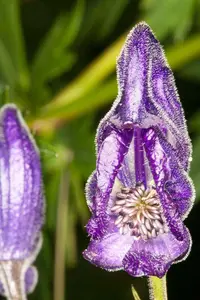
Aconitum burnatii is a perennial flowering plant in the buttercup family, known for its tall, upright stems and hooded, helmet-like flowers. It forms clumps from tuberous roots and typically carries deeply divided, dark green leaves that give it a refined, architectural look in borders.

This species is native to mountainous regions of Europe, where it grows in cool, moist meadows and woodland edges. It prefers consistently moist, well-drained soil and cool summer conditions, so it can be demanding in hot or dry climates.

Gardeners who care for Aconitum burnatii usually place it in partial shade with reliable moisture, which supports steady growth and flowering but requires some planning and maintenance.

Main Plant Requirements

Care Difficulty

Moderate Care

Light Preference

Partial Shade

Water Requirements

Regular Water

Temperature Preference

Cold Hardy

Hardiness Zone

5–8

Soil Texture

Loamy, Silty, Organic-rich

Soil pH

Acidic (5.5–6.5), Slightly acidic (6.5–7.0)

Soil Drainage

Moist but well-drained

Fertilization

Minimal (feed rarely)

Get Personalized Care Plan

Scan your plant to receive care tips personalized for your specific plant

Available on iOS and Android

How to Care for the Aconitum burnatii

This perennial prefers cool, bright conditions with limited harsh sun exposure.

  • Provide 3–5 hours of morning sun with light or dappled shade from late morning onward, especially in warmer climates.
  • Tolerates partial shade and woodland edges; too much deep shade leads to weaker stems, fewer flowers, and elongated growth.
  • Protect Aconitum burnatii from intense midday and afternoon sun, which can scorch leaves and dry the soil quickly, especially in late spring and summer.

This species prefers evenly moist, cool soil that never becomes waterlogged.

  • Water when the top 3–5 cm of soil feels slightly dry, aiming to keep the root zone consistently damp but not soggy.
  • Use rich, well-drained soil; add organic matter so water drains within a few minutes yet the soil still feels moist when squeezed lightly.
  • In spring and summer, increase watering during dry spells; drooping, dull foliage suggests drought stress, while yellowing lower leaves and a sour smell indicate overwatering.

This hardy perennial is adapted to cool to mild outdoor climates with cold winters.

  • Optimal growth occurs around 55–70°F (13–21°C), with strong shoots and flower spikes forming best in cooler summers.
  • Fully dormant plants in the ground tolerate winter lows near 0°F (−18°C) if soil drains well and crowns are not waterlogged.
  • During hot spells above 80°F (27°C), growth may slow; provide extra mulch and shade to keep roots cool and reduce heat stress on foliage.

This species grows best in moderately moist air but usually adapts to typical outdoor garden humidity.

  • Aim for 40–60% humidity in sheltered beds or containers, avoiding hot, very dry exposures that desiccate foliage.
  • Dry air stress shows as crisp leaf margins and quicker wilting during warm spells, even when soil is moist.
  • Increase humidity locally by mulching the soil surface and grouping plants so foliage slightly overlaps without blocking airflow.

This perennial prefers cool, evenly moist, well‑structured soil with steady drainage.

  • Use a deep, loamy soil rich in organic matter that holds moisture yet drains freely, ideal for growing Aconitum burnatii in temperate beds.
  • Aim for slightly acidic to neutral pH around 6.0–7.0, incorporating garden compost or leaf mold to improve structure and water retention.
  • Enhance drainage and aeration by working in coarse sand or fine grit, especially in heavier clay sites prone to waterlogging.
  • Avoid compacted ground, standing water, and very light, dry sandy soils where roots overheat and dry out quickly.

This species can be grown in containers if the pot is deep, stable, and drains very efficiently.

  • Choose a tall, heavy container to counter the upright, top‑heavy stems and reduce tipping in wind.
  • Use a slightly gritty, moisture‑retentive mix and raise the pot on feet so drainage holes never sit in runoff.
  • Select thick-walled clay or concrete pots outdoors to buffer root temperatures and slow rapid drying in summer sun.

This perennial benefits from light, targeted feeding rather than heavy fertilization.

  • Use a balanced, slow-release fertilizer (around 10-10-10) or a thin layer of compost in early spring for Aconitum burnatii.
  • Feed once at spring shoot emergence, then again mid-season if soil is poor.
  • Dilute liquid feeds to 1/2 strength to avoid root burn in containers.
  • Stop fertilizing in late summer so growth hardens before winter dormancy.

Thoughtful pruning keeps this aconite healthy and supports safe, tidy growth.

  • Cut back spent flowering stems in late summer to neaten plants and prevent unwanted self-seeding of Aconitum burnatii.
  • In early spring, remove dead, damaged, or diseased stems at the base with clean, sharp pruners.
  • Thin congested clumps by taking out the weakest stems to improve airflow and reduce foliar disease.
  • Wear gloves and avoid skin contact with sap, as all parts of the plant are poisonous.

This species is usually grown in the ground and dislikes frequent disturbance.

  • Transplant only when necessary, such as overcrowded clumps, declining flowering, or poor vigor despite good care.
  • Plan moves for early spring or early fall so roots can establish in cool, moist conditions.
  • Lift the clump gently with a fork, keeping as much soil around the tuberous roots of Aconitum burnatii as possible.
  • Replant at the same depth, water thoroughly, then shade lightly for 1–2 weeks to limit transplant shock.

Division and seed sowing are the main methods, but propagation is moderate in difficulty due to toxicity and slow growth.

  • Divide mature clumps in early spring, separating sections with several buds and healthy roots of Aconitum burnatii.
  • Replant divisions immediately into moist, well-drained soil, keeping crowns just below the surface.
  • Sow fresh seed in trays outdoors in fall to allow natural cold stratification over winter.
  • Maintain evenly moist, cool conditions; seedlings may take 1–2 years to reach transplantable size.

This hardy perennial generally needs minimal winter care in most temperate climates.

  • Tolerates typical USDA zone 4–7 winters once established, with foliage dying back naturally.
  • After stems yellow, cut to ground level and remove debris to reduce disease carryover on Aconitum burnatii.
  • Apply a 5–8 cm layer of organic mulch over the root zone in late fall, avoiding direct contact with crowns.
  • Container plants in colder areas should be sunk into the ground or moved to a cold, frost-free but bright space.

Care Tips

Sturdy staking system

Install discreet, rigid stakes or a low wire frame early in the season and tie stems loosely with soft ties so the tall, heavy flower spikes stay upright and do not snap in wind or heavy rain.

Cool-root mulching

Apply a 5–8 cm layer of composted bark or leaf mold around, but not against, the crowns to keep roots cool, conserve moisture, and suppress weeds without disturbing the plant’s shallow root system.

Safe handling routine

Always wear gloves, long sleeves, and wash tools and hands after work, and designate separate pruning tools if possible, because all parts are highly toxic and sap can irritate skin.

Division and replanting

Divide congested clumps in early spring with a sharp spade, replanting divisions immediately at the same depth and watering well, which maintains vigor and prevents the center of the clump from dying out over time.

Slug and snail defense

Place wildlife-safe slug barriers or traps around emerging shoots in early spring, since young growth is tender and damage at this stage can significantly reduce flowering when growing Aconitum burnatii.

Common Pests and Diseases

Aconitum wilt

This disease causes sudden wilting and collapse of stems, often just as plants come into flower, while roots may still look relatively healthy at first glance.

Solution

Lift and remove affected plants with as much root and surrounding soil as possible, dispose of them in the trash (not compost), then avoid replanting aconite or other susceptible Ranunculaceae in that spot for several years; improve drainage and avoid overwatering nearby plants to reduce pathogen spread.

Downy mildew

This disease produces yellow or pale patches on upper leaf surfaces with greyish to purplish felt-like growth on the undersides, leading to leaf distortion and premature drop in cool, humid weather.

Solution

Remove and destroy affected leaves, increase spacing and airflow around clumps, water at soil level in the morning, and apply a copper-based or phosphonate fungicide early in an outbreak if the plant is of high value.

Powdery mildew

This disease shows as white, powdery patches on upper leaf surfaces and young shoots, which can cause leaves to yellow, curl, and dry prematurely, especially in warm days and cool nights.

Solution

Prune crowded stems to improve air circulation, avoid overhead watering, remove heavily affected foliage, and use a sulfur or potassium bicarbonate product labeled for ornamental perennials at the first signs of infection.

Crown and stem blight

Symptoms include black or brown lesions at the base of stems and along lower shoots, which can girdle the stem, causing upper growth to yellow, wilt, and die back from the top down.

Solution

Cut out affected stems to healthy tissue, disinfect cutting tools between plants, keep mulch pulled slightly back from the crown, and avoid prolonged wetness at the base by improving drainage and watering only at soil level.

Aphids

These insects cluster on young shoots and flower stems, sucking sap and causing distorted growth, sticky honeydew, and sooty mold on leaves and flower spikes.

Solution

Spray colonies off with a firm jet of water, pinch or prune heavily infested shoot tips, encourage natural predators such as lady beetles, and if needed apply insecticidal soap or a narrow-range horticultural oil, coating all sides of the stems and leaves.

Interesting Facts

Endemic Pyrenean species

This monkshood is narrowly endemic to the central and eastern Pyrenees, where it occurs naturally in a limited high‑mountain range straddling the France–Spain border.

High‑altitude habitat

In the wild it typically grows in subalpine meadows, streambanks, and moist tall‑herb communities, often between about 1,300–2,400 m, where snow cover and cool summers shape its growth cycle.

Taxonomic placement

Aconitum burnatii belongs to the Aconitum napellus complex and has been treated by some authors as a subspecies or regional segregate, reflecting subtle but consistent morphological traits tied to its Pyrenean distribution.

Botan icon

Did you know?

Like other monkshoods, Aconitum burnatii produces diterpenoid alkaloids such as aconitine that make all parts of the plant highly toxic, and its presence in high‑altitude pastures has led to documented livestock poisonings in parts of its native Pyrenean range.

FAQs about Aconitum burnatii

All parts of this species are highly toxic to humans and animals if chewed or ingested, and sap can irritate skin. Always plant away from play areas, use gloves when handling, and avoid growing it where pets browse.

Grow Healthy Plants with Botan Care

Keep your plants happy and healthy with plant identification, disease detection, and easy care guidance.

Botan plant care app — identify plants on mobile

Explore More Plants