Greek valerian Care (Polemonium reptans)

Also known as: Jacob's ladder
Greek valerian

About Greek valerian

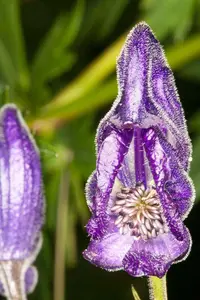
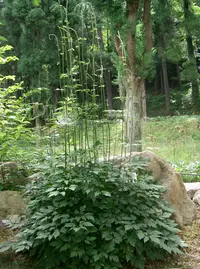
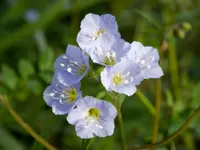
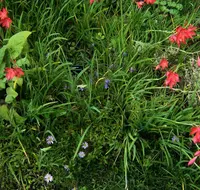
Greek valerian, Polemonium reptans, is a low-growing woodland perennial valued for its delicate clusters of blue, bell-shaped flowers and soft, fern-like foliage. It typically forms loose clumps that slowly spread, creating a gentle groundcover effect.

This species is native to eastern North American woodlands, where it thrives in partial shade and moist, humus-rich soil. Its cool-season growth and preference for consistent moisture make it best suited to sheltered garden spots rather than hot, exposed sites.

Gardeners who learn how to care for Greek valerian usually find it manageable, provided its need for shade and steady moisture is respected. It suits shaded borders, naturalized woodland gardens, and areas under deciduous trees.

Main Plant Requirements

Care Difficulty

Moderate Care

Light Preference

Partial Shade

Water Requirements

Regular Water

Temperature Preference

Cold Hardy

Hardiness Zone

3–8

Soil Texture

Loamy, Silty, Organic-rich

Soil pH

Acidic (5.5–6.5), Slightly acidic (6.5–7.0)

Soil Drainage

Moist but well-drained

Fertilization

Minimal (feed rarely)

Get Personalized Care Plan

Scan your plant to receive care tips personalized for your specific plant

Available on iOS and Android

How to Care for the Greek valerian

Polemonium reptans prefers soft, woodland-style light rather than harsh, open exposure.

  • Aim for bright dappled shade or morning sun with afternoon shade, about 3–5 hours of direct light per day.
  • Greek valerian tolerates full shade, but flowering and compact growth improve with light filtered through trees or shade cloth.
  • Avoid strong midday sun, which can scorch foliage and dry soil quickly, especially in summer; add shade in late spring as the sun intensifies.

Polemonium reptans needs evenly moist but not waterlogged soil throughout the growing season.

  • Water when the top 2–3 cm of soil feel dry, then soak the root zone thoroughly and allow excess water to drain away.
  • In spring and early summer, check moisture more often; reduce watering in late summer and fall as growth slows and rainfall often increases.
  • Watch for yellowing, limp leaves as a sign of overwatering and crisp, drooping foliage as a sign the plant has been too dry.

This woodland perennial prefers cool to mild conditions and dislikes extreme heat.

  • Ideal growing temperatures are 55–75°F (13–24°C), with the best flowering in the cooler part of this range.
  • The plant is hardy in-ground to about -20°F (-29°C) when established, dying back to the crown and returning in spring.
  • Heat above 85°F (29°C), especially with full sun and dry soil, stresses plants; provide shade, mulch, and consistent moisture during hot spells.

This woodland perennial prefers moderate air moisture and usually copes with typical home and outdoor conditions.

  • Aim for 40–60% humidity, similar to a mild woodland understory where Greek valerian naturally grows.
  • Tolerates short spells of drier air, but prolonged very dry indoor heating can crisp leaf edges.
  • Watch for brown, papery tips and slowed growth as signs of low humidity stress.
  • Increase humidity locally with grouped plants or a pebble tray instead of misting, which dries too quickly.

This species grows best in loose, humus-rich ground that stays evenly moist but not waterlogged.

  • Use a loamy mix with high organic matter, such as garden loam blended with leaf mold or compost for Polemonium reptans.
  • Ensure drainage by adding 15–25% coarse sand or fine grit so water moves through and roots receive oxygen.
  • Target slightly acidic to neutral pH around 6.0–7.0, which supports nutrient uptake and healthy root function.
  • Avoid compacted clay, standing water, and very dry, rocky substrates, which restrict roots and cause stress or root rot.

This plant is suitable for cool, moist containers when its shallow, fibrous roots are accommodated.

  • Choose a wide, relatively shallow pot to match the spreading root system and reduce soil staying wet in the center.
  • Select a heavier material such as ceramic or clay outdoors to keep the container stable against wind and uneven growth.
  • Raise the pot on feet or bricks so drainage holes stay clear and excess water exits quickly after rain or watering.

Polemonium reptans benefits from light feeding in nutrient-poor soils but does not need heavy fertilization.

  • Apply a balanced, diluted liquid fertilizer (for example 10-10-10 at 1/2 strength) every 4–6 weeks during spring–early summer.
  • Use a thin layer of compost around the root zone in spring instead of frequent synthetic feeding.
  • Stop feeding Greek valerian by late summer to allow natural hardening before winter dormancy.
  • Avoid high-nitrogen products that push soft foliage over flowers and rinse soil if leaf tips brown.

Pruning of Polemonium reptans is mainly done to tidy plants and support repeat flowering.

  • Cut back spent flower stems in late spring–early summer to encourage a neater mound and possible light rebloom.
  • Remove dead, damaged, or badly spotted leaves at any time using clean, sharp scissors or hand pruners.
  • Lightly shear untidy clumps to promote fresh foliage, but avoid cutting into the crown at soil level.
  • In late fall, trim collapsed stems close to the ground, leaving the root system undisturbed for regrowth.

Polemonium reptans is usually grown in the ground; focus on careful transplanting rather than frequent repotting.

  • Transplant in early spring or early fall when temperatures are mild and soil is evenly moist.
  • Move clumps only every several years, when flowering declines, centers thin, or plants outgrow their space.
  • Lift the clump with a wide soil ball to limit root disturbance, then replant at the same depth in well-drained soil.
  • Water thoroughly after transplanting, provide light shade for a week, and keep soil evenly moist to reduce stress.

Polemonium reptans is commonly propagated by division or seed in home gardens.

  • Divide mature clumps in early spring or early fall, cutting sections with several shoots and healthy roots.
  • Replant divisions promptly in moist, humus-rich soil and keep shaded until established.
  • Sow fresh seed in fall outdoors for natural cold stratification, or pre-chill seed 4–6 weeks before spring sowing.
  • Maintain lightly moist soil and cool temperatures to support steady germination and reduce fungal issues.

This woodland perennial is generally cold hardy and needs minimal winter care in the ground.

  • Tolerates typical winters in USDA zones 3–8 once established, with crowns surviving soil freezing.
  • After hard frost, allow foliage to die back, then cut it close to ground level if desired.
  • Apply a 3–5 cm layer of leaf mold or bark mulch over the root zone to moderate freeze–thaw cycles.
  • For container plants in cold climates, move pots into a sheltered, unheated but frost-moderated area.

Care Tips

Use light mulch

Apply a thin 2–3 cm layer of shredded leaves or fine bark around clumps in spring to keep roots cool, conserve moisture, and reduce weed competition without burying the crowns.

Stage shade support

In hotter regions, plant on the east or north side of a shrub or open tree canopy so the emerging foliage gets bright spring light but is naturally shaded by developing leaves later in the season.

Encourage gentle reseeding

Allow some spent flower stems to remain until seeds darken and begin to drop, then lightly rake the soil surface so seeds make good contact and can form small naturalistic colonies over several years when growing Greek valerian.

Divide only when sparse

Inspect clumps every 3–4 years and divide in early spring only if flowering declines or the center dies out, splitting into several small sections with healthy buds and replanting them at the original soil depth.

Monitor slug pressure

Place simple slug traps or rough barriers (such as crushed gravel bands) around emerging foliage in early spring if slug damage is common in your garden, and remove hiding spots like dense debris very close to the crowns.

Common Pests and Diseases

Powdery mildew

This disease causes a white, powdery coating on leaves, especially in crowded, shaded, or humid plantings. Symptoms include distorted new growth and gradual decline in vigor.

Solution

Improve air circulation by thinning nearby plants and avoid overhead watering, especially late in the day. Remove and discard heavily infected foliage, then apply a sulfur or potassium bicarbonate fungicide labeled for ornamental perennials if conditions stay humid.

Leaf spot

This disease produces small brown, tan, or dark purple spots on leaves that may merge into larger blotches, causing premature yellowing and drop. Symptoms include a patchy, unsightly canopy and reduced flowering over time.

Solution

Remove and dispose of affected leaves to reduce inoculum, and water at soil level to keep foliage dry. If spotting is persistent, use a copper- or chlorothalonil-based fungicide labeled for ornamentals and avoid overhead irrigation during cool, wet periods as part of basic Polemonium reptans plant care.

Slugs and snails

These pests chew irregular holes in leaves, often starting on tender new growth and lower foliage. Symptoms include ragged leaf edges, missing sections between veins, and slime trails on or near the plant.

Solution

Hand-pick slugs and snails in the evening, and use slug traps or iron phosphate bait placed around but not directly on the crowns. Reduce hiding places by removing dense mulch mats and debris, keeping a thin, even mulch layer instead.

Aphids

These insects cluster on stems and the undersides of leaves, sucking sap and causing curled, sticky, and sometimes yellowing foliage. Symptoms include distorted flower stalks and the presence of honeydew that may lead to sooty mold growth.

Solution

Spray colonies off with a strong stream of water, focusing on leaf undersides and tight growth points. For persistent infestations, treat with insecticidal soap or a horticultural oil, applied in the early morning or evening to avoid leaf burn.

Interesting Facts

Early spring nectar source

This species flowers in early to mid spring and provides an important nectar and pollen source for emerging bees and early-season pollinators in deciduous woodlands.

Deciduous woodland specialist

It naturally occurs on moist, humus-rich soils in eastern North American deciduous forests, often along stream banks and in floodplain woods where spring light reaches the forest floor before trees fully leaf out.

Distinctive laddered leaves

Its common name, Greek valerian, comes from its pinnate leaves with many small, opposite leaflets that resemble the rungs of a ladder, giving the whole plant a finely textured appearance on the forest floor.

Botan icon

Did you know?

Unlike many garden perennials bred for showy flowers, this species retains a relatively delicate, wild-type floral structure that is particularly well suited to short-tongued native bees, which can easily access its shallow, bell-shaped blue blossoms.

FAQs about Greek valerian

Lack of flowering usually comes from too much shade, overly rich nitrogen fertilizer, or plants that are still immature. Ensure moderate light, avoid high-nitrogen feeds, keep soil evenly moist, and deadhead spent blooms to encourage more buds.

Grow Healthy Plants with Botan Care

Keep your plants happy and healthy with plant identification, disease detection, and easy care guidance.

Botan plant care app — identify plants on mobile

Explore More Plants