winter savory Care (Satureja montana)

Also known as: perennial savory
winter savory

About winter savory

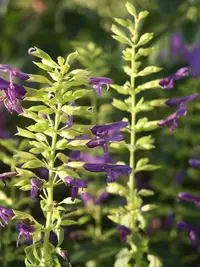
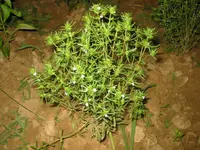
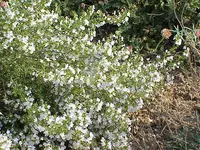
Winter savory, Satureja montana, is a woody, evergreen perennial herb from the Mediterranean region. It belongs to the mint family and is grown mainly for its aromatic leaves. Plants form low, bushy clumps with narrow, dark green leaves and small white to pale pink flowers that attract pollinators. The foliage has a strong, spicy scent and flavor. This herb is generally easy to grow in well-drained, relatively poor soils and sunny positions. It tolerates drought once established but dislikes waterlogged conditions, which helps explain how to care for winter savory in most gardens and containers.

Main Plant Requirements

Care Difficulty

Easy Care

Light Preference

Full Sun

Water Requirements

Low Water

Temperature Preference

Cold Hardy

Hardiness Zone

5–8

Soil Texture

Sandy, Loamy, Rocky

Soil pH

Slightly acidic (6.5–7.0), Slightly alkaline (7.0–7.5)

Soil Drainage

Well-drained

Fertilization

Minimal (feed rarely)

Get Personalized Care Plan

Scan your plant to receive care tips personalized for your specific plant

Available on iOS and Android

How to Care for the winter savory

This evergreen herb thrives in bright, open conditions with plenty of direct light.

  • Provide 6–8 hours of direct sun daily; full sun promotes dense growth and strong flavor in winter savory.
  • Allow light afternoon shade in hotter regions to reduce leaf scorch and soil moisture loss, especially in midsummer.
  • In winter, lower sun angles are acceptable, but avoid deep shade; plants grown in less than 4 hours of sun become leggy and less aromatic.

This drought-tolerant Mediterranean shrub prefers infrequent, light watering once established.

  • Water only when the top 3–5 cm of soil feels completely dry; in most outdoor beds this means waiting several days or more between waterings.
  • Use sharply drained, gritty soil so excess water runs off quickly; soggy conditions cause root rot and yellowing leaves in Satureja montana.
  • During cooler months reduce watering further, watching for drooping, crisp leaves as a sign of underwatering and blackened, mushy stems as a sign of overwatering.

This hardy subshrub tolerates a wide temperature range but performs best in mild conditions.

  • Aim for 65–80°F (18–27°C) during active growth for compact, healthy foliage and good essential oil production.
  • Mature plants can survive down to about 0°F (−18°C) with good drainage, but repeated freeze–thaw cycles in wet soil increase root damage risk.
  • In hot summers above 90°F (32°C), provide afternoon shade and consistent soil drainage to limit stress, especially for newly planted specimens.

This Mediterranean subshrub prefers relatively dry air and usually does not need special humidity management indoors.

  • Aim for 30–50% humidity, similar to most heated or air‑conditioned homes, to match its native dry hillside conditions.
  • Plants tolerate short periods of drier air, but prolonged humidity above 60% raises the risk of fungal leaf spots and stem rot.
  • If air is very humid, improve air movement with a small fan and avoid crowding winter savory with dense foliage from other plants.

This species needs lean, fast-draining mineral soil to stay healthy and aromatic.

  • Use a gritty, sandy or stony loam with low to moderate organic matter; a heavy peat-based mix holds too much water for Satureja montana.
  • Blend roughly 50–60% general potting mix with 40–50% coarse sand, fine gravel, or perlite to improve drainage and root aeration.
  • Keep soil slightly alkaline to neutral, around pH 7.0–8.0, which supports stronger growth and better essential oil production.
  • Avoid compacted, clay-rich, or waterlogged ground; raise the planting area with a gravelly mound or low rock border where natural drainage is poor.

This species grows very well in containers, especially in sunny, dry locations.

  • Choose a pot at least 20–25 cm wide to allow its woody base and spreading stems to anchor without becoming root-bound too quickly.
  • Select unglazed terracotta if outdoor rainfall is frequent, since the porous walls help excess moisture evaporate from the root zone.
  • Place the container where wind exposure is moderate so the top growth can spread without the pot tipping during strong gusts or storms.

This woody Mediterranean herb needs modest feeding in containers but often thrives in the ground with minimal fertilizer.

  • Use a balanced liquid fertilizer (around 10-10-10) at 1/2 strength for potted winter savory during active growth.
  • Feed every 4–6 weeks in spring and summer; skip or greatly reduce feeding in fall and winter.
  • Alternatively, top-dress with a thin layer of compost in spring for slow, gentle nutrition.
  • Avoid high-nitrogen products that push soft, leafy growth at the expense of aroma and resilience.

Thoughtful pruning keeps Satureja montana compact, productive, and well-shaped.

  • Use clean, sharp scissors or hand pruners at the end of flowering or early spring.
  • Remove dead, damaged, and crossing stems to open the center and improve air flow.
  • Lightly trim back soft tips by 1/3 to maintain a dense, bushy habit and encourage new shoots.
  • Avoid cutting into very old, woody stems that show no green tissue, as they may not reshoot.

This species is often grown in the ground, but container plants or young starts may need occasional transplanting.

  • Check for roots circling the pot, slow growth, or rapid drying soil as signs a move is needed.
  • Transplant in spring after frost risk, usually every 2–3 years for containers or when plants outgrow their space.
  • Shift into a pot only 2–5 cm wider, using well-drained, gritty mix to limit waterlogging stress.
  • Water thoroughly after transplanting, then keep soil lightly moist and shaded for a few days to help roots re-establish.

Satureja montana is commonly multiplied by cuttings, division, and seeds for kitchen and ornamental use.

  • Take 7–10 cm semi-ripe cuttings in late spring or summer and root in a free-draining, slightly moist mix.
  • Provide bright, indirect light and 65–75°F for steady rooting, avoiding waterlogged conditions.
  • Divide mature clumps in early spring, replanting sections promptly at the same depth.
  • Sow seeds on the surface of light soil in spring, keep just moist, and maintain warmth for germination.

This hardy subshrub tolerates moderate frost but benefits from simple winter preparation in colder regions.

  • In-ground plants usually overwinter in USDA zones around 6–8 with minimal intervention.
  • Apply a 3–5 cm mulch layer around, not on, the woody crown to buffer freeze–thaw cycles.
  • Leave most stems standing until late winter to shield lower growth, then tidy in early spring.
  • For pots, move containers to a sheltered, unheated space to limit root freezing and excess winter wet.

Care Tips

Encourage Woody Structure

Lightly pinch back soft tips on young plants in early summer to encourage a low, woody framework that better resists wind and winter damage.

Renew Aging Clumps

Every 3–4 years, lift and divide older plants in early spring, replanting only the healthiest outer sections to maintain vigor and aromatic leaf production.

Improve Winter Drainage

In cold, wet climates, create a 5–10 cm gravelly mound or raised strip so roots sit slightly elevated, which greatly reduces crown rot over winter.

Harvest For Density

Time heavier harvests for just before flowering and always cut stems above a pair of leaves, which both preserves the woody base and promotes dense new shoots when growing winter savory.

Plan For Propagation

Take semi-ripe stem cuttings in mid to late summer and root them in a very free-draining, low-peat mix so you always have young replacement plants ready if winter losses occur.

Common Pests and Diseases

Aphids

This pest feeds on tender shoots and flower stems, sucking sap and causing curling or distortion of young growth. Symptoms include sticky honeydew and sometimes sooty mold on leaves and stems.

Solution

Spray plants with a firm stream of water to dislodge colonies, then treat remaining insects with insecticidal soap or a neem oil spray, ensuring good coverage of shoot tips and stem nodes. Encourage natural predators such as lady beetles by avoiding broad-spectrum insecticides and keeping the herb bed diverse when growing winter savory.

Spider mites

These insects are tiny sap feeders that thrive in hot, dry conditions and can cause fine stippling, dull foliage, and delicate webbing between stems and leaves. Symptoms include gradual yellowing and reduced vigor, especially on container plants kept very dry.

Solution

Increase humidity around the plant slightly, then wash stems and leaves thoroughly with lukewarm water to remove mites and webbing. Follow up with repeated applications of insecticidal soap or horticultural oil, applied to both upper and lower leaf surfaces every 5–7 days until new growth appears clean.

Leaf spot

This disease causes small brown to dark purple lesions on leaves, which may expand and merge, leading to partial defoliation in humid weather. Symptoms include a patchy, thinned canopy and reduced aromatic foliage quality.

Solution

Prune out and discard heavily affected shoots and any fallen leaves to reduce inoculum. Improve airflow by thinning dense growth, avoid overhead watering, and if outbreaks are persistent, apply a suitable copper-based or sulfur-based fungicide labeled for herbs, following label intervals closely.

Powdery mildew

This disease produces white to gray powdery patches on leaves and young stems, often starting in shaded, crowded parts of the plant. Symptoms include distorted new growth and a general decline in plant vigor if the infection is heavy.

Solution

Remove and discard the most affected shoots to open the plant, then improve light exposure and air movement around the clump. Use a preventive fungicidal product approved for edible herbs, such as a potassium bicarbonate or sulfur spray, applying at the first sign of the white coating and repeating as directed on the label.

Root-knot nematodes

These soil-dwelling microscopic worms attack the roots, causing galls or swellings, stunted plants, and poor response to watering and fertilizing. Symptoms include weak, sparse growth even when light and care conditions are correct, especially in sandy, infested soils.

Solution

Remove and destroy severely affected plants and avoid replanting Satureja montana in the same spot immediately. Improve soil health with organic matter, practice crop rotation with non-host plants, and consider using resistant cover crops or soil solarization during warm months to reduce nematode populations before replanting.

Interesting Facts

Natural insect deterrent

Winter savory leaves contain high levels of phenolic compounds such as carvacrol and thymol, which make the plant strongly aromatic and can deter some herbivorous insects in its native rocky habitats.

Adapted to dry limestone

This species is naturally found on dry, calcareous slopes and rocky outcrops in southern Europe, where its deep, woody root system and small, tough leaves reduce water loss and allow it to withstand intense sun and poor, alkaline soils.

Late-season pollinator resource

Winter savory flowers from late summer into autumn, providing nectar and pollen for bees and other pollinators at a time when many other Mediterranean herbs have already finished flowering.

Botan icon

Did you know?

Winter savory has a long documented history in European cuisine dating back to classical antiquity, where it was cultivated by the ancient Romans as an essential seasoning herb for bean and meat dishes and later became a standard component of traditional herb blends in several regional food cultures.

FAQs about winter savory

Lack of flowers usually comes from insufficient light, overly rich or high‑nitrogen soil, or heavy pruning at the wrong time. Older, woody stems also flower less, so periodic renewal pruning helps maintain strong, flowering shoots.

Grow Healthy Plants with Botan Care

Keep your plants happy and healthy with plant identification, disease detection, and easy care guidance.

Botan plant care app — identify plants on mobile

Explore More Plants