Staggered Succession Sowing
Sow small batches every 2–3 weeks from late spring to mid-summer so flowering and leaf quality stay high and you always have young, tender growth for harvest.

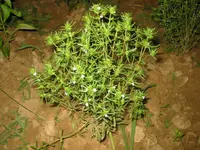
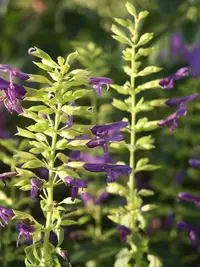
Summer savory, Satureja hortensis, is a fast-growing annual herb in the mint family, valued for its aromatic leaves and culinary use. It forms low, bushy clumps with slender stems and narrow green leaves, often dotted with small pale flowers in summer.
This species is native to the eastern Mediterranean and western Asia but is widely grown in herb gardens in temperate regions. It is generally easy to grow, as long as it receives plenty of sun, good drainage, and moderate moisture.
Gardeners who learn how to care for summer savory usually find it productive and reliable through a full warm season.

Care Difficulty
Easy Care

Light Preference
Full Sun

Water Requirements
Moderate Water

Temperature Preference
Tropical / Frost Sensitive

Hardiness Zone
2–11

Soil Texture
Sandy, Loamy, Organic-rich

Soil pH
Slightly acidic (6.5–7.0), Neutral (7.0)

Soil Drainage
Well-drained

Fertilization
Minimal (feed rarely)
Scan your plant to receive care tips personalized for your specific plant
Available on iOS and Android
This annual herb needs strong sun to produce dense, flavorful foliage.
This plant prefers slightly dry conditions and is sensitive to waterlogged soil.
This fast-growing annual thrives in warm, frost-free conditions.
This species prefers relatively dry air and does not require elevated humidity.
This species prefers light, well-drained, slightly to moderately fertile soil.
This species grows well in containers when drainage and root space are managed carefully.
This fast-growing annual herb benefits from light, targeted feeding during its short season.
Satureja hortensis responds well to light, frequent cutting that maintains bushy, productive growth.
This annual herb is usually transplanted outdoors rather than repotted long-term.
New Satureja hortensis plants are most commonly raised from seed each year.
This species is a frost-tender annual that usually completes its life cycle before winter in temperate climates.

Plant Health Check
Not sure what's wrong with your plant? Check your plant's health inside the app.
Cultivated summer savory includes early, fast-flowering forms and later, more compact forms that stay leafy longer, so seed catalogs often distinguish between types selected for leaf harvest or for seasoning blends.
The leaves contain essential oils rich in carvacrol and thymol, the same main compounds found in thyme and oregano, which explains its strong, peppery flavor and use as a robust culinary herb.
In parts of the Balkans, especially Bulgaria, summer savory is a key component of the spice mix called sharena sol, where it is combined with paprika and salt and used daily at the table.

Archaeobotanical evidence from ancient Roman sites indicates that summer savory was cultivated and traded as a valued kitchen herb, and Roman authors like Pliny the Elder described it among standard herbs of household gardens.
The leaves and tender stems are edible and widely used fresh or dried as a culinary herb. They add a peppery, savory flavor to beans, meats, vegetables, and stuffing, and are safe in normal food quantities.
Keep your plants happy and healthy with plant identification, disease detection, and easy care guidance.