Staggered Succession Sowing
Sow small batches every 3–4 weeks from spring to midsummer so flowering and leaf production stay continuous rather than peaking all at once.

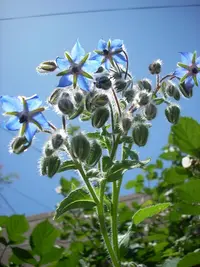
Common borage, Borago officinalis, is an annual herb grown for its star-shaped blue flowers and softly bristled, aromatic leaves. It often reaches a medium height with a loose, upright habit and tends to self-seed, forming informal patches over time. Native to the Mediterranean region, it now grows widely in gardens and disturbed soils in many temperate areas. The plant is generally robust and forgiving, which makes it straightforward for gardeners learning how to care for common borage. It prefers sunny positions, moderate moisture, and well-drained soil, but usually tolerates less-than-ideal conditions without much trouble.

Care Difficulty
Easy Care

Light Preference
Full Sun

Water Requirements
Moderate Water

Temperature Preference
Cool Climate

Hardiness Zone
3–10

Soil Texture
Sandy, Loamy, Organic-rich

Soil pH
Slightly acidic (6.5–7.0), Neutral (7.0)

Soil Drainage
Well-drained

Fertilization
Minimal (feed rarely)
Scan your plant to receive care tips personalized for your specific plant
Available on iOS and Android
This annual herb prefers full sun but tolerates light shade in hot regions.
This fast-growing herb prefers evenly moist, well-drained soil without prolonged drying or waterlogging.
This hardy annual prefers mild conditions but tolerates a broad outdoor temperature range.
Humidity is not a significant factor for this species in typical home or outdoor conditions.
This species prefers loose, well-drained ground that does not stay waterlogged.
This plant can grow in containers if the pot is large and stable enough to support its tall, spreading habit.
Borago officinalis grows well in average garden soil and usually needs only light feeding.
Pruning helps keep Borago officinalis productive, compact, and cleaner in appearance.
This species is usually grown as a direct-sown annual, so transplanting matters more than long-term repotting.
Most Borago officinalis plants are raised from seed, which germinates reliably under simple conditions.
Borage is usually treated as an annual and needs little winter care once frost kills top growth.

Plant Health Check
Not sure what's wrong with your plant? Check your plant's health inside the app.
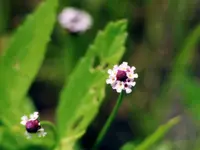
The plant produces distinctive, pentagon-shaped blue flowers with prominent black anthers, which are highly attractive to bees and other pollinators and provide nectar over a relatively long flowering season.
Its leaves and young stems have a mild cucumber-like scent and flavor due to volatile compounds, which has led to traditional use of fresh foliage in salads and summer drinks in parts of Europe.
Although often grown as an annual, the plant readily drops viable seeds that germinate around the parent plant, allowing it to reappear for many years in suitable garden conditions without replanting.

In traditional European cottage gardens, this species was commonly planted near vegetable beds because its abundant nectar and extended bloom were believed to enhance nearby crop pollination by attracting bees over a longer period each season.
Yes, both flowers and young leaves are edible and often used fresh in salads, drinks, or as garnish. Older leaves become coarse and hairy, so they are better cooked briefly or used sparingly for flavor.
Keep your plants happy and healthy with plant identification, disease detection, and easy care guidance.