larkspurleaf monkshood Care (Aconitum delphiniifolium)

Also known as: Mountain Monkshood
larkspurleaf monkshood

About larkspurleaf monkshood

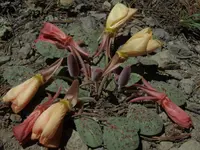
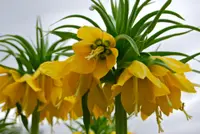
Larkspurleaf monkshood (Aconitum delphiniifolium) is a hardy, herbaceous perennial known for its tall spikes of hooded blue to violet flowers and deeply divided leaves. It forms upright clumps that bring strong vertical lines to cool-climate borders and naturalistic plantings.

This species is native to subalpine and alpine regions of Alaska and parts of northwestern North America, where it grows in moist meadows and open woodlands. Its preference for cool summers, consistent moisture, and well-drained, humus-rich soil makes it best suited to cooler regions. Understanding these conditions is key to how to care for larkspurleaf monkshood and keep it long-lived in the garden.

Main Plant Requirements

Care Difficulty

Moderate Care

Light Preference

Partial Shade

Water Requirements

Regular Water

Temperature Preference

Cold Hardy

Hardiness Zone

3–7

Soil Texture

Loamy, Silty, Organic-rich

Soil pH

Acidic (5.5–6.5), Slightly acidic (6.5–7.0)

Soil Drainage

Moist but well-drained

Fertilization

Minimal (feed rarely)

Get Personalized Care Plan

Scan your plant to receive care tips personalized for your specific plant

Available on iOS and Android

How to Care for the larkspurleaf monkshood

This cool-climate perennial prefers bright, gentle light rather than intense midday sun.

  • Provide 4–6 hours of sun daily, favoring morning sun with light afternoon shade, especially in warmer regions.
  • Plant larkspurleaf monkshood where it receives dappled or filtered light under taller plants or open shrubs to prevent leaf scorch.
  • In hot summers, increase shade during the strongest sun (11 a.m.–3 p.m.); in cooler or northern climates, it can tolerate near full sun if soil stays moist.

This species prefers evenly moist, cool soil and dislikes both drought and standing water.

  • Water when the top 3–5 cm of soil feels slightly dry, then soak thoroughly so moisture reaches the deeper root zone.
  • Ensure soil is humus-rich and drains well; pooling water or a sour smell indicates poor drainage and a risk of root rot in Aconitum delphiniifolium.
  • In summer heat, monitor for drooping leaves or dry edges as signs of underwatering; in cooler seasons, reduce frequency but avoid letting soil dry out completely.

This hardy perennial is adapted to cool, short-summer climates.

  • Active growth is best at 55–70°F (13–21°C), with strong stems and flowers forming well in consistently cool conditions.
  • Established plants tolerate down to about -30°F (-34°C) with mulch, making them suitable for many cold-winter climates.
  • Heat above 80°F (27°C), especially with dry soil, can stress plants; provide shade, maintain soil moisture, and use mulch during hot spells to protect roots.

This species handles a wide humidity range and usually does not need special humidity management outdoors.

  • Target 40–60% humidity; brief drops lower are tolerated without major stress.
  • Dry indoor air below 30% may cause marginal leaf browning and slower growth in larkspurleaf monkshood.
  • If grown indoors, group plants or place trays with water and stones nearby to slightly raise local humidity.

This species prefers cool, moist yet free-draining soil with moderate fertility.

  • Use a deep, loamy structure with 40–60% garden loam, 20–30% compost, and 10–20% coarse sand or fine grit for drainage.
  • Maintain soil that drains within a few minutes after watering; avoid waterlogged, compacted, or heavy clay that stays sticky.
  • Aim for slightly acidic to neutral pH around 6.0–7.0 to support nutrient uptake in Aconitum delphiniifolium.
  • In heavy ground, incorporate coarse sand or fine bark to improve aeration around the tuberous roots and reduce rot risk.

This species can be grown in containers if the pot is deep, stable, and drains efficiently.

  • Choose a tall, heavy container that resists tipping, as flowering stems become relatively top-heavy in wind.
  • Use a gritty, moisture-retentive mix and raise the pot on feet or bricks so drainage holes never sit in standing water.
  • Select a pot at least 30 cm deep to keep the root zone cool and shaded while foliage remains in brighter exposure.

This hardy perennial needs only light feeding, as larkspurleaf monkshood performs well in reasonably fertile soil.

  • Apply a balanced slow-release fertilizer (such as 10-10-10) at half strength once in early spring as new growth emerges.
  • On poor soils, work a thin layer of compost into the top 2–3 in to support steady growth and flowering.
  • Avoid midsummer and late-season feeding, which can cause weak, lush growth prone to flopping or disease.
  • Do not fertilize during winter dormancy; keep soil just moist, not enriched, until growth resumes.

Pruning Aconitum delphiniifolium is minimal and focuses on hygiene and maintaining a tidy clump.

  • Cut back spent flower spikes to just above a strong leaf pair after blooming to encourage a neater shape.
  • Remove dead, damaged, or diseased stems at the base in late fall or very early spring using clean, sharp pruners.
  • Thin out the weakest or most crowded stems in spring to improve air flow and reduce fungal disease risk.
  • Wear gloves and avoid skin contact with sap, as all parts of the plant are toxic.

This species is usually grown in the ground and dislikes disturbance, so transplant only when clearly necessary.

  • Look for signs such as stunted growth, clumps heaving out of soil, or congested crowns before deciding to transplant.
  • Plan moves for early spring or early fall, aiming for cool, moist weather to reduce stress on roots and shoots.
  • Lift with a wide root ball, keep soil around roots intact, and replant at the same depth in well-drained, humus-rich soil.
  • Water thoroughly after transplanting, then keep evenly moist and shaded from harsh sun for 1–2 weeks while roots re-establish.

Aconitum delphiniifolium is propagated mainly by careful division or seed, but handling must account for its toxicity.

  • Divide mature clumps in early spring or early fall, keeping divisions large to reduce shock and replant immediately.
  • Sow fresh seed in pots outdoors in fall; natural winter chilling improves germination in spring.
  • Use moist, well-drained, humus-rich mix and keep containers in bright shade with steady moisture, not waterlogging.
  • Always wear gloves and wash tools and hands after handling roots, stems, or seeds.

This is a cold-hardy perennial that usually overwinters well in-ground with modest preparation in temperate climates.

  • In late fall, allow stems to die back naturally, then cut them to ground level once fully brown.
  • Apply a 5–7 cm layer of mulch over the root zone in cold regions to buffer freeze–thaw cycles.
  • For container plants, move pots to a sheltered, unheated but frost-free spot or insulate containers to protect roots.

Care Tips

Secure Sturdy Supports

Install slim bamboo canes or a low wire grid when shoots reach 15–20 cm, then loosely tie stems with soft garden ties so tall spikes stay upright and do not snap in wind or heavy rain.

Cool Root Mulching

Apply a 5–8 cm layer of shredded bark or leaf mold around, but not touching, the crowns to keep roots cool, conserve moisture, and reduce summer stress that can shorten the flowering period when growing larkspurleaf monkshood.

Careful Division Timing

Divide and replant only mature, congested clumps in early spring while shoots are just emerging, working quickly and rewatering well so the plant re-establishes before warm weather.

Safe Handling Protocol

Wear nitrile or latex gloves and long sleeves when cutting, dividing, or pulling old stems, then wash tools and hands immediately afterward to avoid contact with the plant’s toxic sap.

Flower Spike Management

After the main flush, deadhead spent flower spikes down to a strong side shoot to improve appearance and sometimes encourage a lighter second bloom, but leave a few stems if seed collection is desired.

Common Pests and Diseases

Powdery mildew

This disease causes a white, powdery coating on leaves, stems, and sometimes flower stalks, especially in humid but not overly wet conditions. Symptoms include distorted growth and reduced flowering if the infection becomes heavy.

Solution

Remove and discard heavily infected leaves to reduce spore load, and avoid overhead watering so foliage dries quickly. Improve air circulation by thinning nearby plants, water at soil level, and if needed apply a sulfur or potassium bicarbonate fungicide labeled for ornamentals according to label directions.

Downy mildew

This disease appears as yellowish or pale patches on the upper leaf surface with a grayish or purplish downy growth on the undersides, often in cool, moist weather. Symptoms include leaf drop and a generally weakened plant if conditions stay wet.

Solution

Remove and destroy affected foliage promptly and avoid wetting leaves when irrigating. Increase spacing, improve airflow, and in climates with recurring issues use a copper-based fungicide preventively at the start of cool, damp periods as part of broader Aconitum delphiniifolium care.

Leaf spots (fungal)

This disease group causes small brown, tan, or black spots that may merge into larger dead areas on older leaves. Symptoms include premature yellowing and shedding of the most affected foliage.

Solution

Pick off and dispose of spotted leaves and keep the area around the plant free of fallen debris to limit reinfection. Water early in the day at soil level, avoid crowding, and where infections are persistent consider a labeled ornamental foliar fungicide applied at the first sign of spotting.

Aphids

These insects cluster on tender stems, buds, and the undersides of leaves, sucking plant sap and excreting sticky honeydew. This pest can cause curling leaves, distorted flower spikes, and may encourage sooty mold growth on the honeydew.

Solution

Dislodge colonies with a strong stream of water and clip off badly infested shoot tips. If pressure remains high, use insecticidal soap or a light horticultural oil, coating all leaf surfaces and repeating as directed while protecting beneficial insects as much as possible.

Slugs and snails

These pests feed on young leaves and shoots, leaving irregular holes and slime trails, particularly in cool, damp conditions around emerging growth. Symptoms include shredded foliage and slowed early-season growth on outdoor plants.

Solution

Hand-pick slugs and snails in the evening, reduce hiding places such as dense mulch and debris, and use iron phosphate bait around plants according to label directions. Copper tape barriers or coarse, dry mulches can also help limit damage near vulnerable new shoots.

Interesting Facts

Subarctic wildflower specialist

This species is native to subarctic and boreal regions of Alaska and adjacent northeastern Asia, where it grows in moist meadows, open tundra, and along stream banks in cold-summer climates.

Deeply larkspur-like foliage

Its leaves are finely divided into many narrow lobes that resemble those of true larkspurs (genus Delphinium), which is reflected in the common name larkspurleaf monkshood.

Helmet-shaped blue flowers

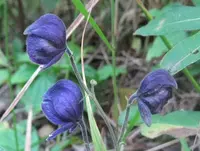
The plant produces loose clusters of blue to violet, helmet-shaped flowers in summer, with the upper sepal forming a hood that conceals modified petals adapted for pollinators such as bumblebees.

Botan icon

Did you know?

Like other monkshoods, this species contains potent diterpenoid alkaloids such as aconitine, and all parts of the plant are considered highly toxic if ingested or if sap contacts broken skin, which limits its use to cautious ornamental planting and scientific study rather than traditional herbal applications.

FAQs about larkspurleaf monkshood

All parts of this species are highly toxic to humans and animals if eaten, and sap can irritate skin. Always wear gloves when handling, avoid ingestion, and prevent access by children, pets, and grazing livestock.

Grow Healthy Plants with Botan Care

Keep your plants happy and healthy with plant identification, disease detection, and easy care guidance.

Botan plant care app — identify plants on mobile

Explore More Plants