Creeping wire vine Care (Muehlenbeckia axillaris)

Also known as: Creeping Wire Vine
Creeping wire vine

About Creeping wire vine

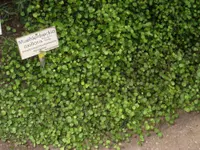
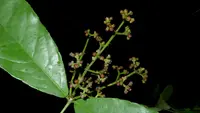
Creeping wire vine (Muehlenbeckia axillaris) is a low, mat-forming perennial often used as a groundcover or trailing accent in pots and mixed planters. It has fine, wiry, dark stems with many tiny round leaves that create a dense, textured carpet.

This species is native to New Zealand, where it grows in rocky, open habitats, so it tends to be tough and adaptable in cultivation. It tolerates light foot traffic, recovers well from trimming, and copes with a range of temperatures, which makes it relatively easy to manage.

To care for Creeping wire vine, provide bright light, moderate moisture, and well-drained soil, and avoid allowing the roots to sit in water for long periods.

Main Plant Requirements

Care Difficulty

Moderate Care

Light Preference

Partial Sun

Water Requirements

Moderate Water

Temperature Preference

Cold Hardy

Hardiness Zone

6–9

Soil Texture

Sandy, Loamy, Rocky

Soil pH

Acidic (5.5–6.5), Slightly acidic (6.5–7.0)

Soil Drainage

Well-drained

Fertilization

Minimal (feed rarely)

Get Personalized Care Plan

Scan your plant to receive care tips personalized for your specific plant

Available on iOS and Android

How to Care for the Creeping wire vine

This low, scrambling groundcover thrives with bright conditions but tolerates a wide range of light outdoors.

  • Provide 4–6 hours of sun daily, ideally morning sun with light afternoon shade, especially in hotter climates.
  • Tolerates partial shade, but very dense shade causes Creeping wire vine to stretch, thin out, and develop sparse foliage.
  • In summer, protect from intense midday sun to prevent leaf scorch; in winter, slightly more direct sun helps compensate for shorter days.

This plant prefers evenly moist, fast-draining soil and reacts quickly to extremes in watering.

  • Water when the top 2–3 cm of soil feel dry, allowing the surface to dry slightly but not the entire root zone.
  • Reduce watering in cool seasons when growth slows; in hot, windy periods, check soil more often and water once the upper layer loses moisture.
  • Yellowing, soft leaves and a sour soil smell suggest overwatering and poor drainage, while crisp, browning tips and very light soil indicate underwatering in Muehlenbeckia axillaris.

This species handles a broad temperature range but grows best in mild conditions without extremes.

  • Optimal active growth occurs around 60–75°F (16–24°C), with steady growth in spring and fall when temperatures are moderate.
  • Established plants often tolerate down to about 10–15°F (-12–-9°C) with mulch, but young plants are more easily damaged by hard frost.
  • In hot weather above 85°F (29°C), growth may slow; provide extra moisture and some afternoon shade to reduce heat stress and leaf scorch.

This species prefers moderately humid air but adapts to most home conditions when watered correctly.

  • Aim for 40–60% humidity; brief dips lower are tolerated if soil moisture is consistent.
  • Tolerates average dry indoor air but may show crispy leaf edges or slowed growth under prolonged very dry conditions.
  • Increase humidity by grouping plants, placing the pot on a pebble tray with water, or running a nearby humidifier.

This plant needs loose, well-drained soil that stays evenly moist without becoming waterlogged.

  • Use a mix of 50–60% peat or coco coir with 20–30% compost and 20–30% perlite or coarse sand for a fine, airy structure.
  • Aim for slightly acidic to neutral pH around 6.0–7.0, which supports nutrient availability and root health.
  • Improve drainage and aeration by avoiding heavy clay-based mixes and adding extra perlite if the potting mix stays wet longer than 3–4 days.
  • For outdoor Muehlenbeckia axillaris, plant in loamy or sandy soil on a slope or raised area to prevent standing water around the roots.

This species is well suited to container growing, including hanging baskets and shallow wide pots.

  • Choose a wide, shallow container to accommodate its creeping habit while preventing excessive depth that can hold surplus moisture.
  • Select terracotta or other porous materials if overwatering is a risk, as these allow faster evaporation and reduce root rot likelihood.
  • Stabilize trailing growth by placing the pot where stems can drape without pulling the container over, or by weighting the base if needed.

This groundcover benefits from modest feeding during active growth but does not require heavy fertilizer input.

  • Use a balanced liquid fertilizer (around 10-10-10) diluted to 1/4–1/2 strength every 4–6 weeks in spring and summer.
  • For container plants, a slow-release balanced granular product mixed into the top layer of soil can provide steady nutrients.
  • In garden beds, a thin layer of mature compost in spring supports growing Creeping wire vine without excessive vigor.
  • Stop feeding in fall and winter to avoid weak, soft growth during low light and cooler temperatures.

Muehlenbeckia axillaris responds well to light, targeted pruning that keeps the mat dense and controlled.

  • Best time for structural pruning is late winter to early spring before strong new growth starts.
  • Trim back long, straggly stems to maintain a compact shape and prevent the plant from overrunning nearby species.
  • Remove dead, damaged, or congested stems with clean, sharp scissors or hand pruners to improve air flow.
  • Light shearing after flowering can refresh foliage and encourage a thicker, more uniform carpet of growth.

This species adapts well to containers and garden beds, but benefits from occasional repotting or transplanting to maintain vigor.

  • Check for roots circling the pot base, emerging from drainage holes, or stalled growth as signals it needs more space.
  • Plan repotting or outdoor transplanting for early spring or early fall when temperatures are mild and soil is workable.
  • Move up only 1 pot size, using a well-drained mix, and keep the root ball intact to limit disturbance.
  • Water thoroughly after moving, then keep soil slightly moist and shaded for a few days to reduce transplant stress.

This plant is commonly multiplied by stem cuttings, division, and natural layering.

  • Take 7–10 cm softwood or semi-ripe stem cuttings in late spring or summer and root them in moist, free-draining mix.
  • Maintain high humidity and bright, indirect light around cuttings, keeping the medium barely moist, not wet.
  • Lift and divide established clumps in early spring, replanting sections with healthy roots and several stems.
  • For simple layering, pin a flexible stem onto moist soil, wait for roots to form, then sever and transplant the new plant.

In many temperate regions this groundcover is fairly cold tolerant but still benefits from basic winter preparation, especially in containers.

  • In colder climates, apply a 5–7 cm mulch layer around the root zone to moderate soil temperature and moisture swings.
  • Allow top growth to brown naturally; stems may die back but roots often survive and resprout in spring.
  • Move container plants to a sheltered, frost-free but cool spot with light, such as an unheated porch or bright garage.

Care Tips

Edge Containment

Install a shallow plastic or metal edging strip 5–8 cm deep around beds or pots to keep runners from rooting into adjacent areas and to make it easier to remove unwanted spread each season.

Layering Propagation

To fill bare patches quickly, pin a healthy stem to the soil surface with a U-shaped wire or hairpin, keep that spot slightly moist for 3–4 weeks, then cut it free once roots form and replant as needed.

Traffic Management

In pathways or between stepping stones, gently lift and redirect stems off high-traffic zones every few weeks to reduce breakage and maintain an even, low carpet of growth.

Container Renewal

Every 2–3 years, slice off and discard the oldest, woody outer ring of growth when repotting, then replant the younger, flexible center sections to keep container plants dense and tidy.

Winter Performance Check

In colder zones, mark which patches stay green longest through winter, then use divisions from those areas as stock plants when growing Creeping wire vine in more exposed or challenging spots.

Common Pests and Diseases

Spider mites

This pest often appears in warm, dry indoor conditions and can cause fine webbing and tiny pale speckles on the small leaves and stems. Symptoms include dull, stippled foliage and gradual thinning of the mat-like growth.

Solution

Rinse the foliage thoroughly under a gentle shower or hose, focusing on the undersides of leaves, then repeat every few days until activity declines. Increase humidity slightly, isolate the plant, and use an insecticidal soap or horticultural oil labeled for spider mites if the infestation persists, taking care to fully wet the dense foliage mat.

Aphids

These insects gather on soft shoot tips and young stems, sucking sap and causing distorted new growth and sticky honeydew on the wiry stems. Symptoms include curling tips, reduced vigor, and sometimes black sooty mold growing on the honeydew.

Solution

Pinch or trim heavily infested shoot tips, then wash the plant with a strong but controlled stream of water to dislodge insects. If needed, apply insecticidal soap to all green tissue every 5–7 days until no new aphids appear, and reduce excess nitrogen fertilization, which encourages soft, aphid-prone growth.

Mealybugs

These insects hide in stem joints and along the wiry runners, appearing as small white cottony clusters and causing localized yellowing or dieback. This pest can spread through a dense groundcover mat or container, especially in sheltered spots or indoor displays.

Solution

Dab visible mealybugs with cotton swabs dipped in isopropyl alcohol, then rinse the plant to remove residues and hidden insects. For larger or recurring problems, use repeated treatments with insecticidal soap or a light horticultural oil, paying special attention to stem nodes and the base of the plant, and discard heavily infested containers if control is poor.

Leaf spot

This disease shows as small brown or black spots on the tiny leaves, sometimes with a yellow halo and premature leaf drop in humid, crowded plantings. Symptoms include thinning patches in the mat where many leaves have fallen away from the wiry framework.

Solution

Remove and discard affected stems and any fallen foliage from the soil surface, then improve air circulation by thinning dense patches and avoiding overhead watering late in the day. If spotting continues in wet weather, consider a labeled ornamental fungicide as a short-term measure and keep the plant on a slightly drier regimen without letting the root zone fully dry out.

Crown and stem rot

This disease develops in poorly drained or waterlogged conditions, causing blackened stem bases, sudden collapse of runners, and browning patches in the groundcover. Symptoms include easy breakage at the soil line and a soft, decayed crown area.

Solution

Cut out and discard all affected stems and runners, then improve drainage by amending heavy soil or repotting into a fast-draining mix with added grit or perlite. Reduce watering so the top layer of soil dries slightly between waterings, avoid letting containers sit in saucers of water, and consider starting new plants from healthy cuttings if the crown is badly compromised.

Interesting Facts

Native alpine wire mat

This species is native to New Zealand’s montane and subalpine regions, where it forms dense, wire-like mats that weave through rocky ground and open scrub, helping stabilize thin, erosion-prone soils.

Tiny but cold-hardy

Although the leaves are very small and delicate-looking, established plants tolerate frosts and short periods of snow in habitat and in cultivation, which makes this groundcover useful in cool-temperate rock gardens.

Specialist of harsh sites

In the wild it often colonizes disturbed, stony, and low-nutrient sites, showing a strong capacity to survive mechanical damage and drought by resprouting from its tough, wiry stems and underground parts.

Botan icon

Did you know?

In parts of New Zealand, this species is used in ecological restoration projects on degraded hillsides and road cuttings because its dense mat of wiry stems and fine roots helps bind shallow soils and slow down erosion in exposed, windy environments.

FAQs about Creeping wire vine

This species spreads quickly via fine, wiry stems and rooting nodes, forming a dense mat. In mild climates it can become difficult to control, so use edging, containers, or regular trimming to prevent unwanted spread.

Grow Healthy Plants with Botan Care

Keep your plants happy and healthy with plant identification, disease detection, and easy care guidance.

Botan plant care app — identify plants on mobile

Explore More Plants