Andalusian Pipevine Care (Aristolochia baetica)

Also known as: Andalusian Dutchman's Pipe
Andalusian Pipevine

About Andalusian Pipevine

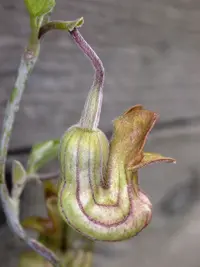
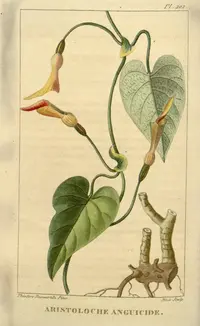
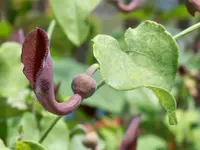
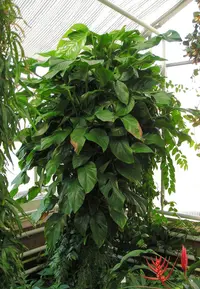
Andalusian pipevine, Aristolochia baetica, is a twining perennial vine known for its unusual curved, pipe-shaped flowers and heart-shaped, matte green leaves. It tends to climb over supports or nearby shrubs, forming a dense, somewhat tangled mass of foliage.

This species is native to the western Mediterranean region, especially Spain and surrounding areas, where it grows in scrub, rocky slopes, and light woodland. It can be moderately demanding, as it prefers mild climates, protection from harsh frost, and consistent but not excessive moisture.

Gardeners who want to care for Andalusian Pipevine should provide well-drained soil, shelter from strong winds, and light ranging from bright shade to soft, indirect sun.

Main Plant Requirements

Care Difficulty

Moderate Care

Light Preference

Partial Sun

Water Requirements

Moderate Water

Temperature Preference

Warm Climate

Hardiness Zone

9–11

Soil Texture

Sandy, Loamy, Organic-rich

Soil pH

Acidic (5.5–6.5), Slightly acidic (6.5–7.0)

Soil Drainage

Moist but well-drained

Fertilization

Minimal (feed rarely)

Get Personalized Care Plan

Scan your plant to receive care tips personalized for your specific plant

Available on iOS and Android

How to Care for the Andalusian Pipevine

This sun-loving climber prefers bright outdoor exposure without harsh extremes.

  • Provide 4–6 hours of direct morning sun plus bright filtered light for the rest of the day for best flowering of Andalusian Pipevine.
  • Tolerates light to moderate partial shade, especially in hot climates, but dense shade leads to weak, stretched growth and fewer blooms.
  • In hot summers, protect from intense afternoon sun with dappled shade to prevent leaf scorch, especially on young plants or those in very dry sites.

This vine prefers consistently moist but not waterlogged soil.

  • Water when the top 3–5 cm of soil feel dry, aiming for evenly moist soil around the root zone of Aristolochia baetica.
  • Use deep, thorough watering so moisture reaches 15–20 cm deep, then let the surface dry slightly; good drainage is essential to prevent root rot.
  • In cooler months reduce frequency as growth slows; yellowing, soft leaves indicate overwatering, while crisp, curling leaves and limp stems suggest underwatering.

This Mediterranean vine prefers mild, frost-free conditions for reliable growth.

  • Optimal growth occurs around 65–80°F (18–27°C), with active vine extension and flowering in warm, stable weather.
  • Tolerates brief drops to about 28–30°F (-2 to -1°C), but repeated frosts can damage young shoots and may kill top growth.
  • Handles dry summer heat up to 90–95°F (32–35°C) if roots are mulched and soil moisture is maintained; prolonged heat above this can cause leaf scorch and growth slowdown.

This species manages well in typical outdoor humidity but benefits from slightly moist air in dry regions.

  • Aim for 40–60% humidity, which suits Andalusian Pipevine without encouraging fungal problems.
  • Leaves curling at edges, slow growth, and browning tips indicate air that is too dry.
  • Use grouped plantings, near-ground positioning, or a nearby water feature to gently raise local humidity outdoors.

Aristolochia baetica prefers a loose, well-aerated, moderately fertile substrate.

  • Use a mix of roughly 50% loam or peat-based compost, 25% coarse sand, and 25% fine bark or perlite for drainage and structure.
  • Keep drainage sharp so water runs through quickly, preventing prolonged saturation around the roots.
  • Slightly acidic to neutral pH around 6.0–7.0 is suitable and rarely needs adjustment in most garden soils.
  • Improve heavy clay by incorporating coarse sand and grit, and avoid compacted or waterlogged planting spots.

This climber is suitable for container growing when root space and stability are carefully managed.

  • Choose a deep, heavy pot that resists tipping once the vine climbs a support or trellis.
  • Select a container slightly wider than the rootball to keep the mix from staying wet for long periods.
  • Raise the pot on feet or bricks so drainage holes stay clear and excess water escapes quickly after rain or watering.

This Mediterranean vine benefits from light feeding but does not need heavy fertilizer to grow well.

  • Apply a balanced liquid fertilizer at 1/2 strength every 4–6 weeks during spring–summer active growth.
  • Alternatively, use a thin layer of mature compost over the root zone once in spring.
  • Avoid high-nitrogen feeds, which can produce soft, weak shoots at the expense of flowers.
  • Stop feeding Andalusian Pipevine in late summer to allow growth to harden before winter.

Pruning helps keep Aristolochia baetica manageable and encourages healthy flowering growth.

  • Carry out main pruning in late winter or very early spring before new growth starts.
  • Remove dead, damaged, or congested stems back to healthy wood using clean, sharp bypass pruners.
  • Thin out older, tangled vines to improve air flow and light penetration, guiding new shoots on the support.
  • Shorten excessively long stems to maintain the desired shape and prevent the vine from smothering nearby plants.

This twining climber is usually grown in the ground, so focus on careful transplanting rather than frequent repotting.

  • Transplant in early spring or early fall when temperatures are mild and soil is workable.
  • Move plants when growth is slow, roots fill the planting area, or the site no longer provides adequate light or support.
  • Dig a wide rootball, keep as much soil attached as possible, and replant at the same depth in well-drained soil.
  • Water thoroughly after transplanting, shade for a few days if sun is intense, and keep soil evenly moist while roots re-establish.

Propagation of Aristolochia baetica is possible but slower than many common garden vines.

  • Sow fresh seeds in late winter–spring in a free-draining mix, keeping temperatures around 65–75°F and moisture even.
  • Take semi-ripe stem cuttings in late spring–summer, use rooting hormone, and place in high humidity with bright, indirect light.
  • Layer low, flexible stems by pinning them into moist soil until roots form, then sever and transplant the new plant.
  • Label young plants clearly and grow them on in containers or a nursery bed until root systems are strong enough for permanent planting.

This species is moderately frost tolerant in mild climates but benefits from some winter protection in colder areas.

  • Mulch the root zone with 5–8 cm of organic material in late fall to buffer temperature swings.
  • In regions below about 20°F, insulate the base further with leaves or straw and consider protecting lower stems.
  • Grow container plants in a sheltered spot and move them into a cool, bright, frost-free space for winter.

Care Tips

Early vine training

Install a sturdy trellis, wire, or mesh at planting time and loosely tie young shoots with soft ties so the vine quickly learns its climbing direction and does not tangle on neighboring plants.

Root zone cooling

Mulch the root area with 3–5 cm of composted bark or leaf mold to keep roots cooler in summer, reduce evaporation, and stabilize soil moisture without waterlogging.

Support inspection routine

Check anchors, ties, and trellis joints at least twice a year to tighten, replace, or reposition them before vigorous seasonal growth causes stems to rub, snap, or detach in strong winds.

Flowering wood renewal

Every 2–3 years, remove 1–3 of the oldest, least-productive stems at the base during late winter to stimulate fresh flowering shoots and maintain a manageable framework.

Targeted pest monitoring

From spring through early autumn, inspect the undersides of leaves weekly for caterpillars and sap-sucking insects and hand-pick or spot-treat early, which simplifies caring for Andalusian Pipevine and prevents defoliation before it becomes severe.

Common Pests and Diseases

Leaf miner larvae

This pest tunnels inside young leaves, creating pale, winding trails that can cause distortion and early leaf drop. Symptoms include transparent or silvery galleries and thin, blistered patches in the leaf blade.

Solution

Remove and discard affected leaves as soon as mines are seen to break the life cycle. Encourage or introduce natural predators such as parasitic wasps where possible, avoid broad-spectrum insecticides, and use a systemic insecticide or targeted spinosad product only if infestations are heavy and the vine is losing significant foliage.

Spider mites

These insects feed on the undersides of leaves, leading to fine mottling, a dull appearance, and sometimes light webbing on stems and tendrils. Symptoms include dry-looking foliage, especially during hot, dry weather or in exposed, windy sites.

Solution

Rinse foliage thoroughly with a strong but gentle stream of water, focusing on leaf undersides, and repeat several times per week until populations drop. Increase ambient humidity around the vine, improve airflow, and if needed use horticultural soap or neem oil, applied in the evening to avoid leaf scorch and to support long-term Aristolochia baetica care.

Scale insects

This pest appears as small, fixed bumps on stems and leaf midribs, often exuding sticky honeydew that can lead to sooty mold. Symptoms include weakened growth, yellowing leaves, and a tacky surface on nearby structures or plants.

Solution

Physically remove scale by gently scraping or wiping with a cotton pad dipped in diluted alcohol, then prune heavily infested twigs. Follow up with several applications of horticultural oil, coating stems and leaf bases thoroughly, and monitor new growth regularly to catch any reinfestation early.

Powdery mildew

This disease forms a white to gray powdery coating on leaves and young shoots, which may curl, yellow, or become stunted over time. Symptoms include reduced vigor and premature leaf drop, especially in shaded, humid, or poorly ventilated spots.

Solution

Increase sunlight and airflow around the vine by thinning overcrowded stems and avoiding overhead watering late in the day. Remove and discard heavily affected leaves, then apply a sulfur-based or potassium bicarbonate fungicide according to label directions, repeating during high-risk weather until new growth remains clean.

Leaf spot

This disease causes irregular brown or black spots, sometimes with a yellow halo, that can merge and kill larger leaf sections. Symptoms include thinning foliage and a generally untidy appearance, particularly after wet, cool periods or overhead irrigation.

Solution

Prune out and dispose of spotted leaves and any fallen debris around the base to reduce fungal spores. Water at soil level, allow the top of the soil to dry slightly between waterings, improve airflow, and, if spotting continues, apply a copper-based fungicide as a preventative treatment on the remaining healthy foliage.

Interesting Facts

Specialized fly pollination

This species uses dark, curved pipe-shaped flowers with a narrow tube and inner hairs to temporarily trap small flies, releasing them dusted with pollen once the flower is ready, a strategy known as pitfall pollination.

Mediterranean cliff specialist

It is naturally restricted to the western Mediterranean, especially rocky slopes, limestone cliffs, and scrub in southern Spain and Morocco, where it threads through shrubs for support rather than climbing high into tree canopies.

Distinctive maroon flowers

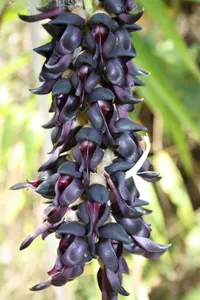
Its flowers are deep maroon to purplish with pale veining and a strongly curved tube, making them more elongated and less inflated than many other pipevines, which helps distinguish it from related species in the field.

Botan icon

Did you know?

In parts of its native range this plant serves as a host for specialized swallowtail butterflies whose caterpillars can tolerate the toxic aristolochic acids in its tissues, gaining chemical protection from predators by feeding on the vine.

FAQs about Andalusian Pipevine

This vine is especially attractive to certain swallowtail butterflies, which use it as a larval host. The unusual flowers also draw in small flies for pollination rather than honeybees, enhancing garden biodiversity where conditions suit it.

Grow Healthy Plants with Botan Care

Keep your plants happy and healthy with plant identification, disease detection, and easy care guidance.

Botan plant care app — identify plants on mobile

Explore More Plants