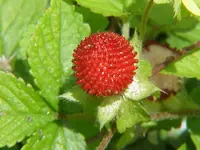
horseeye bean Care (Mucuna sloanei)

About horseeye bean

The horseeye bean, Mucuna sloanei, is a vigorous tropical climbing vine in the legume family. It is best known for its large, glossy seeds and twining stems. In its native range across the Caribbean and parts of Central and South America, it scrambles over trees and shrubs in warm, humid forests and coastal areas. The plant produces dense foliage and long pods, which can make it fast-growing but also space-demanding.

Its growth habit suits outdoor tropical gardens, arbors, or sturdy supports rather than small indoor spaces. It prefers warmth, consistent moisture, and well-drained, fertile soil, which influences how to care for horseeye bean successfully.

Main Plant Requirements

Care Difficulty

Moderate Care

Light Preference

Partial Sun

Water Requirements

Moderate Water

Temperature Preference

Tropical / Frost Sensitive

Hardiness Zone

10–12

Soil Texture

Sandy, Loamy, Organic-rich

Soil pH

Acidic (5.5–6.5), Slightly acidic (6.5–7.0)

Soil Drainage

Moist but well-drained

Fertilization

Minimal (feed rarely)

Get Personalized Care Plan

Scan your plant to receive care tips personalized for your specific plant

Available on iOS and Android

How to Care for the horseeye bean

This vigorous tropical climber prefers bright, warm conditions with protection from harsh midday sun.

  • Provide 4–6 hours of direct morning sun with light dappled or filtered light from late morning to afternoon to prevent leaf scorch.
  • Plant in a position that receives partial shade in the hottest part of the day, especially in summer, as horseeye bean foliage can burn in strong afternoon sun.
  • In cooler seasons, allow more direct light by thinning overhead cover; if vines become pale or spindly, increase sun exposure gradually to avoid shock.

This species prefers steadily moist but well-drained soil that never stays waterlogged.

  • Before watering, check the soil and irrigate only when the top 3–5 cm feels dry, allowing deeper soil to stay slightly moist, especially during active growth and flowering.
  • Use free-draining soil or a sloped planting site so excess water runs off easily; persistent soggy conditions lead to root rot, yellowing leaves, and weak growth in Mucuna sloanei.
  • In cooler or rainy seasons, reduce watering frequency and rely more on rainfall, watching for drooping, crisp leaves as a sign of underwatering rather than following a fixed schedule.

This tropical vine grows best in warm, frost-free climates with stable temperatures.

  • Aim for 70–86°F (21–30°C) during active growth, when Mucuna sloanei will produce the most vigorous shoots and foliage.
  • Protect the plant from temperatures below 50°F (10°C); growth slows near this level and tissue damage occurs close to 40°F (4°C), especially in exposed, windy sites.
  • In hot summers above 95°F (35°C), provide partial shade and consistent soil moisture to limit heat stress, leaf scorch, and flower drop.

This species prefers moderate to high humidity but adapts to many outdoor conditions.

  • Aim for 50–70% humidity, similar to a warm, semi-tropical environment.
  • Tolerates short dry spells, but prolonged air below 40% may cause leaf edge browning and curling.
  • Increase humidity locally with grouped plantings, mulch over the root zone, or nearby water features rather than misting foliage.

This vigorous climber needs deep, well-drained, organic-rich soil to support rapid growth and root development.

  • Use a loamy mix with high organic matter, such as garden loam blended with compost and coarse sand or fine bark for structure.
  • Ensure fast drainage; water should infiltrate quickly without pooling, yet the soil should stay slightly moist rather than waterlogged.
  • Target a slightly acidic to neutral pH, around 6.0–7.0, which supports nutrient availability for Mucuna sloanei.
  • Improve aeration and prevent compaction by incorporating 20–30% coarse material like perlite, pumice, or chunky bark, and avoid heavy clay sites.

This vine can be grown in large containers if provided with strong support and ample root volume.

  • Choose a tall, heavy container to counterbalance the vigorous climbing growth and reduce tipping risk in wind.
  • Select a pot volume large enough for deep roots, often at least 40–50 L, to avoid rapid drying and nutrient depletion.
  • Use a sturdy trellis or frame fixed directly into or behind the container so the structure, not the pot rim, carries the plant’s weight.

This vigorous tropical vine benefits from moderate feeding during the warm growing season.

  • Use a balanced NPK fertilizer (such as 10-10-10) or well-rotted compost for horseeye bean in fertile, well-drained soil.
  • Apply liquid feed every 4–6 weeks at 1/2–1/4 strength once active growth starts in spring.
  • Stop or greatly reduce fertilization in late fall and winter when growth slows or stops.
  • Avoid heavy, frequent feeding, which encourages weak, overly lush growth and can harm roots.

Pruning Mucuna sloanei helps manage its size and supports healthy flowering on this strong climber.

  • Carry out main pruning in late winter or early spring before vigorous new growth begins.
  • Remove dead, diseased, or damaged stems first, then thin overcrowded vines to improve light and air flow.
  • Shorten overly long shoots to control spread and direct growth along the support structure.
  • Use clean, sharp bypass pruners and make angled cuts just above healthy buds or branch junctions.

This large tropical liana is usually transplanted outdoors rather than grown long term in containers.

  • Transplant young plants in late spring once soil is warm and frost risk has passed.
  • Look for roots circling the pot or pushing from drainage holes, or noticeably slowed growth, as cues to shift up.
  • Move to a hole or container only 1–2 sizes larger, keeping the root ball intact to limit transplant shock.
  • Water thoroughly after planting, provide shade for 3–5 days, and maintain even moisture until new growth resumes.

Mucuna sloanei is most often propagated from seeds, which have a hard, water-resistant coat.

  • Collect mature, fully dried pods and remove seeds, discarding any that are damaged or moldy.
  • Scarify seeds by lightly nicking the coat or rubbing with sandpaper, then soak in warm water for 12–24 hours.
  • Sow in warm (75–85°F), free-draining mix, just covered, and keep evenly moist with bright, indirect light.
  • Stem cuttings are possible in warm, humid conditions but root less reliably than pretreated seeds.

This tropical species is frost sensitive and needs careful winter management outside frost-free climates.

  • In USDA zones below 10, grow in large containers and move plants indoors before temperatures drop below 45°F.
  • Provide a cool, bright indoor spot and reduce watering so the soil stays slightly moist, never saturated.
  • In mild climates, mulch the root zone 5–8 cm deep to buffer brief cool spells and conserve soil warmth.
  • Prune back weak, cold-damaged growth in late winter once temperatures are consistently warm again.

Care Tips

Robust climbing support

Install a strong, long-term trellis or wire system before planting, as this vigorous vine needs a stable structure at least 2–3 m tall to prevent stems from tearing or collapsing under their own weight.

Guided stem training

In the first growing season, loosely tie young shoots to the support with soft ties every 20–30 cm, directing them upward and outward to create an open framework that improves airflow and flower production later.

Root zone mulching

Apply a 5–8 cm layer of coarse organic mulch around, but not touching, the stem base to keep roots cool, stabilize soil moisture, and reduce weed competition without encouraging stem rot.

Seasonal hard pruning

In late winter or very early spring, cut back old, tangled vines by 1⁄3–1⁄2, removing weak, dead, or crossing stems to control size and stimulate vigorous new flowering growth for the coming season.

Early pest scouting

Inspect new foliage and flower clusters every 7–10 days for chewing damage, webbing, or sap-sucking insects, so that any infestation is treated early with targeted methods as part of caring for horseeye bean rather than after major damage occurs.

Common Pests and Diseases

Bean pod borer

This pest is a caterpillar that tunnels into developing pods, causing premature yellowing, distorted pods, and seed damage. Symptoms include frass (powdery droppings) and small entry holes on the pods.

Solution

Remove and destroy infested pods to break the life cycle and reduce future populations. Encourage beneficial predators, use light traps away from the vines, and, if pressure is high, apply a targeted Bacillus thuringiensis (Bt) spray to young caterpillars in the evening, following label directions carefully.

Foliage-feeding caterpillars

These insects chew irregular holes in leaves and can defoliate young vines when populations are high. This pest often rests on the undersides of leaves during the day and feeds at night.

Solution

Handpick caterpillars where practical and inspect the undersides of leaves regularly, especially on young growth. Encourage birds and parasitic wasps, and use a Bt-based product directed at the leaf surfaces if defoliation becomes significant, reapplying as needed according to the label.

Rust

This disease produces small orange to brown powdery pustules on the underside of leaves, sometimes with yellow spots on the upper surface. Severe infections cause premature leaf drop and reduced vigor.

Solution

Remove and discard heavily infected leaves to reduce spore load, and avoid overhead watering that keeps foliage wet for long periods. Improve airflow by spacing vines and pruning excess growth, and in persistent cases use a labeled copper or sulfur fungicide applied preventively during warm, humid periods as part of broader Mucuna sloanei care.

Powdery mildew

This disease appears as white, powdery patches on upper leaf surfaces, often starting on older leaves in shaded or crowded areas. Symptoms include distorted growth and gradual yellowing if infection is severe.

Solution

Increase sun exposure and airflow by thinning dense growth and training vines along a support to reduce shade pockets. Remove the most affected leaves and, if conditions favor repeated outbreaks, apply a sulfur or potassium bicarbonate fungicide, making sure leaves dry quickly after spraying.

Root-knot nematodes

These microscopic roundworms attack roots, causing galls or swellings that reduce water and nutrient uptake. Symptoms include stunted growth, poor response to fertilizer, and wilting during heat even when soil moisture seems adequate.

Solution

Rotate Mucuna sloanei with non-host or resistant cover crops and avoid replanting in heavily infested soil. Incorporate organic matter to support beneficial soil organisms, solarize soil in hot climates before planting, and use clean, nematode-free seedlings or seeds in new beds or containers.

Interesting Facts

Hard, buoyant seeds

The seeds of this liana are extremely hard and naturally buoyant, which allows them to drift long distances by sea and wash up on distant tropical and subtropical beaches as classic “sea beans.”

Velvety, irritating pods

Its pods are covered with dense, stiff hairs containing irritating compounds that can cause intense itching on contact, a defense that reduces damage from many herbivores.

Forest-edge climber

This species typically grows as a vigorous woody climber along forest edges and gaps in tropical America, where increased light and support from trees promote its long, scrambling vines.

Botan icon

Did you know?

The large, polished seeds of this species have been collected for centuries as natural beads and charms in coastal communities, and are common items in traditional seed jewelry and artisanal crafts made from drift material.

FAQs about horseeye bean

Lack of flowering usually comes from insufficient maturity, inadequate light, or nutrient imbalance. Vines often need several seasons to bloom well. Avoid heavy nitrogen feeding, ensure strong sun exposure, and keep pruning minimal until flowering wood develops.

Grow Healthy Plants with Botan Care

Keep your plants happy and healthy with plant identification, disease detection, and easy care guidance.


Botan plant care app — identify plants on mobile

Explore More Plants