Auricularia fuscosuccinea Care

Auricularia fuscosuccinea

About Auricularia fuscosuccinea

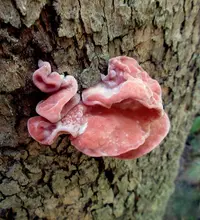
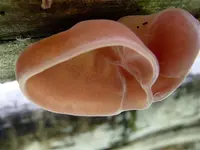
Auricularia fuscosuccinea is a jelly fungus, not a leafy plant, that grows as soft, ear-shaped clusters on dead or dying wood. Its surface is usually brown to reddish and slightly translucent when fresh.

This species occurs mainly in warm, humid regions of Asia and other tropical to subtropical areas, where it helps decompose hardwood logs and branches. It prefers shady, moist habitats and stable humidity, which can guide how to care for Auricularia fuscosuccinea in cultivation.

Under suitable conditions it tends to be resilient but depends strongly on constant moisture and an appropriate woody substrate, which can make it moderately challenging for beginners to maintain indoors or in controlled setups.

Main Plant Requirements

Care Difficulty

Moderate Care

Light Preference

Shade

Water Requirements

Keep Soil Moist

Temperature Preference

Warm Climate

Hardiness Zone

Unknown

Soil Texture

Loamy, Organic-rich

Soil pH

Acidic (5.5–6.5)

Soil Drainage

Waterlogged tolerant

Fertilization

Minimal (feed rarely)

Get Personalized Care Plan

Scan your plant to receive care tips personalized for your specific plant

Available on iOS and Android

How to Care for the Auricularia fuscosuccinea

This wood ear fungus prefers low to moderate indirect light rather than strong direct sun.

  • Provide 2–4 hours of soft morning sun or bright, filtered light; dense forest shade or full sun exposure reduces fruiting.
  • Position logs or substrate where they receive dappled shade under trees or shade cloth, avoiding harsh midday and afternoon sun that can dry tissues.
  • In summer, increase shading during heat waves, while in winter ensure some indirect light so surfaces do not stay cold and wet for prolonged periods.

Moisture management is critical for reliable fruiting and healthy mycelium development.

  • Keep the substrate consistently moist but not waterlogged; surfaces should feel damp to the touch without standing water around logs or beds.
  • Water or mist when the outer 1–2 cm of substrate begins to feel just barely dry, increasing frequency in hot, windy weather and reducing it in cool, rainy periods.
  • Signs of overwatering include sour odors, slimy patches, or mold growth; leathery, shrunken fruit bodies and cracking substrate indicate underwatering.

Stable, mild temperatures support steady mycelial growth and fruiting.

  • Aim for 68–77°F (20–25°C) for active growth, a range that balances mycelium expansion and fruit body formation.
  • The organism tolerates about 50°F (10°C) short term but growth slows markedly; protect from frost and repeated drops below 41°F (5°C).
  • In hot spells above 86°F (30°C), increase shading and moisture to prevent substrate overheating, as sustained high heat can weaken or kill the mycelium.

This jelly fungus prefers consistently moist, humid air to form healthy, fleshy fruiting bodies.

  • Aim for 70–90% humidity around developing clusters, especially in warm conditions.
  • In dry air, fruiting bodies stay thin, crack, or stop expanding, and substrate surfaces crust over.
  • Increase humidity with frequent misting of the fruiting area, tenting with perforated plastic, or using a humidifier near the fruiting setup.

For cultivation, Auricularia fuscosuccinea needs a moist, highly organic, well-aerated substrate rather than typical garden soil.

  • Use finely chopped hardwood sawdust or chips mixed with 10–20% wheat bran or other nitrogen supplement for structure and nutrients.
  • Keep the substrate evenly moist but never waterlogged so air spaces remain between particles for gas exchange.
  • Aim for a slightly acidic to neutral pH around 5.5–7.0, which supports reliable mycelial colonization and fruiting.
  • Avoid dense clay, compacted mixes, or sterile mineral potting soils, and instead prioritize loose, fibrous, organic-rich material.

This species can be grown in containers such as bags, buckets, or tubs when moisture and aeration are carefully managed.

  • Drill multiple side and bottom holes in rigid containers to let excess water drain while allowing gas exchange near the substrate surface.
  • Choose a container size that matches the planned substrate volume so the block fills it snugly and does not dry unevenly at the edges.
  • Use opaque or shaded containers to limit light on the colonizing substrate while still allowing light to reach emerging fruiting points at cut or perforated areas.

This wood-decaying fungus usually gains enough nutrients from its substrate, so Auricularia fuscosuccinea needs only minimal supplemental feeding in cultivation.

  • Use a light application of well-rotted compost or a mild, balanced NPK feed on nutrient-poor substrates at the start of active growth.
  • Apply any fertilizer at 1/4–1/2 strength to avoid salt buildup that can harm the mycelium.
  • Limit feeding to the main growing season and skip or greatly reduce inputs during cooler dormant periods.

Pruning is generally unnecessary for this fungus and is limited to basic hygiene.

  • Remove only dead, decaying, or insect-damaged fruiting bodies with clean scissors or a sharp knife.
  • Cut close to the substrate without gouging the underlying wood or mycelium.
  • Discard removed tissue into the trash or compost away from cultivation areas to limit contamination.

This species is typically grown on logs or sterilized substrates, so management focuses on renewing or moving the colonized material rather than classic repotting.

  • Consider transplanting when yields drop, contamination appears, or the substrate is fully colonized and exhausted.
  • Best timing is during mild weather, avoiding temperature extremes that stress the mycelium.
  • Move colonized blocks or logs gently into a slightly larger, clean container or shaded outdoor spot with similar moisture conditions.
  • Handle the mycelium carefully, keep it shaded, and maintain even moisture after moving to reduce shock and drying.

Propagation relies on expanding mycelium rather than traditional plant methods.

  • Use grain spawn or colonized dowels pressed or drilled into fresh, pasteurized or sterilized substrate.
  • Carry out most inoculations in spring or early summer when temperatures are moderate and stable.
  • Work as cleanly as possible, using disinfected tools and containers to limit competing fungi and bacteria.
  • Maintain high humidity, indirect light, and stable temperatures in the species’ preferred range until new growth and fruiting appear.

Outdoor Auricularia fuscosuccinea on logs in mild climates usually needs little special winter care.

  • In regions with light frost, add a 5–8 cm mulch layer around outdoor cultivation beds to moderate soil temperature and moisture.
  • Move container-grown blocks into an unheated garage or shed when hard freezes below about 25°F are forecast.
  • Keep substrate just barely moist; avoid waterlogging cold blocks, which encourages rot and competing fungi.

Care Tips

Use clean substrate

Prepare sawdust or hardwood chip blocks with proper heat sterilization or pasteurization to reduce contamination by molds that easily outcompete the mycelium when growing Auricularia fuscosuccinea.

Inoculation depth control

When inserting spawn into logs or bags, keep inoculation points 2–3 cm below the surface and evenly spaced so the mycelium can colonize quickly and reduce the risk of dry patches or bacterial spots.

Staged fresh air

During fruiting, increase fresh air exchange gradually over 2–3 days instead of suddenly, to prevent the young jelly caps from drying or forming thick, deformed edges.

Gentle harvest technique

Harvest by pinching or cutting clusters at the base with a clean knife, leaving a smooth surface on the substrate so secondary flushes develop without rotting tissue left behind.

Rotate fruiting blocks

Rotate or reposition fruiting bags and blocks every few days so developing mushrooms receive more even airflow and moisture exposure, which helps produce uniform, well-formed ears.

Common Pests and Diseases

Green mold

This disease appears as fast-spreading green patches on the substrate or around developing fruiting bodies, often outcompeting the fungus and stopping formation of new mushrooms.

Solution

Remove heavily contaminated substrate and any affected fruiting blocks, improve airflow, and reduce excess surface moisture. Sterilize or thoroughly pasteurize fresh substrate, keep tools and containers clean, and lower spore load by isolating contaminated batches from healthy ones when growing Auricularia fuscosuccinea.

Bacterial blotch

This disease causes water-soaked, slimy, brown to yellow spots on fruiting bodies, which may develop an unpleasant odor and soften rapidly.

Solution

Discard severely affected fruiting bodies, reduce overhead misting, and focus on maintaining high humidity through fine mist or humidifiers without leaving standing water on caps. Increase air exchange to dry surfaces between misting cycles and clean growing equipment with a mild disinfectant to lower bacterial pressure.

Fungus gnats

These insects lay eggs in the moist substrate, and the larvae feed on mycelium and young fruiting bodies, leading to deformed or stunted mushrooms and small entry holes.

Solution

Use fine mesh screens and sticky traps to reduce adult populations, and avoid over-wet substrate that attracts egg laying. If needed, apply a biological control such as Bacillus thuringiensis israelensis (BTI) to the substrate according to label directions and remove heavily infested blocks from the grow space.

Mites

This pest appears as tiny moving dots on substrate or mushroom surfaces, sometimes causing pitting, discoloration, or reduced yield when populations are high.

Solution

Physically remove and discard heavily infested blocks, clean shelves and surrounding structures thoroughly, and reduce dust and organic debris where mites hide. Introduce predatory mites from reputable suppliers or use approved sulfur-free miticides for mushroom production, ensuring good ventilation during and after treatment.

Interesting Facts

Ear-like fruiting body

This jelly fungus produces thin, ear-shaped fruiting bodies with a gelatinous, flexible texture that can revive and swell again after drying when exposed to moisture.

Tropical wood decomposer

It grows mainly in tropical and subtropical forests on decaying hardwood, where it helps break down lignin-rich wood and recycle nutrients back into the ecosystem.

Microscopic spine structure

Its inner surface bears tiny microscopic spines (acanthophyses and basidia) that increase surface area for spore production, an adaptation that supports efficient reproduction in humid habitats.

Botan icon

Did you know?

Molecular studies have shown that this species, once confused with other Auricularia “jelly ear” fungi, is genetically distinct and part of a species complex that was clarified only after the adoption of DNA-based fungal classification.

FAQs about Auricularia fuscosuccinea

This jelly fungus is considered edible in several Asian cuisines when cooked thoroughly. It has a gelatinous, crunchy texture and mild flavor. Only harvest from correctly identified specimens on clean wood, since misidentification and pollution are real risks.

Grow Healthy Plants with Botan Care

Keep your plants happy and healthy with plant identification, disease detection, and easy care guidance.

Botan plant care app — identify plants on mobile

Explore More Plants