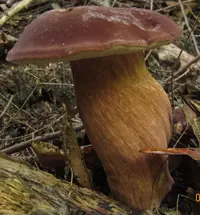
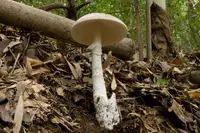
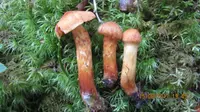
red edge brittlestem Care (Psathyrella corrugis)

red edge brittlestem

About red edge brittlestem

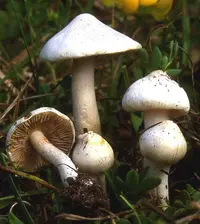
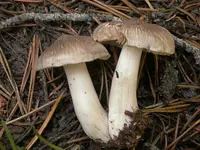
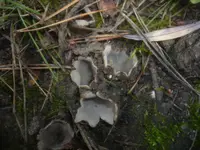
Red edge brittlestem (Psathyrella corrugis) is a small, delicate saprophytic fungus that lives on decaying wood, leaf litter, and other organic debris. It is not a houseplant or ornamental species but sometimes appears unexpectedly in garden beds, pots, or lawns.

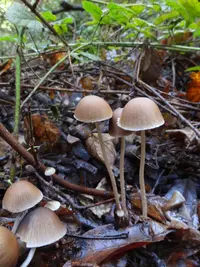
The caps are thin and fragile, often brownish with darker, sometimes reddish edges, and the stems break easily. It typically fruits in clusters or small groups during moist, mild conditions.

Because it is short-lived and highly dependent on constant moisture and decaying material, it is not suited to deliberate cultivation, and how to care for red edge brittlestem is usually not a practical concern.

Main Plant Requirements

Care Difficulty

Moderate Care

Light Preference

Partial Shade

Water Requirements

Keep Soil Moist

Temperature Preference

Cool Climate

Hardiness Zone

Unknown

Soil Texture

Loamy, Silty, Organic-rich

Soil pH

Acidic (5.5–6.5), Slightly acidic (6.5–7.0)

Soil Drainage

Moist but well-drained

Fertilization

Minimal (feed rarely)

Get Personalized Care Plan

Scan your plant to receive care tips personalized for your specific plant

Available on iOS and Android

How to Care for the red edge brittlestem

Psathyrella corrugis develops best in low to moderate natural light rather than direct sun exposure.

  • Provide bright, dappled light or open shade, with no more than 1–2 hours of weak morning sun and 0 hours of harsh afternoon sun to prevent cap scorching and rapid drying of the substrate.
  • Site red edge brittlestem under shrubs, deciduous trees, or beside logs where filtered light mimics woodland edges and sunflecks move across the ground during the day.
  • In summer, shield from strong midday light, while in autumn shorter days are acceptable as long as the site remains clearly lit, not in deep, continuous shade.

Moist, consistently damp conditions are essential for healthy Psathyrella corrugis fruiting and mycelium growth.

  • Maintain evenly moist soil, avoiding standing water; the surface should feel damp but not slimy, and any pooling should soak in within 1–2 hours after rain or watering.
  • In dry spells, water when the top 1–2 cm of substrate starts to lose surface gloss and feels just slightly less moist, using gentle soaking rather than light sprinkling.
  • Watch for signs of stress: caps shrinking, cracking, or disappearing quickly indicate dryness, while sour smell or slimy patches suggest prolonged saturation and poor drainage.

This species prefers cool to mild temperatures that resemble its natural woodland fruiting conditions.

  • Aim for an active growth range of 50–68°F (10–20°C), which supports stable mycelium and more reliable mushroom formation in suitable moisture and shade.
  • Protect from frost below 32°F (0°C), which can damage fine mycelial threads near the surface and abruptly stop fruiting for the season.
  • Limit exposure above 77–80°F (25–27°C), as sustained heat combined with dry air speeds substrate drying, shortens cap lifespan, and may force a temporary dormant period.

This saprotrophic fungus has modest humidity needs and adapts to a wide range of outdoor conditions.

  • Performs reliably in ambient outdoor humidity from about 40–80% without special intervention.
  • Tolerates short dry spells but caps may crack and shrivel if air stays very dry and sunny.
  • If cultivating red edge brittlestem, local microclimate humidity can be raised slightly with nearby mulch or dense groundcover.

This species prefers consistently moist, organic-rich substrates that mimic decomposing woodland litter.

  • Use a loose, crumbly mix based on leaf mold or composted wood chips, with some garden soil for structure.
  • Ensure rapid drainage; aim for a substrate that stays moist but never stagnant or waterlogged around the mycelium.
  • A slightly acidic to neutral pH around 5.5–7 suits Psathyrella corrugis when grown on amended beds or trays.
  • Improve aeration and prevent compaction by blending in coarse sand or fine bark chips, avoiding dense clay-heavy mixes.

This fungus is not naturally suited to ornamental container culture, but it can be grown experimentally in shallow trays.

  • Choose a wide, shallow container so the decomposing substrate layer remains thin and evenly aerated.
  • Use a rigid plastic or glazed pot that slows rapid drying, since the substrate must stay evenly moist.
  • Elevate the container on feet or a mesh stand so drainage holes stay clear and excess water escapes freely.

Psathyrella corrugis is a saprophytic fungus that obtains nutrients from decaying organic matter and does not benefit from conventional fertilization.

Psathyrella corrugis does not require structured pruning, but limited clean-up can support a tidy and hygienic growing area.

  • Remove spent or collapsing fruiting bodies with clean hands or a small knife to reduce rot and mold buildup.
  • Clear away heavily decomposed, slimy substrate if it impedes air flow around remaining mushrooms.
  • Avoid cutting or disturbing the underlying mycelium network, which functions like the plant’s root system.
  • Use gentle handling to limit mechanical damage and contamination in the fruiting area.

Transplanting focuses on moving the colonized substrate or mycelium of this fungus rather than treating Psathyrella corrugis like a typical potted plant.

  • Consider transplanting when the substrate is exhausted, very compacted, or when spread to a new log or bed is desired.
  • Plan moves during active, mild conditions in spring or fall to reduce stress on the mycelium.
  • Lift and transfer substrate in large intact sections, keeping the mycelium as undisturbed as possible.
  • Re-establish in fresh, moist, shaded organic matter, then maintain steady humidity while the colony recovers.

In practice, Psathyrella corrugis is seldom propagated intentionally, as it behaves more like a wild decomposer than a domesticated plant.

This fungus tolerates natural seasonal shifts well and usually needs no dedicated winter care in the landscape.

Care Tips

Use clean substrate

Prepare mushroom-growing bags or trays with a pasteurized straw or sawdust-based substrate to reduce competing fungi and bacteria, rather than using unsterilized garden soil.

Control air exchange

Provide gentle, regular fresh air exchange in the fruiting area using a small fan on a low setting or by slightly opening vents, which helps prevent carbon dioxide buildup that can cause elongated, weak stems.

Monitor contamination early

Inspect the substrate surface daily for unusual colors, strong odors, or slimy patches, and immediately isolate or discard contaminated containers to protect healthy cultures when caring for red edge brittlestem.

Use gentle misting

Mist the air around the fruiting containers instead of spraying caps directly, and use a fine mister so droplets do not damage the very thin, brittle mushroom stems and gills.

Harvest at correct stage

Cut clusters at the base with a clean blade just as caps expand but before they fully flatten, which improves spore control, reduces mess, and encourages a cleaner environment for subsequent flushes.

Common Pests and Diseases

Fungal parasitism

This disease involves other aggressive fungi colonizing the fruiting bodies and substrate, outcompeting the red edge brittlestem. Symptoms include distorted caps, unusual moldy growth on stems or caps, and rapid collapse of mushrooms.

Solution

Remove and discard all affected mushrooms and any visibly contaminated substrate, then reduce surface moisture and improve air movement around the growing area to slow competing fungi. Use clean tools and fresh, uncontaminated substrate if continuing to grow Psathyrella corrugis, and avoid reusing heavily colonized material.

Mite infestation

These insects are actually tiny arachnids that feed on fungal tissues and spores, leaving pitted or scarred caps and sometimes a fine dust-like residue. Symptoms include slow or uneven development of fruiting bodies and visible movement of tiny pale dots on or near the mushrooms under close inspection.

Solution

Discard heavily infested mushrooms and clean the growing container or area thoroughly, including cracks and corners. Reduce excess organic debris, keep the substrate slightly less wet but not dry, and if necessary introduce predatory mites sourced for mushroom cultivation to reduce pest populations without chemical sprays.

Fungus gnat larvae

This pest is the larval stage of small dark flies whose larvae tunnel through fungal tissue and the substrate. Symptoms include soft, water-soaked stems, collapsing caps, and small holes or channels visible in the mushroom flesh.

Solution

Physically remove and discard affected mushrooms and top layers of heavily infested substrate, then allow the surface to dry slightly between misting to make conditions less favorable for larvae. Use fine mesh screens to limit adult gnats, reduce standing water, and consider yellow sticky traps nearby to lower adult populations without treating the mushrooms directly.

Bacterial blotch

This disease is caused by opportunistic bacteria that thrive on overly wet mushroom surfaces. Symptoms include slimy, yellow to brown spots on caps and stems, often starting where water droplets sit for long periods.

Solution

Remove and discard mushrooms showing slimy or discolored spots, then adjust watering to avoid prolonged surface wetness and standing droplets. Improve ventilation around the growing area, disinfect tools and containers with a mild bleach solution (about 1:10 diluted household bleach), and avoid handling mushrooms with unwashed hands to reduce bacterial spread.

Interesting Facts

Highly fragile fruiting bodies

The caps and stems are very delicate and collapse quickly after maturity, which is one reason this species is often overlooked in the field and under-collected in herbaria.

Moisture-dependent appearance

Its cap shows strong hygrophanous behavior, meaning it changes color markedly as it dries, often shifting from dark brown when moist to much paler or almost whitish as water content decreases.

Frequent wood-associated saprobe

This fungus typically grows as a saprobe on buried or very decayed woody debris and plant litter, playing a role in breaking down complex organic matter in nutrient-poor soils.

FAQs about red edge brittlestem

This species is not recommended for consumption. It is a small, fragile mushroom that closely resembles several toxic and poorly studied look-alikes, making confident identification difficult even for experts. Treat it as inedible and avoid tasting.

Grow Healthy Plants with Botan Care

Keep your plants happy and healthy with plant identification, disease detection, and easy care guidance.

Botan plant care app — identify plants on mobile

Explore More Plants