Soil depth control
Maintain only a very shallow sand layer, 2–5 cm deep, over the colonized root zone so the fruiting bodies can push through the surface without deforming or remaining buried.

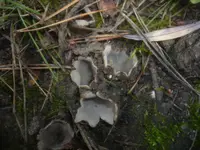
Geopora arenicola is not a leafy plant but a small, sand-dwelling fungus that forms cup-shaped fruiting bodies partly buried in the soil. It typically appears as pale to tan cups that break through sandy or light, disturbed ground, often near trees in coastal or inland dunes.
This species is native to Europe and parts of North America, where it is associated with sandy, well-drained soils and sometimes forms mycorrhizal relationships with nearby plants. Because it depends on specific soil structure and natural disturbance, it is not commonly cultivated, and learning how to care for Geopora arenicola is mostly of interest to specialists and habitat restoration projects rather than home growers.

Care Difficulty
Moderate Care

Light Preference
Partial Shade

Water Requirements
Moderate Water

Temperature Preference
Warm Climate

Hardiness Zone
Unknown

Soil Texture
Sandy, Loamy

Soil pH
Slightly acidic (6.5–7.0)

Soil Drainage
Well-drained

Fertilization
Minimal (feed rarely)
Scan your plant to receive care tips personalized for your specific plant
Available on iOS and Android
This sand-loving truffle fungus prefers bright, open conditions that mimic sunny, sparsely vegetated dunes.
This fungus develops in dry, sandy soils and relies mainly on natural rainfall rather than direct watering.
This species is adapted to temperate climates with cool to mild seasons and does not require strict temperature control.
Humidity is not a significant factor for this sand-dwelling fungus.
This species requires loose, deep, sandy soil that drains very quickly.
This species is generally unsuitable for container growing because it depends on extensive outdoor sandy habitats and mycorrhizal partners.
This mycorrhizal fungus associates with host plant roots and usually needs no additional fertilizer when soil is moderately fertile and undisturbed.
Geopora arenicola forms underground structures and surface fruiting bodies that do not benefit from conventional pruning.
This fungus is not suited to normal repotting and is best left undisturbed in its established soil habitat.
Propagation of this ectomycorrhizal fungus is specialized and rarely attempted by home growers.
In suitable climates this soil-dwelling fungus is naturally winter hardy and requires no special care.

Plant Health Check
Not sure what's wrong with your plant? Check your plant's health inside the app.
This fungus typically fruits in sandy, well-drained soils, especially on coastal or inland dunes, where its underground structures are adapted to shifting, nutrient-poor substrates.
Its fruiting bodies often appear in spring as small, pale, cup- to saucer-shaped structures that emerge from the sand after developing largely underground.
It is reported to form ectomycorrhizal associations with pine species, creating a mutualistic relationship where fungal hyphae enhance water and nutrient uptake for the tree while receiving carbohydrates in return.
This species is not considered an edible mushroom and has no established culinary use. Identification of small cup fungi is difficult, and some similar species may be harmful, so consumption is strongly discouraged.
Keep your plants happy and healthy with plant identification, disease detection, and easy care guidance.