ochre gillgobbler Care (Hypomyces lateritius)

ochre gillgobbler

About ochre gillgobbler

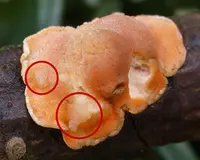
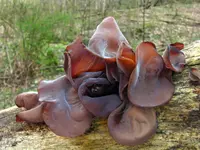
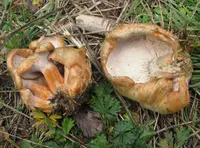
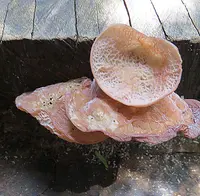
The ochre gillgobbler, Hypomyces lateritius, is not a leafy plant but a parasitic fungus that grows over milkcap mushrooms in forests. It forms a smooth, orange to ochre crust that covers the host’s gills, giving it a distinctive, almost sculpted look.

This species occurs mainly in temperate woodlands, especially in North America and Europe, where suitable Lactarius hosts are present. It is not a typical choice for home cultivation, as it depends on both a living host mushroom and specific woodland conditions.

For those who attempt to care for ochre gillgobbler in specialized setups, it generally prefers cool, moist, shaded environments that mimic a natural forest floor with decaying organic matter.

Main Plant Requirements

Care Difficulty

Hard Care

Light Preference

Partial Shade

Water Requirements

Keep Soil Moist

Temperature Preference

Warm Climate

Hardiness Zone

Unknown

Soil Texture

Loamy, Organic-rich

Soil pH

Acidic (5.5–6.5)

Soil Drainage

Moist but well-drained

Fertilization

Minimal (feed rarely)

Get Personalized Care Plan

Scan your plant to receive care tips personalized for your specific plant

Available on iOS and Android

How to Care for the ochre gillgobbler

Hypomyces lateritius prefers bright forest edges or openings with filtered light rather than intense direct sun.

  • Provide 2–4 hours of gentle morning sun with dappled or filtered light for the rest of the day where host mushrooms grow.
  • Allow light partial shade under deciduous trees; too much deep shade reduces fruiting of both host and ochre gillgobbler.
  • Avoid strong, direct afternoon sun in open clearings, which can dry substrates quickly and stress host fungi, especially in midsummer.

Hypomyces lateritius develops best where moisture stays consistently damp but not saturated around its host fungi.

  • Aim for evenly moist, well-drained forest soil; substrates that stay waterlogged for more than 24 hours can cause competing molds and decay.
  • Allow the top 2–3 cm of surface material (leaf litter or soil) to begin drying between natural rains or supplemental watering if cultivated.
  • Watch for signs of stress such as shrinking, brittle host mushrooms from drought or soft, collapsing tissue and foul odor from chronic overwatering.

This species favors mild to warm conditions and declines with hard frost or prolonged high heat.

  • Target 60–77°F (16–25°C) for active growth and fruiting, which matches typical late summer to early autumn forest conditions.
  • Protect from cold below 32°F (0°C), as repeated freezing and thawing damages host mushrooms and interrupts Hypomyces lateritius development.
  • Limit exposure to hot, dry periods above 86°F (30°C); shaded, humid microclimates buffer temperature swings and support more stable growth.

This parasitic fungus prefers consistently moist, humid conditions on its host rather than controlled room air.

  • Target ambient humidity around 70–90% in culture or observation setups, mimicking damp forest air.
  • It declines quickly in dry air below about 50%, seen as shrinking, dulling, and cracking of the orange crust.
  • Increase local humidity by enclosing host mushrooms in a ventilated clear box with moist paper, avoiding direct water on the fungus.

Hypomyces lateritius develops on host mushrooms, not in soil, but substrate conditions around the host still matter.

  • Support host Russula species in a loose, organic-rich forest-type substrate with leaf litter, rotted wood, and well-drained, humus-rich mineral soil beneath.
  • Maintain a moisture-retentive but free-draining profile; avoid waterlogged ground that turns sour or anaerobic, which suppresses both host and parasite.
  • A slightly acidic substrate around pH 5.0–6.5, similar to many woodland soils, favors typical Russula habitat and indirectly benefits the fungus.
  • Improve aeration and drainage with coarse leaf mold, small bark pieces, and a modest amount of sand rather than dense clay or compacted compost.

This species is not suitable for typical container growing, as it must parasitize suitable host mushrooms in a naturalistic substrate.

Hypomyces lateritius, the ochre gillgobbler, does not need routine fertilization when growing on suitable wild host mushrooms.

Pruning is not a standard practice for Hypomyces lateritius, since it is a parasitic fungus that naturally follows the form and life cycle of its host mushroom.

Transplanting Hypomyces lateritius is rarely attempted, as this parasitic fungus depends on specific host mushrooms in stable habitat conditions.

  • If attempted in culture, only move colonized substrate once it is fully established and actively growing.
  • Time any transfer to coincide with the natural fruiting period of the host mushroom species.
  • Handle colonized material gently to avoid mechanical damage and rapid drying of the fungal tissue.
  • After transfer, maintain consistent moisture and temperature to reduce stress and encourage renewed colonization.

Propagation of Hypomyces lateritius is specialized and usually left to experienced mycologists rather than home growers.

  • In nature, spread occurs by spores released from mature fungal structures on host mushrooms.
  • Under laboratory conditions, propagation uses sterile culture techniques on nutrient media, not home methods like cuttings or division.
  • Successful germination and growth require precise temperature, humidity, and sterile conditions to prevent contamination.
  • For non-specialists, the most practical approach is observing wild populations rather than attempting active propagation.

Outdoor Hypomyces lateritius generally follows the seasonal cycle of its host mushrooms and usually needs no dedicated winter care from gardeners.

Care Tips

Use host rotation

Rotate different Russula and Lactarius host species in the same patch over seasons to maintain a stable food base for the fungus and reduce the risk of host-specific diseases building up.

Leave partial host harvest

When collecting mushrooms, leave 20–30% of healthy host fruiting bodies in place so Hypomyces lateritius has enough tissue to colonize and complete its life cycle.

Mark productive sites

Flag or map locations where the fungus appears reliably and avoid disturbing leaf litter or soil structure there, since site stability greatly improves long-term ochre gillgobbler yields.

Manage leaf litter

Maintain a light, continuous layer of mixed hardwood leaf litter around the host trees instead of bare soil, which supports the mycorrhizal hosts and indirectly supports growing ochre gillgobbler.

Limit soil compaction

Keep foot traffic and equipment off known fruiting zones, because compacted soil restricts air and water movement around the host mycelium and leads to weaker or fewer infected mushrooms.

Common Pests and Diseases

Mycophagous mites

These insects feed on fungal tissues and can graze the surface of the fungal crust, reducing spore production and distorting growth. Symptoms include pitted, roughened, or unevenly thinned areas on the orange surface of the parasite on the host mushroom.

Solution

Remove and discard heavily infested host mushrooms, then reduce excessive moisture and standing water around the fruiting area to make conditions less favorable for mites. For cultivated setups, improve ventilation and use fine mesh barriers or clean covers to limit mite access, and avoid bringing in unsterilized mushroom substrates or forest debris that may carry mites.

Fungal competitors

This disease pressure comes from other parasitic or saprophytic fungi colonizing the same host mushrooms or substrate and outcompeting the existing Hypomyces layer. Symptoms include patchy white, gray, or green growth breaking through the orange crust, with loss of color and texture uniformity.

Solution

Remove any host mushrooms that show mixed or overtaken growth, and refresh or replace the fruiting substrate if contamination is widespread. Maintain clean tools and containers, avoid splashing soil or debris onto the fruiting bodies, and keep humidity in a moderate, stable range to favor the established Hypomyces lateritius colony over fast-growing contaminants.

Bacterial soft rot

This disease turns the host mushroom tissue under the Hypomyces crust soggy, foul-smelling, and water-soaked, which can cause slumping or collapse of the parasitic layer. Symptoms include wet patches, discoloration to dull brown, and a sour or putrid odor around affected specimens.

Solution

Promptly remove and discard any soft, collapsing host mushrooms and nearby material to limit bacterial spread. Improve air exchange, avoid direct water spraying on the fruiting bodies, and keep surfaces and tools clean to reduce bacterial load in indoor or controlled growing areas.

Slug and snail feeding

These pests rasp away surface tissue of both the host mushroom and the orange Hypomyces covering, leaving irregular bite marks and slime trails. Symptoms include missing sections, ragged edges, and silvery residue on or near affected fruiting bodies.

Solution

Hand-remove slugs and snails during damp periods and reduce hiding places such as dense ground litter or boards near the fruiting zone. In semi-managed or cultivation settings, use physical barriers such as copper tape, collars, or coarse grit around beds, and avoid overwatering that encourages mollusk activity while still meeting basic moisture needs for growing Hypomyces lateritius.

Interesting Facts

Parasitism on chanterelles

This species is a parasitic ascomycete that specifically infects chanterelle mushrooms in the genus Cantharellus, replacing their normal wrinkled undersurface with a smooth, orange-red fertile layer.

Deformed host mushrooms

Infected chanterelles often become thicker, more club-shaped, and lose the typical forked ridges, which led to the common name lobster chanterelle for the altered fruiting bodies.

Microscopic spore features

Its ascospores are relatively large, smooth, and usually 1-septate (with a single internal cross-wall), features that mycologists use to distinguish it from closely related Hypomyces species on other hosts.

FAQs about ochre gillgobbler

This fungus is a parasite of chanterelles and is not considered a good edible. It can distort and degrade the host mushroom’s texture. For foraging, most field guides advise discarding infected specimens rather than eating them.

Grow Healthy Plants with Botan Care

Keep your plants happy and healthy with plant identification, disease detection, and easy care guidance.

Botan plant care app — identify plants on mobile

Explore More Plants