

Use fresh substrate
Prepare a fresh, pasteurized hardwood-based substrate for each cultivation cycle and discard old blocks after fruiting to reduce contamination from competing fungi and soil microbes.

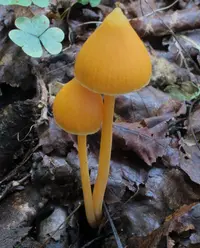
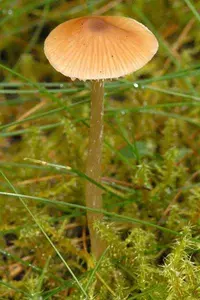
The salmon pinkgill, Entoloma quadratum, is a small gilled fungus rather than a true plant. It typically forms soft, salmon-pink caps with square-edged gills and slender stems. Fruiting bodies appear close to the ground, often in loose groups.
This species is usually found in woodland or grassland habitats in temperate regions, emerging during moist, cool periods. It can be challenging to cultivate at home because it depends on complex soil and microbial relationships. Most people do not actively care for salmon pinkgill, but it generally favors undisturbed, moderately moist, well-aerated soil in dappled light.

Care Difficulty
Hard Care

Light Preference
Partial Shade

Water Requirements
Keep Soil Moist

Temperature Preference
Cool Climate

Hardiness Zone
Unknown

Soil Texture
Loamy, Organic-rich

Soil pH
Acidic (5.5–6.5)

Soil Drainage
Moist but well-drained

Fertilization
Minimal (feed rarely)
Scan your plant to receive care tips personalized for your specific plant
Available on iOS and Android
This woodland fungus thrives in shaded, moist habitats with only short periods of gentle light.
This mushroom depends on consistently moist, not waterlogged, soil around its mycelium network.
This species prefers cool, temperate conditions similar to a shaded forest floor.
This wood-inhabiting fungus needs consistently moist, humid conditions to fruit reliably outdoors.
Entoloma quadratum grows on or near decaying wood, so the key is a loose, woody, consistently moist substrate rather than typical garden soil.
This species is not naturally suited to ornamental container culture, but it can sometimes be maintained in controlled tubs or boxes for study or hobby cultivation.
Entoloma quadratum is a wild woodland fungus that does not need deliberate fertilization in garden or indoor settings.
Pruning is not applicable to Entoloma quadratum, as it is a short‑lived fruiting body of a fungus rather than a woody or leafy plant.
Transplanting this forest-floor fungus is rarely successful, as it depends on specific soil fungi and microhabitats.
Propagation of Entoloma quadratum is highly specialized and not practical for typical home or garden culture.
Specific winter care for this woodland fungus is generally unnecessary, as it persists in soil as mycelium while fruiting bodies disappear.

Plant Health Check
Not sure what's wrong with your plant? Check your plant's health inside the app.
The gills of this mushroom turn a characteristic salmon-pink as spores mature, a key feature used by mycologists to distinguish it from similar-looking brown- or grey-spored fungi.
Entoloma quadratum is typically found in nutrient-poor, often mossy grassland or heath-like habitats, and its occurrence is closely tied to these low-fertility, unimproved sites.
Several Entoloma species associated with old, unfertilized grasslands are considered indicators of threatened habitats, and E. quadratum is often discussed in conservation contexts where traditional grassland management is declining.
This mushroom is considered poisonous and must not be eaten. It can cause serious gastrointestinal symptoms and possibly more severe reactions. Identification mistakes with small pink-gilled fungi are common, so foraging this species for food is strongly discouraged.
Keep your plants happy and healthy with plant identification, disease detection, and easy care guidance.

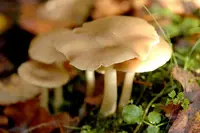
Wood Pinkgill
Entoloma rhodopolium
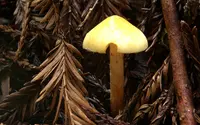
Lavender Baeospora
Baeospora myriadophylla
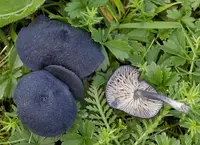
Blue Edge Pinkgill
Entoloma serrulatum
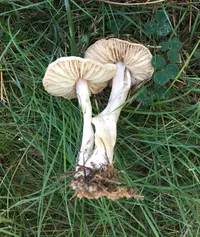
Marasmius nigrodiscus
Marasmius nigrodiscus
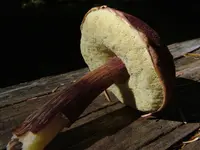
admirable bolete
Aureoboletus mirabilis
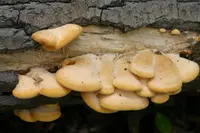
Stinking Orange Oyster
Phyllotopsis nidulans
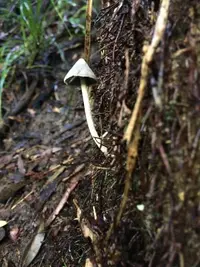
Entoloma canoconicum
Entoloma canoconicum
honey pinkgill
Entoloma cetratum