Stinking Orange Oyster Care (Phyllotopsis nidulans)

Also known as: Mock Oyster Mushroom
Stinking Orange Oyster

About Stinking Orange Oyster

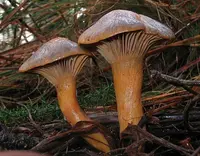
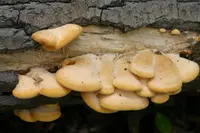
Stinking orange oyster (Phyllotopsis nidulans) is a small, saprophytic fungus that grows on dead or decaying hardwood, especially in cool, temperate forests. It forms bright orange, fan-shaped caps with a velvety surface and dense, pale gills, often appearing in overlapping clusters on logs or stumps.

This species is known for its strong, unpleasant odor, which helps distinguish it from edible oyster mushrooms. It is not grown as a traditional ornamental or edible crop, so how to care for Stinking Orange Oyster mainly concerns providing suitable wood, shade, and consistent moisture for those studying or cultivating it.

In nature, it prefers cool, damp conditions and shaded woodland habitats, helping break down dead wood and recycle nutrients in forest ecosystems.

Main Plant Requirements

Care Difficulty

Hard Care

Light Preference

Shade

Water Requirements

Keep Soil Moist

Temperature Preference

Cool Climate

Hardiness Zone

Unknown

Soil Texture

Organic-rich, Loamy, Peaty

Soil pH

Acidic (5.5–6.5)

Soil Drainage

Moist but well-drained

Fertilization

Minimal (feed rarely)

Get Personalized Care Plan

Scan your plant to receive care tips personalized for your specific plant

Available on iOS and Android

How to Care for the Stinking Orange Oyster

This wood-inhabiting fungus prefers cool, shaded forest conditions rather than direct open sun.

  • Provide bright shade or dappled light under trees, with no more than 1–2 hours of weak morning sun and no direct afternoon sun on fruiting bodies.
  • Ensure host logs or stumps sit where they receive filtered light; deep shade slows growth, while strong sun dries tissue and shortens Stinking Orange Oyster longevity.
  • In summer, protect from hot, drying exposures; in winter, natural low-angled light in deciduous woods is usually sufficient without extra shading.

Moist, not waterlogged, conditions around colonized wood support reliable fruiting.

  • Keep the substrate or log evenly moist; in dry spells, water when the outer 2–3 cm feel dry, aiming for thorough soaking rather than frequent light sprinkles.
  • Phyllotopsis nidulans declines in standing water, so ensure rain can drain away and avoid siting logs in depressions where puddles persist.
  • In hot, windy weather, monitor more often for cracking or dull, faded caps, which indicate dryness; slimy, foul-smelling, collapsing clusters suggest excess moisture and poor air flow.

This species fruits best in cool to mild conditions typical of autumn in temperate forests.

  • Optimal fruiting usually occurs around 45–60°F (7–16°C), with mycelial growth beginning earlier as wood stays cool and moist.
  • Growth slows noticeably below about 35°F (2°C), and hard frost can damage exposed fruiting bodies, though embedded mycelium often survives short cold spells.
  • Sustained temperatures above 70°F (21°C), especially with low humidity, dry out substrates and reduce fruiting; choose shaded, cool exposures to buffer summer heat.

This wood-inhabiting fungus prefers consistently moist, high-humidity environments to fruit well.

  • Aim for 70–90% humidity around the fruiting area, mimicking damp woodland air for reliable development.
  • Tolerates brief dips to 50–60% but dry air slows growth and can halt fruiting of Stinking Orange Oyster.
  • Watch for small, cracked, or prematurely shriveling caps as signs of low humidity stress.
  • Increase humidity by misting the fruiting chamber walls, adding open water trays, or using a humidifier with fresh air exchange.

Phyllotopsis nidulans does not use soil in the usual sense and instead fruits from decaying wood or wood-based substrates.

  • Provide a substrate of well-decayed hardwood logs, hardwood sawdust, or a supplemented sawdust–woodchip block with high organic matter.
  • Ensure the substrate drains freely yet stays moist by avoiding compacted, mud-like mixtures that hold stagnant water.
  • Maintain a slightly acidic environment, around pH 5.5–6.5, using hardwood-based materials rather than alkaline additives like large amounts of lime or ash.
  • Improve aeration by mixing in coarse wood chips or shredded straw, avoiding fine, densely packed particles that restrict oxygen penetration and promote anaerobic pockets.

This species can be grown in containers when wood-based substrates are packed into bags, tubs, or buckets with airflow control.

  • Use rigid containers or tightly packed grow bags that keep the substrate stable so developing clusters do not tear away from their base.
  • Drill or cut side openings where fruits should emerge so moisture is retained in the core while surfaces still receive oxygen.
  • Choose opaque containers to limit light on the substrate itself, which helps maintain a cooler, more stable microclimate for colonization and fruiting.

This wood-decaying fungus typically needs no fertilizer when growing on nutrient-rich logs or stumps.

Pruning is not applicable for Phyllotopsis nidulans, as it is a saprophytic fungus rather than a managed garden plant.

Transplanting is seldom practical, since this fungus depends on colonized wood rather than normal potting substrates.

  • If cultivation is attempted, move only fully colonized wood rather than trying to lift individual fruiting bodies.
  • Transplant during mild, moist weather to reduce desiccation of the mycelium, the thread-like feeding network.
  • Place the colonized log in a similar shaded, humid location with good air flow.
  • Avoid disturbing or cutting into the wood too much, which can disrupt the mycelial network and slow regrowth.

Propagation of Phyllotopsis nidulans is mainly of academic or specialty interest rather than routine home culture.

  • In nature, this species spreads by spores, which germinate on suitable dead hardwood in cool, moist conditions.
  • For hobby cultivation, transfer mycelium on colonized dowels or small wood pieces into fresh, clean logs.
  • Best establishment occurs in cool seasons with consistent moisture and shade, limiting direct sun and drying winds.
  • Maintain good hygiene and avoid contaminating the substrate with soil or other competing fungi.

Outdoor colonies of this temperate fungus generally tolerate normal winter conditions with no special care.

Care Tips

Use clean hardwood

Inoculate only fresh, disease-free hardwood logs or blocks, since contaminated or decayed wood strongly reduces colonization and fruiting success.

Control fruiting airflow

Provide gentle but steady air movement around forming caps to limit bacterial slime and off-odors while still preventing the substrate from drying out.

Stage-wise hygiene

Treat spawn preparation and early colonization as near-sterile stages, then relax to clean but not sterile conditions once the substrate is fully white and consolidated.

Monitor substrate compaction

Pack sawdust or chip-based substrates firmly enough to retain moisture but not so tight that mycelium struggles to penetrate more than 3–4 cm from the surface.

Seasonal fruiting timing

Time fruiting initiation for cool, moist months that mimic autumn forest conditions, which reliably improves yield and consistency when growing Stinking Orange Oyster.

Common Pests and Diseases

Fungus gnat larvae

This pest thrives in very damp, organic substrates such as agar, grain, or sawdust blocks used to grow this mushroom. Larvae tunnel through the mycelium and developing fruiting bodies, causing misshapen or aborted caps and spreading secondary contaminants.

Solution

Limit standing moisture, use fine mesh or sticky traps around the fruiting area, and keep grow spaces screened to reduce adult gnats. If larvae are present, discard heavily infested blocks, improve air movement and surface drying between mistings, and use biological controls such as Bacillus thuringiensis israelensis (Bti) where food-safety rules permit.

Mites

These insects are minute arthropods that feed on mycelium and young fruiting bodies, particularly in warm, humid grow rooms or on stored culture grain. Symptoms include slowed colonization, pitted or discolored tissue, and tiny moving specks on substrate or caps.

Solution

Quarantine any suspect cultures, discard heavily infested substrates, and clean benches, tools, and shelves thoroughly. Reduce clutter, keep humidity within recommended levels for the species, and use physical barriers or appropriate biological controls to prevent reinfestation while maintaining safe conditions for edible fungi.

Green mold (Trichoderma)

This disease appears as rapidly spreading, bright to dark green patches on colonizing substrate or even on the base of fruiting bodies. Symptoms include stalled mycelium growth, a musty odor, and eventual collapse or contamination of the entire block or plate.

Solution

Remove and discard contaminated blocks or plates promptly, avoiding spore spread during handling. Sterilize or disinfect shelves, tools, and containers, improve sterile technique and fresh air exchange, and avoid over-wetting substrates so the mushroom mycelium can outcompete mold during initial colonization, which is key to Phyllotopsis nidulans care instructions.

Bacterial blotch

This disease is caused by opportunistic bacteria that flourish on constantly wet mushroom surfaces in poorly ventilated grow spaces. Symptoms include slimy, water-soaked, or greasy-looking spots on caps, sometimes with an off odor and rapid tissue breakdown.

Solution

Reduce surface moisture by adjusting misting frequency and duration, and increase gentle airflow so caps dry quickly after watering. Remove and discard affected fruiting bodies, sanitize misting equipment and nearby surfaces, and avoid overhead splashing that can spread bacteria from one cluster to another.

Interesting Facts

Strong carrion odor

Mature fruiting bodies produce a notable foul smell, often compared to rotten cabbage or sewage, which is thought to deter mammals from eating them and may influence insect visitation.

Cold-season fruiting

This species typically fruits in cool to cold weather, often appearing on decaying hardwood logs and stumps in late fall and winter when many other fungi are absent.

Orange hairy caps

The caps are bright orange to apricot and covered with fine hairs, and the gills often become paler and more faded with age, creating a distinct contrast between the cap surface and the underside.

Botan icon

Did you know?

Despite its striking orange color, this wood-decaying fungus is generally considered inedible due to its strong smell and poor texture, and it is mainly of interest to mycologists and foragers as a distinctive indicator of advanced wood decomposition in cool seasons.

FAQs about Stinking Orange Oyster

This species is generally considered inedible due to its tough texture, unpleasant odor, and poor taste. Some sources list it as potentially mildly toxic. It is safest to avoid consumption and treat it as non-edible.

Grow Healthy Plants with Botan Care

Keep your plants happy and healthy with plant identification, disease detection, and easy care guidance.

Botan plant care app — identify plants on mobile

Explore More Plants