Lavender Baeospora Care (Baeospora myriadophylla)

Lavender Baeospora

About Lavender Baeospora

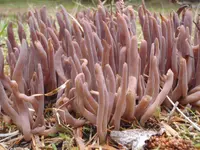
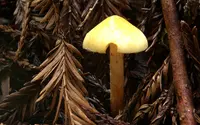
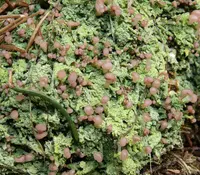
Lavender Baeospora, Baeospora myriadophylla, is a small, delicate mushroom rather than a leafy houseplant. It produces tiny, lavender to pale lilac caps with very crowded gills, often forming scattered clusters on decaying conifer cones and woody debris. This fungus is naturally found in cool, moist forests of North America and parts of Europe, where it plays a role in breaking down organic matter. It is not a typical choice for indoor cultivation and can be challenging to maintain in controlled conditions. Those interested in how to care for Lavender Baeospora should understand that it relies on specific forest-like moisture and substrate conditions that are difficult to replicate at home.

Main Plant Requirements

Care Difficulty

Moderate Care

Light Preference

Partial Shade

Water Requirements

Moderate Water

Temperature Preference

Cool Climate

Hardiness Zone

Unknown

Soil Texture

Loamy, Organic-rich

Soil pH

Acidic (5.5–6.5)

Soil Drainage

Moist but well-drained

Fertilization

Minimal (feed rarely)

Get Personalized Care Plan

Scan your plant to receive care tips personalized for your specific plant

Available on iOS and Android

How to Care for the Lavender Baeospora

This small woodland fungus prefers cool, shaded forest conditions with gentle, indirect light.

  • Provide bright dappled shade or full shade, allowing only brief early-morning sun; avoid direct midday or afternoon sun that dries leaf litter too quickly.
  • Aim for areas that receive 1–3 hours of low-angle light or consistent filtered light through trees, similar to natural conifer or mixed woodland edges.
  • In summer, protect fruiting spots from strong, prolonged sun exposure, which can desiccate the substrate and shorten the lifespan of Lavender Baeospora fruiting bodies.

This forest-floor fungus depends on consistently moist, well-drained organic substrate rather than direct watering.

  • Maintain evenly moist leaf litter or decaying wood, allowing the top 2–3 cm to stay slightly damp but not waterlogged to prevent bacterial and mold issues.
  • Increase monitoring during warm, dry periods; substrate that becomes crisp, pale, and hard indicates underwatering and can halt fruiting.
  • Avoid stagnant water or compacted, poorly drained soil, which encourages rot; mushrooms turning slimy, dark, or collapsing quickly often signal excess moisture.

This species favors cool, moist forest conditions and is sensitive to both hard frost and intense heat.

  • Optimal fruiting usually occurs around 45–60°F (7–16°C), typical of cool autumn or early spring woodland conditions.
  • The fungus can tolerate brief drops close to 32°F (0°C), but repeated hard frosts or frozen substrate reduce fruiting success.
  • Sustained temperatures above 70°F (21°C), especially combined with dry air, tend to dry the substrate and shorten the life of Baeospora myriadophylla fruiting bodies.

This fungus prefers consistently moist air but usually manages in typical home humidity if kept from drying out completely.

  • Aim for 60–80% humidity by keeping its substrate damp and avoiding strong drying air currents.
  • Crisping or shrinking of caps and gills indicates humidity stress and substrate moisture loss.
  • Increase humidity locally by using a humidity dome, clear tub with vent holes, or a room humidifier nearby without direct misting.

For Baeospora myriadophylla, the key is a consistently moist, well-aerated organic substrate rather than true garden soil.

  • Use a loose mix based on well-decayed wood chips, leaf litter, and a small portion of fine compost to mimic forest floor duff.
  • Ensure rapid drainage so water passes through within seconds, avoiding any waterlogged or compacted layers that limit air to the mycelium.
  • Maintain slightly acidic to neutral conditions around pH 5.5–7.0, which favors healthy fungal growth and fruiting.
  • Improve aeration by including coarse wood chips or shredded bark and avoid dense clay, peat-only mixes, or heavily fertilized potting media.

This species can be grown in containers if the substrate depth and aeration mimic a loose, decomposing forest-floor layer.

  • Choose a wide, shallow tub or tray to give the mycelium horizontal spread while preventing deep, air-poor zones.
  • Drill multiple side and bottom holes so excess water drains quickly and fresh air can enter through the lower substrate profile.
  • Use opaque or dark-colored containers to limit light exposure to the substrate, which helps maintain moisture and stable microclimate for fruiting bodies.

This wood-decaying fungus, sometimes called Lavender Baeospora, normally does not need supplemental fertilizer when growing on naturally fallen conifer wood.

Baeospora myriadophylla does not require pruning because it is a saprobic mushroom that completes its life cycle on dead wood.

This species is not suited to conventional container culture, so focus on providing the right woody substrate rather than repotting.

  • Transplant only as a colonized piece of conifer wood or bark, moving the entire substrate without disturbing it.
  • Time any move for cool, moist conditions in autumn to limit drying and thermal stress on the mycelium.
  • Avoid shaking, cutting, or breaking the wood, which can damage the internal fungal network and slow regrowth.
  • Place the substrate in a shaded, humid spot with similar airflow and moisture to the original site.

Propagation of Baeospora myriadophylla is specialized and usually left to experienced growers or researchers rather than home cultivation.

This fungus is naturally cold hardy in temperate forests and usually needs no special winter care when left in situ on its host wood.

Care Tips

Mimic forest duff

Top-dress the pot or terrarium with a thin layer of fine, well-aged leaf litter to imitate the natural conifer forest floor and support the mycelium that produces fruiting caps.

Use cool-night cycling

Provide a daily drop to 45–55°F for several hours at night in autumn and winter to trigger more reliable fruiting and better color when growing Lavender Baeospora.

Gentle air exchange

Run a small fan on low near, but not directly at, the culture to keep air slowly moving, which reduces fungal pathogens while preventing the substrate from drying out.

Targeted misting routine

Mist the air above and around the substrate rather than spraying it directly, so caps and gills stay firm and clean instead of becoming waterlogged and prone to rot.

Timed flush management

After each flush of mushrooms, carefully remove all spent stems and loosen just the top 0.5–1 cm of substrate to improve gas exchange and prepare the surface for the next fruiting wave.

Common Pests and Diseases

Fungal cap spotting

This disease causes small purplish to brown spots or patches on the mushroom caps, often starting near the center and spreading outward. Symptoms include a slightly sunken, discolored surface and premature cap aging.

Solution

Remove and discard affected fruiting bodies promptly, then reduce surface moisture by improving air movement around the culture and avoiding overhead misting that keeps caps wet for long periods. Sanitize tools and growing equipment between harvests and keep humidity in the recommended range for growing Lavender Baeospora to limit new infections.

Bacterial blotch

This disease leads to greasy, irregular yellow to brown patches on caps and sometimes on stems, often associated with standing water droplets on the surface. Symptoms include soft, water-soaked tissue that deteriorates quickly.

Solution

Discard all visibly affected mushrooms and reduce free water on caps by adjusting misting schedules so surfaces dry between cycles. Increase ventilation, avoid splashing water from contaminated areas, and clean benches, trays, and tools with a disinfectant safe for food-production environments.

Mite infestation

These pests are tiny arthropods that feed on developing mycelium and young fruiting bodies, causing pin aborts, distorted caps, and reduced yields. Symptoms include fine debris, slow or patchy growth, and sometimes visible whitish or brown moving specks on the substrate or stems.

Solution

Isolate affected culture trays, remove heavily infested material, and improve hygiene by closing off unfiltered air inlets and sealing gaps that allow mites in. Use fresh, pasteurized or sterilized substrate, keep the growing room clean and dry between flushes, and, if needed, apply a targeted mite control product labeled for mushroom production while following all safety directions.

Green mold contamination

This disease is caused by competitive molds that colonize the substrate or casing layer, forming dense white growth that turns bright green as spores develop. Symptoms include stunted or absent mushroom formation in contaminated areas and a musty odor.

Solution

Carefully remove and seal contaminated substrate and dispose of it away from the grow area, avoiding disturbance that spreads spores. Thoroughly clean and disinfect the growing room, tools, and containers, improve substrate sterilization or pasteurization, and maintain strict hygiene and proper fresh air exchange to favor healthy Baeospora myriadophylla growth over mold.

Interesting Facts

Lavender gill coloration

The gills of this small mushroom start pale but develop a distinctive lilac to pinkish‑lilac tint as the spores mature, which is unusual among many tiny brownish woodland fungi.

Miniature conifer associate

This species typically fruits in needle litter under spruce, fir, or other conifers in cool forests, forming dense clusters on the decomposing needles and contributing to nutrient cycling in these habitats.

Extremely crowded gills

The species name myriadophylla refers to its very densely packed, narrow gills, which greatly increase spore-producing surface area on an otherwise tiny cap.

Botan icon

Did you know?

Molecular phylogenetic studies have shown that this delicate, short-lived mushroom belongs to the family Cyphellaceae, reshaping earlier views of its relationships within the agaricoid fungi and highlighting how DNA data can overturn traditional morphology-based classifications.

FAQs about Lavender Baeospora

This fungus does not adapt well to typical houseplant or garden culture. It appears seasonally on decaying conifer debris in cool, moist forests. Attempts at Lavender Baeospora indoor care are usually unsuccessful outside controlled laboratory or terrarium-style conditions.

Grow Healthy Plants with Botan Care

Keep your plants happy and healthy with plant identification, disease detection, and easy care guidance.

Botan plant care app — identify plants on mobile

Explore More Plants