Bleachy Entoloma Care (Entoloma ferruginans)

Bleachy Entoloma

About Bleachy Entoloma

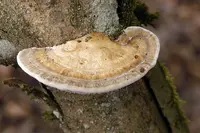
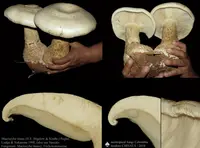
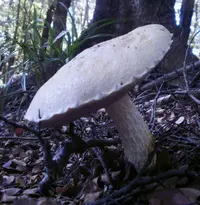
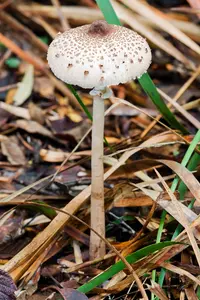
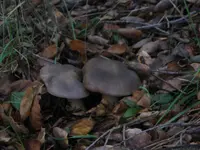
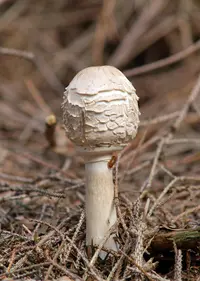
Bleachy entoloma, Entoloma ferruginans, is a small, ground-dwelling fungus rather than a leafy plant. It produces pale to rust-brown caps with gills that often show a pinkish tint as spores mature.

This species usually appears in woodland or forest edges in temperate regions, growing on soil rich in decaying organic matter. It is not considered a beginner-friendly species to cultivate, because fungi have specific temperature, moisture, and substrate needs that are difficult to control indoors.

Lightly shaded, cool, and consistently moist conditions are generally preferred, similar to its natural forest habitat. Any attempt to care for Bleachy Entoloma should focus on replicating these stable, undisturbed conditions as closely as possible.

Main Plant Requirements

Care Difficulty

Hard Care

Light Preference

Partial Shade

Water Requirements

Moderate Water

Temperature Preference

Cool Climate

Hardiness Zone

Unknown

Soil Texture

Loamy, Organic-rich

Soil pH

Acidic (5.5–6.5)

Soil Drainage

Moist but well-drained

Fertilization

Minimal (feed rarely)

Get Personalized Care Plan

Scan your plant to receive care tips personalized for your specific plant

Available on iOS and Android

How to Care for the Bleachy Entoloma

Entoloma ferruginans develops best in cool woodland-style light rather than direct, open sun.

  • Aim for bright, dappled light or light shade, similar to a deciduous forest floor receiving 2–4 hours of gentle morning sun and indirect light the rest of the day.
  • Avoid strong midday or afternoon sun, which can dry the substrate and damage delicate fruiting bodies of the Bleachy Entoloma, reducing size and longevity.
  • In summer, provide more shade and moisture retention; in spring and autumn, slightly more open canopy light can help trigger and support fruiting.

Watering for Entoloma ferruginans focuses on maintaining evenly moist, well-aerated substrate rather than a set schedule.

  • Keep the upper 2–3 cm of leaf litter or soil just moist; water or irrigate gently when it feels barely damp, not dry and crumbly.
  • Use a loose, well-drained, organic-rich substrate so excess water runs off; persistent puddling, sour odor, or slimy mycelium indicate overwatering and poor aeration.
  • In warmer, windy periods, check moisture daily; in cool, wet seasons, rely more on natural rainfall and only supplement if the surface layer begins to dry and crack.

This fungus prefers cool to mild conditions, similar to shaded woodland climates.

  • Optimal development usually occurs around 50–68°F (10–20°C), with fruiting most reliable in consistently cool, moist weather.
  • Short exposures down to about 32°F (0°C) may be tolerated, but hard frost below this and repeated freeze–thaw cycles can damage mycelium and fruiting bodies.
  • Sustained heat above 77–82°F (25–28°C), especially with low humidity and high sun, tends to halt fruiting and can dry the substrate, so deeper shade and moisture help buffer summer spikes.

This fungus does not require managed humidity and relies on natural outdoor conditions.

Entoloma ferruginans fruits best in cool, moist, organic-rich woodland soils with consistent structure.

  • Aim for a loose, humus-rich loam built from decomposed leaf litter, fine bark, and a small amount of native mineral soil.
  • Ensure moisture-retentive but free-draining conditions; water should infiltrate quickly without puddling or remaining soggy.
  • Maintain slightly acidic to neutral pH around 5.5–7.0 by using leaf mold or coniferous litter rather than liming materials.
  • Avoid compacted, heavily tilled, fertilized, or contaminated substrates, which disrupt the fungal mycelium and associated soil community.

This woodland fungus is not suitable for conventional container growing and should be left in undisturbed ground habitats.

Entoloma ferruginans is a wild ectomycorrhizal fungus that normally requires no supplemental fertilizer when growing in suitable soil with its tree hosts.

Pruning is not applicable to Entoloma ferruginans, as it is a wild mushroom rather than a conventional garden plant.

Transplanting this wild fungus is not recommended because its life cycle depends on a stable partnership with tree roots and undisturbed soil.

  • Avoid attempting to lift or move fruiting bodies; they are only the visible part of a larger, delicate underground network.
  • If mushrooms appear in a managed area, leave the soil and nearby tree roots undisturbed for best fungal health.
  • For observation, photograph or document clusters in place instead of relocating them to containers or new sites.

Propagation of Entoloma ferruginans is not practical for home growers and is usually left to natural spore dispersal in suitable woodland habitats.

No specific winter care is required, as this woodland fungus persists in soil year-round and fruits when seasonal conditions suit it.

Care Tips

Host tree selection

Establish this mycorrhizal fungus near compatible broadleaf trees such as oaks or beeches, since its long‑term persistence depends on forming root partnerships rather than on soil amendments or fertilizing nearby plants.

Low‑disturbance ground

Choose a site where leaf litter can accumulate and foot traffic, raking, and digging are minimal, because repeated disturbance breaks up the fine fungal network and can reduce future fruiting.

Leaf litter management

Leave a thin, continuous layer of deciduous leaf litter and only remove thick, soggy mats, which maintains a natural substrate for the mycelium while preventing prolonged waterlogging around fruiting bodies.

Moisture buffering mulch

Apply a light, airy mulch such as shredded leaves or fine bark around but not directly on top of emerging caps to stabilize soil moisture and temperature without smothering the fungus.

Monitoring and records

Keep simple notes or photos each season of where and when mushrooms appear, as this helps refine site management and timing when caring for Bleachy Entoloma in the same area over multiple years.

Common Pests and Diseases

Mycophagous springtails

These insects feed on fungal tissue, often grazing gills and caps and leaving pitted or roughened surfaces on fruiting bodies. Symptoms include small holes, surface scarring, and sometimes distorted or stunted mushrooms in moist litter or moss.

Solution

Limit excess surface moisture by avoiding stagnant water and improving drainage and airflow around fruiting sites. Gently remove heavily infested fruiting bodies, reduce thick accumulations of decaying organic debris right at the colony, and if needed use sticky traps and careful habitat adjustment rather than broad-spectrum insecticides to preserve the surrounding forest soil community.

Fungus gnat larvae

This pest lives in moist organic substrates and can tunnel into developing mushroom primordia and stems. Symptoms include soft, water-soaked spots, small entry holes, and premature collapse of young fruiting bodies.

Solution

Reduce overly wet conditions in the immediate fruiting area by allowing the surface layer of litter or substrate to drain and avoiding water pooling. Remove and discard visibly damaged mushrooms, use fine mesh or physical barriers to limit adult gnat access, and if necessary apply a targeted Bacillus thuringiensis israelensis (Bti) product to the substrate while avoiding broader disturbance to the woodland floor.

Slugs and snails

These mollusks readily consume soft fungal tissue, leaving large irregular holes and shredded cap margins. Symptoms include slime trails on and around mushrooms and rapid overnight loss of fruiting bodies.

Solution

Hand-pick slugs and snails during damp evenings and relocate them away from the fruiting area, and reduce nearby hiding spots such as dense ground clutter directly adjacent to colonies. Where intervention is needed, use iron phosphate pellets placed at a distance from the main fruiting zone instead of metaldehyde baits, which are more hazardous to pets and wildlife.

Desiccation damage

This condition occurs when fruiting bodies are exposed to drying winds or unseasonably warm, low-humidity periods, causing caps to crack, edges to curl, and gills to dry and discolor. Symptoms include brittle texture and stalled spore production.

Solution

Maintain a buffered microhabitat by preserving leaf litter, moss, and woody debris that naturally hold moisture around colonies. Avoid raking or stripping the forest floor near known patches, and in managed or observation areas consider using loose leaf mulch or temporary shade from branches to stabilize humidity without waterlogging the substrate, which supports more stable Entoloma ferruginans care instructions.

Interesting Facts

Rust-brown spore print

This species produces a distinctly rusty to brown spore print, a key diagnostic feature separating it from many other pale or whitish-gilled mushrooms in the same habitats.

Bleach-like odor

Fresh fruiting bodies often have a sharp, bleach- or chlorine-like smell, which inspired the common name Bleachy entoloma and helps field mycologists distinguish it from similar-looking fungi.

Affinity for conifers

It is most often recorded in coniferous or mixed woodlands on acidic soils, where it fruits on the forest floor among litter and moss rather than directly on wood.

FAQs about Bleachy Entoloma

This species is regarded as inedible and potentially poisonous. It should never be eaten or used for cooking. Identification within the Entoloma group is difficult, so for safety, treat all similar mushrooms in the area as unsafe for consumption.

Grow Healthy Plants with Botan Care

Keep your plants happy and healthy with plant identification, disease detection, and easy care guidance.

Botan plant care app — identify plants on mobile

Explore More Plants