Thin-walled Maze Polypore Care (Daedaleopsis confragosa)

Also known as: Thin-maze Polypore, Blushing Bracket
Thin-walled Maze Polypore

About Thin-walled Maze Polypore

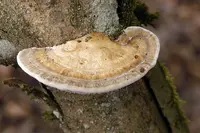
Thin-walled maze polypore, Daedaleopsis confragosa, is a bracket fungus rather than a typical leafy plant. It forms tough, fan-shaped fruiting bodies on dead or weakened hardwood, especially willow and birch. The surface shows pale to reddish brown zones, while the underside has a maze-like pattern of elongated pores instead of round holes. It is widely distributed in temperate regions of Europe, Asia, and North America, where it plays an important role in wood decay. For those interested in how to care for Thin-walled Maze Polypore in cultivation, it generally prefers cool, shady, consistently moist conditions and wood-based substrates rather than soil.

Main Plant Requirements

Care Difficulty

Moderate Care

Light Preference

Partial Shade

Water Requirements

Keep Soil Moist

Temperature Preference

Cold Hardy

Hardiness Zone

4–9

Soil Texture

Loamy, Organic-rich

Soil pH

Acidic (5.5–6.5), Slightly acidic (6.5–7.0)

Soil Drainage

Moist but well-drained

Fertilization

Minimal (feed rarely)

Get Personalized Care Plan

Scan your plant to receive care tips personalized for your specific plant

Available on iOS and Android

How to Care for the Thin-walled Maze Polypore

This bracket fungus thrives in shaded woodland conditions rather than direct open sun.

  • Provide dappled or filtered light under trees, with no more than 1–2 hours of weak direct sun, ideally early morning only.
  • Ensure the host log or stump sits in partial to full shade; Thin-walled Maze Polypore often fruits best on the shaded side of trunks.
  • Protect from intense midday and afternoon sun, which can dry fruiting bodies quickly and shorten their lifespan, especially in summer.

This wood-decaying fungus relies on consistent ambient moisture in its environment rather than direct watering.

  • Allow the host log or stump to remain naturally damp but not waterlogged; avoid standing water around the base to reduce rot and competing molds.
  • In dry periods, lightly moisten surrounding leaf litter when the top 2–3 cm feel crisp and dusty, rather than spraying Daedaleopsis confragosa directly.
  • Watch for shriveling or brittle fruiting bodies as a sign of prolonged dryness, and for soggy, collapsing tissue as an indicator of excessive moisture.

This species is adapted to temperate climates and tolerates a wide range of outdoor temperatures.

  • Optimal fruiting usually occurs around 50–70°F (10–21°C), typical of cool, moist spring and autumn conditions in many temperate woodlands.
  • Mycelium in the wood can often survive short dips near 20°F (-6°C), but repeated hard freezes with no insulating snow may reduce vigor.
  • Sustained heat above 85°F (29°C), especially with low humidity, can dry and crack fruiting bodies, so shaded, moist microsites help buffer extremes.

This bracket fungus is not humidity-sensitive and tolerates a wide range of outdoor moisture conditions.

Daedaleopsis confragosa is a wood-decaying fungus that develops on moist dead hardwood rather than in conventional soil.

  • Provide freshly cut or recently fallen hardwood logs (birch, willow, or poplar) with intact bark instead of any soil-based substrate.
  • Keep the log consistently moist but not submerged, as prolonged standing water reduces oxygen and slows fungal colonization.
  • Maintain the log in a shaded, wind-sheltered area to reduce surface drying and prevent the woody substrate from cracking.
  • Avoid mineral soil, potting mixes, and heavily treated lumber, since low organic wood content and chemicals inhibit mycelium growth.

This species is generally unsuitable for conventional container growing and is best cultivated on outdoor logs or stumps rather than in pots.

Daedaleopsis confragosa is a wood-decay bracket fungus that normally obtains all nutrients from its host and does not benefit from fertilization in cultivation.

Daedaleopsis confragosa requires almost no pruning, since its brackets are short-lived fruiting bodies rather than leafy stems or branches.

When Thin-walled Maze Polypore is cultivated on logs or sterilized wood blocks, management focuses on renewing the substrate rather than traditional repotting.

  • Replace logs or blocks once fruiting declines and the wood becomes very light, indicating that nutrients are exhausted.
  • Plan any transfer at mild temperatures in spring or fall to limit stress on the colonized substrate.
  • Move colonized pieces gently into fresh, clean hardwood material, avoiding impact that could fracture the internal mycelium network.
  • Maintain stable moisture and good airflow after transfer so the fungus recolonizes new wood without drying out.

Propagation of Daedaleopsis confragosa for study or specialty cultivation is possible but usually handled by advanced growers or laboratories.

  • Use clean tissue or spore prints on sterile agar plates, as this species is not suited to casual home cuttings or division.
  • Once a pure culture is obtained, transfer it to sterilized grain or sawdust under hygienic conditions to expand inoculum.
  • Inoculate fresh hardwood logs or blocks during spring or early summer, when temperatures are moderate and drying is less intense.
  • Keep inoculated substrates shaded, evenly moist, and off bare soil to reduce contamination while mycelium establishes.

Outdoor colonies of Daedaleopsis confragosa on hardy trees or logs are naturally cold tolerant and usually need no special winter care.

Care Tips

Select host material

Use freshly cut, disease-free hardwood logs or large branches from willow, birch, or similar broadleaf trees, as thin-walled maze polypore establishes best on sound but moist wood rather than decayed or insect-damaged pieces.

Pre-soak inoculation logs

Before inoculating, soak the prepared hardwood sections in clean water for 12–24 hours and then drain for a day to raise internal moisture, which supports faster colonization by the fungus.

Drill pattern planning

Drill inoculation holes in offset rows 5–8 cm apart along the log, which helps the fungus spread evenly and reduces the risk of uncolonized pockets that can be taken over by wild competitors.

Limit competing fungi

Immediately seal inoculation points with food-grade wax and keep colonizing wood off bare soil to reduce contamination from other wood-decaying fungi and molds that may outcompete Daedaleopsis confragosa.

Shade and airflow placement

Position colonizing logs in consistent shade with good air movement, such as under a deciduous shrub on bricks or a pallet, to keep the wood moist but not stagnant, which is important when growing Thin-walled Maze Polypore outdoors.

Common Pests and Diseases

Bark beetles

These insects can tunnel into dead or weakened host wood that supports the fruiting bodies, disturbing the fungus and altering its structure. Symptoms include small round exit holes in the log and frass (fine sawdust) around the base.

Solution

Remove and discard heavily infested wood to break the beetle life cycle, and store decorative brackets on sound, dry wood with good airflow. For outdoor logs, avoid stacking in large, shaded piles and use physical barriers like fine mesh if repeated infestations occur.

Wood-boring larvae

These insects feed inside the dead hardwood where the bracket fungus grows, which can cause the fruiting bodies to become misshapen, crumbly, or partially detached. This pest is common where cut logs are left in damp, shaded areas for long periods.

Solution

Cut out and dispose of badly damaged sections of wood and any loose, hollowed brackets. To reduce further damage, keep display pieces or cultivation logs off bare soil, improve drying between rains, and consider replacing highly degraded wood rather than trying to preserve it.

Mollusk grazing

These pests, mainly slugs and snails, sometimes rasp the soft, fresh pore surface of young brackets, leaving irregular bite marks and slime trails. Damage is mostly cosmetic but can distort the maze-like pores when grazing is heavy.

Solution

Hand-pick slugs and snails from around the host wood in the evening, and reduce hiding places such as dense groundcover and debris. For decorative or study specimens, elevate the wood on stands and, if needed, use copper tape barriers around display areas to limit mollusk access.

Competitive wood-decay fungi

This disease pressure comes from other bracket or crust fungi colonizing the same dead log, which can outcompete or overrun existing fruiting bodies over time. Symptoms include new fungal growths of different color or texture emerging beside or over existing brackets.

Solution

If maintaining a specific colony, remove and destroy competing fruiting bodies as they appear and avoid moving contaminated wood or tools between logs. Use fresh, uncolonized hardwood for new pieces and maintain moderate dryness and airflow to favor stable, long-lived brackets while acknowledging that full exclusion of other fungi is rarely possible when growing Thin-walled Maze Polypore.

Interesting Facts

Maze-like pore surface

Unlike many bracket fungi with round pores, this species has elongated, maze-like tubes that can merge and change shape with age, giving it a distinctive labyrinth pattern used for field identification.

Color change with age

Fresh brackets often show zoned bands of reddish, pinkish, and gray-brown tones, but these colors fade to dull brown as the fruiting body ages and dries, which can make older specimens harder to recognize.

Indicator of willow decay

This fungus commonly fruits on dead or dying willow and birch, and its presence is often a reliable sign that white rot is well established in the heartwood of the host tree.

Botan icon

Did you know?

Microscopic examination shows that this species has dimitic hyphal structure, meaning it has two distinct types of hyphae in its fruiting body, a feature that helps mycologists separate it from similar-looking bracket fungi in the field and in the lab.

FAQs about Thin-walled Maze Polypore

This bracket fungus grows naturally outdoors on dead or dying wood and does not adapt to typical indoor conditions. Thin-walled Maze Polypore indoor care is generally impractical, so it is best observed in natural or woodland-style garden settings.

Grow Healthy Plants with Botan Care

Keep your plants happy and healthy with plant identification, disease detection, and easy care guidance.

Botan plant care app — identify plants on mobile

Explore More Plants