


Use clean substrate
Prepare a fruiting substrate by pressure-sterilizing or oven-pasteurizing hardwood sawdust or straw to reduce contamination from competing fungi and bacteria before inoculation.

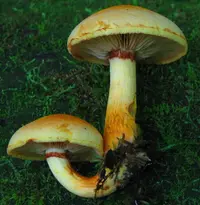
Yellow Gymnopilus (Gymnopilus luteus) is not a true plant but a wood-rotting mushroom species. It typically forms small to medium, bright yellow to orange caps with slender stems, often growing in clusters on dead or decaying wood.
This fungus is native to temperate regions and is usually found in forests, woodland edges, or areas with buried wood debris. It helps decompose woody material, playing an important ecological role in nutrient cycling.
For those who want to learn how to care for Yellow Gymnopilus in cultivation, it is important to understand that it is a saprophytic fungus that prefers consistently moist, shaded, wood-rich environments and is not suited to typical indoor pot culture.

Care Difficulty
Moderate Care

Light Preference
Partial Shade

Water Requirements
Keep Soil Moist

Temperature Preference
Warm Climate

Hardiness Zone
Unknown

Soil Texture
Loamy, Organic-rich

Soil pH
Acidic (5.5–6.5)

Soil Drainage
Moist but well-drained

Fertilization
Minimal (feed rarely)
Scan your plant to receive care tips personalized for your specific plant
Available on iOS and Android
This wood-decay fungus prefers moderate light that mimics dappled woodland conditions.
This species depends on consistently moist, well-aerated wood or woody debris rather than direct watering of the fruiting bodies.
This fungus performs best in cool to mild conditions resembling natural forest floors.
This fungus grows best outdoors in naturally moist, humid air but tolerates short dry periods.
Gymnopilus luteus fruits on decaying wood or very woody organic substrate rather than typical garden soil.
This species can be grown in containers if the vessel mimics a moist, wood-filled forest microhabitat.
Gymnopilus luteus typically grows on decaying wood and does not need added fertilizer in natural conditions.
Pruning is generally unnecessary for Gymnopilus luteus because the fruiting bodies are short-lived and arise from wood rather than forming a persistent plant structure.
This species is usually managed by renewing its woody substrate rather than classic repotting, since fruiting bodies emerge from colonized wood.
Propagation of Gymnopilus luteus is specialized and generally carried out by trained growers rather than casual home gardeners.
In outdoor woodland settings, Gymnopilus luteus usually requires little targeted winter care because the mycelium is buffered inside wood.

Plant Health Check
Not sure what's wrong with your plant? Check your plant's health inside the app.
Mature fruiting bodies typically show a bright yellow to yellow‑orange cap that often develops a slightly darker center, helping distinguish this species from many brown‑capped wood‑rot fungi in the same habitat.
This species is a saprotroph, meaning it feeds on dead organic matter, and is most often found decomposing well‑rotted conifer wood, where it contributes to nutrient recycling in forest ecosystems.
Although not recommended for consumption, the mushroom flesh of this species is described in the literature as having a distinctly bitter taste, which helps separate it from some edible yellowish look‑alikes when experts perform traditional identification tests.
This mushroom is not considered edible and should be treated as potentially poisonous. It contains bitter compounds and may have neuroactive substances. For safety, avoid eating it and do not use it in cooking or home remedies.
Keep your plants happy and healthy with plant identification, disease detection, and easy care guidance.

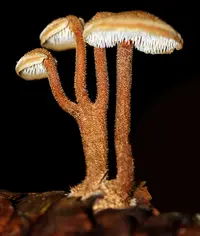
Earpick Fungus
Auriscalpium vulgare
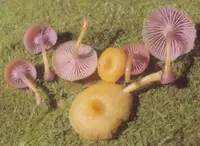
Chromosera cyanophylla
Chromosera cyanophylla
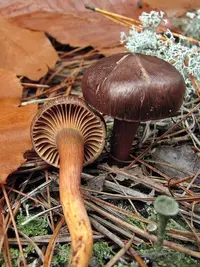
Pine Spikes
Chroogomphus vinicolor
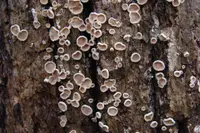
Acanthophysium oakesii
Acanthophysium oakesii
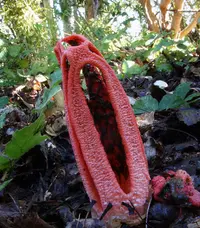
column stinkhorn
Clathrus columnatus
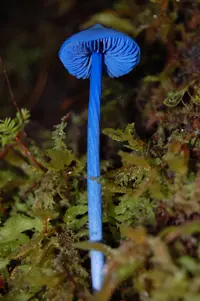
Werewere-kokako
Entoloma hochstetteri
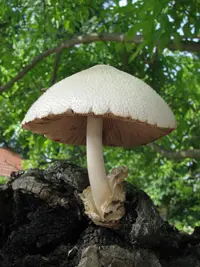
Silky Rosegill
Volvariella bombycina
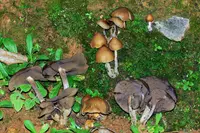
Psilocybe zapotecorum
Psilocybe zapotecorum