Oak mazegill Care (Daedalea quercina)

Also known as: Maze-gill fungus
Oak mazegill

About Oak mazegill

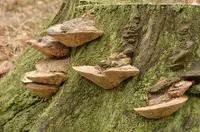
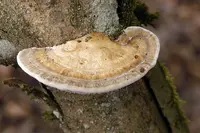
Oak mazegill (Daedalea quercina) is a bracket fungus that forms tough, shelf-like fruiting bodies on dead or living oak trunks and large branches. It has a pale to tan upper surface and a distinctive maze-like pore layer underneath instead of gills.

This species is native to Europe and parts of western Asia, where it plays an important role in breaking down oak wood. It is not a traditional houseplant or garden ornamental, and attempts to care for Oak mazegill usually focus on supporting suitable host wood rather than the fungus itself.

It is generally associated with well-aerated, decaying oak in cool to mild, moist woodland conditions, and it does not adapt well to typical pot or indoor culture.

Main Plant Requirements

Care Difficulty

Moderate Care

Light Preference

Partial Shade

Water Requirements

Regular Water

Temperature Preference

Cold Hardy

Hardiness Zone

4–9

Soil Texture

Loamy, Silty, Organic-rich

Soil pH

Slightly acidic (6.5–7.0), Neutral (7.0)

Soil Drainage

Moist but well-drained

Fertilization

Minimal (feed rarely)

Get Personalized Care Plan

Scan your plant to receive care tips personalized for your specific plant

Available on iOS and Android

How to Care for the Oak mazegill

This wood-decay fungus prefers forest light conditions rather than full open sun exposure.

  • Provide dappled or broken shade, similar to woodland understory light, with only 1–3 hours of weak direct sun, ideally early morning.
  • Avoid intense midday and afternoon sun, which can dry and crack Oak mazegill fruiting bodies, especially during warm, dry periods.
  • Ensure partial shade year-round; in winter leafless canopies increase light, so use north or east-facing aspects to reduce strong, low-angle sun in exposed sites.

This fungus develops best on naturally moist but not waterlogged oak wood.

  • Rely on ambient rainfall for outdoor logs; the wood should feel slightly damp inside but not saturated or slimy on the surface.
  • In prolonged dry spells, lightly hose or soak the host log until the outer 2–5 cm feel cool and moist, then let excess water drain away fully.
  • Signs of excess moisture include sour or rotten smell and soft, collapsing tissue, while very dry, brittle fruiting bodies indicate underwatering.

This species is adapted to temperate climates and tolerates a broad temperature range on outdoor oak wood.

  • Optimal growth on wood typically occurs around 50–77°F (10–25°C), common in spring and autumn in temperate oak forests.
  • Fruiting bodies and mycelium usually tolerate lows near 14°F (-10°C), with short dips slightly below if wood is thick and not exposed to drying winds.
  • High summer temperatures up to about 86°F (30°C) are tolerated if humidity stays moderate and the log is shaded, but prolonged heat and drying winds can halt activity.

Humidity is not a significant factor for Daedalea quercina, which naturally grows on exposed oak wood in outdoor conditions.

This wood-decay fungus does not grow in conventional potting soil but instead colonizes solid oak wood with suitable moisture and aeration conditions.

  • Provide seasoned but not fully rotted oak logs or large branches, as the fungus specializes in decaying oak heartwood rather than loose substrates.
  • Keep the wood evenly moist but never waterlogged, allowing excess water to drain away so internal air spaces remain oxygenated.
  • Avoid soils, compost mixes, or heavily compacted organic matter, which restrict natural mycelium spread and may favor competing fungi.
  • If using log segments in a landscape bed, raise them slightly on stones or supports so water can drain and air can circulate around the wood.

This species is not suitable for true container growing, since it requires solid oak wood rather than a soil-based medium.

This wood-decaying fungus grows on nutrient-rich oak and generally does not need supplementary fertilization in cultivation.

Pruning is not a standard practice for Daedalea quercina, as fruiting bodies naturally age and are gradually replaced.

This species is typically established outdoors on oak logs or stumps rather than grown in pots, so focus on correct placement instead of routine repotting.

  • Select sound, untreated oak wood placed in a shaded, humid, well-ventilated site to mimic natural log conditions.
  • Transplant inoculated logs in late spring or early fall, when temperatures are mild and moisture is more stable.
  • Move and handle logs gently to avoid cracking the wood or dislodging developing mycelium.
  • After moving, water the surrounding soil or ground lightly to stabilize humidity around the colonized wood.

Propagation of this bracket fungus is usually left to specialists and is not commonly attempted by home growers.

Oak mazegill is very cold hardy in its natural range and usually requires no special winter care once established on outdoor oak wood.

Care Tips

Select proper host

Attach culture plugs only to sound, untreated oak logs or stumps with intact bark, since this species is strongly host-specific and colonizes Quercus wood far more reliably than other hardwoods.

Control wood moisture

Store inoculated logs in a shaded, rain-sheltered but humid area and periodically hose the bark if it starts to crack, keeping the wood moist enough for steady mycelium growth without letting it stand in water.

Seal inoculation points

After drilling and inserting dowels or spawn, seal each hole and any fresh cut surfaces with cheese wax or soy wax to reduce contamination by competing fungi and to slow moisture loss from the wood.

Stack logs correctly

Arrange logs in a loose crib or lean-to stack that keeps them off bare soil and allows good air movement around all sides, which lowers the risk of rot at contact points and helps the fungus fruit evenly.

Monitor colonization progress

Check the cut ends of the wood every few months for whitening and firm, fibrous texture, and if colonization stalls, adjust shade and moisture before assuming failure, as caring for Oak mazegill often requires long, patient establishment on the host log.

Common Pests and Diseases

Wood-boring beetles

These insects exploit the decaying oak wood colonized by the fungus and tunnel through it, accelerating structural breakdown of logs or standing dead trees. Symptoms include powdery frass, small round exit holes, and increasingly brittle wood around the Oak mazegill fruiting bodies.

Solution

Remove and, if safe and permitted, dispose of heavily infested wood to reduce beetle populations, and avoid storing cut oak with active brackets near structures or valuable timber. Where conservation of the substrate is important, keep wood off the ground, covered but well ventilated, and use fine-mesh barriers around high-value pieces to limit beetle access.

Competing saprotrophic fungi

This disease pressure comes from other wood-decaying fungi colonizing the same oak substrate, which can outcompete or overgrow the Daedalea quercina mycelium. Symptoms include mixed bracket species on the same log, patchy or stunted maze-gill development, and rapid changes in wood color or texture.

Solution

Cut and remove clearly different fruiting bodies from competing fungi if the goal is growing Oak mazegill for study or display, and maintain the oak substrate in a shaded but airy position to favor stable moisture rather than repeated wet–dry extremes. When starting new cultures on logs, use fresh, sound oak wood and inoculate promptly to give D. quercina a colonization advantage.

Mold contamination on fruiting bodies

This disease appears as fuzzy white, gray, or green growth on the maze-gill surface or upper crust when conditions are overly humid and stagnant. Symptoms include discolored patches, softened tissue, and a dusty surface on older brackets.

Solution

Improve air movement around the brackets by increasing spacing between logs and avoiding plastic coverings that trap moisture. Remove and discard heavily molded portions; in managed displays, lightly reduce surface moisture with shorter misting periods and ensure the substrate is moist but not waterlogged.

Slug and snail grazing

These pests feed on the softening margins and pore surfaces of the fruiting bodies, leaving irregular bite marks, slime trails, and sometimes large missing sections. This damage mostly affects the appearance and lifespan of individual brackets rather than the underlying mycelium.

Solution

Hand-pick slugs and snails during damp evenings and reduce nearby hiding places such as dense ground cover, boards, or debris. If the brackets are maintained for educational or ornamental purposes, consider using copper barriers or coarse grit around display logs to discourage mollusk movement without directly treating the fungus.

Interesting Facts

Maze-like spore surface

Instead of typical gills or round pores, this fungus has elongated, labyrinth-like tubes on the underside of the fruiting body, which inspired its common name oak mazegill.

Strict oak specialist

It grows almost exclusively on dead or dying oak wood in nature and is rarely found on other tree genera, making it a useful field indicator of oak material in decayed logs.

Exceptionally tough fruiting body

The brackets are woody and cork-hard, often persisting for several years on the same log and accumulating insect damage, algae, and lichens over time.

Botan icon

Did you know?

The complex maze pattern of its pore surface changes as the fruiting body ages, and has been used as a natural model for studying how mechanical stresses and growth patterns shape irregular biological structures.

FAQs about Oak mazegill

This bracket fungus is considered inedible due to its very tough, woody texture. It is not known to be dangerously poisonous, but it is unsuitable for culinary use and should not be foraged as food.

Grow Healthy Plants with Botan Care

Keep your plants happy and healthy with plant identification, disease detection, and easy care guidance.

Botan plant care app — identify plants on mobile

Explore More Plants