White Cheese Polypore Care (Tyromyces chioneus)

White Cheese Polypore

About White Cheese Polypore

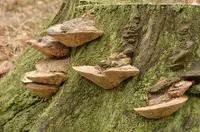
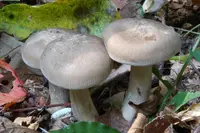
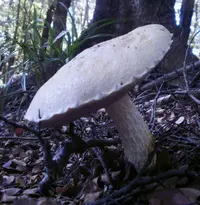
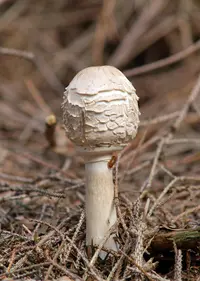
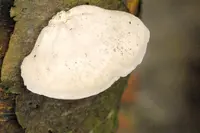
White cheese polypore (Tyromyces chioneus) is a wood-decaying bracket fungus, not a typical leafy plant. It forms soft, white, semicircular shelves on dead hardwood, often on birch. The caps have a smooth to slightly hairy surface and porous underside, with a texture that can resemble cream cheese when fresh.

This species occurs across temperate regions of North America and Europe, mainly in cool, moist forests. It plays an important ecological role by breaking down dead wood. For anyone wanting to learn how to care for White Cheese Polypore in cultivation, it is generally maintained on sterilized wood substrates in consistently cool, humid, low-light conditions, which can be challenging for beginners.

Main Plant Requirements

Care Difficulty

Moderate Care

Light Preference

Shade

Water Requirements

Keep Soil Moist

Temperature Preference

Cool Climate

Hardiness Zone

Unknown

Soil Texture

Loamy, Organic-rich

Soil pH

Acidic (5.5–6.5)

Soil Drainage

Moist but well-drained

Fertilization

Minimal (feed rarely)

Get Personalized Care Plan

Scan your plant to receive care tips personalized for your specific plant

Available on iOS and Android

How to Care for the White Cheese Polypore

This bracket fungus grows best in low to moderate forest light rather than direct open sun.

  • Provide dappled or filtered light under tree canopies, with no more than 1–2 hours of gentle morning sun and full shade by afternoon.
  • Avoid strong midday and afternoon sun, which can dry the substrate and slow development of White Cheese Polypore fruiting bodies.
  • In summer, prioritize deep shade; in autumn and winter, slightly more open, indirect light is acceptable as ambient intensity is lower.

This wood-decaying fungus relies on consistently moist, not saturated, conditions in its host wood or substrate.

  • Maintain evenly moist wood; allow the surface to feel just barely damp rather than dripping, and avoid standing water around logs or stumps.
  • If conditions are dry, lightly moisten the substrate when the outer 2–3 cm of wood or mulch feel dry, using a fine spray rather than heavy soaking.
  • Reduce supplemental moisture in cool, wet seasons; signs of excess include sour odor or slimy patches, while shriveling margins suggest underwatering.

This species prefers cool to mild conditions typical of temperate forests.

  • Aim for 50–70°F (10–21°C) for most growth, with particularly active development toward the cooler end of this range.
  • Tyromyces chioneus tolerates near-freezing temperatures down to about 32°F (0°C), but hard, prolonged frost below this can damage fruiting bodies.
  • Heat above 80°F (27°C), especially if combined with low humidity, can dry the substrate and shorten lifespan, so provide shade and moisture buffering in hot spells.

This bracket fungus tolerates a wide humidity range but fruits best in consistently moist air.

  • Aim for 60–80% humidity to support steady fruiting body development on its woody substrate.
  • It copes with brief drier spells, but prolonged air below 45–50% can slow growth and dry young brackets.
  • Low humidity stress shows as cracked, tough, or prematurely yellowing tissue on the pore surface.
  • Increase humidity by misting nearby wood, using a humidifier, or placing culture containers above shallow water trays without submerging the substrate.

This wood-decaying fungus does not use soil in the usual sense but benefits from a prepared woody substrate with specific structural properties.

  • Use freshly cut or well-hydrated hardwood logs or blocks with a firm yet porous structure rather than any mineral soil mix.
  • Ensure the wood drains freely after soaking, so internal spaces stay moist but not waterlogged and anaerobic.
  • For bag or block culture, combine hardwood sawdust with 10–30% wheat bran or similar supplement and mix in coarse wood chips to increase aeration.
  • Avoid conifer wood, heavily decayed logs, compacted sawdust, and any substrate that stays saturated, which encourages competing molds and harms Tyromyces chioneus mycelium.

This species can be grown in containers when treated as a wood-based culture rather than a typical potted plant.

  • Choose thick plastic buckets or tubs that hold weight and drill side and bottom holes to balance drainage with high internal humidity.
  • Raise containers slightly off the ground so drainage holes stay clear and water does not pool against the wood block.
  • Stabilize upright logs or blocks in the container with wedged stones or cross-braces to prevent tipping as fruiting bodies emerge asymmetrically.

Tyromyces chioneus is a wood-decay fungus that usually does not need direct fertilization when grown on suitable logs or stumps.

Pruning is not relevant for Tyromyces chioneus because it is a bracket fungus rather than a leafy plant or shrub.

Tyromyces chioneus is established on dead or decaying wood, so management focuses on choosing and positioning fresh substrate rather than classic repotting.

  • Select sound, untreated hardwood logs or stumps with intact bark as the main substrate.
  • Introduce spawn into drilled holes or natural cracks, then seal with wax to reduce moisture loss.
  • Move inoculated wood only during cool, overcast conditions to limit drying stress.
  • If growth declines after several years, inoculate a new log instead of disturbing the old one.

Propagation of Tyromyces chioneus is usually done by inoculating fresh wood with spawn rather than through typical plant propagation methods.

  • Use clean sawdust or plug spawn sourced from a reliable supplier to reduce contamination risk.
  • Inoculate freshly cut or well-hydrated hardwood in spring or early summer.
  • Keep colonizing logs in a shaded, wind-sheltered spot with moderate, steady moisture.
  • Allow the mycelium to fully colonize the wood for several months before expecting fruiting bodies.

White Cheese Polypore is naturally cold hardy on outdoor hardwood and typically needs no special winter care in temperate climates.

  • Leave colonized logs outdoors so natural cold cycles can trigger normal fungal development.
  • Position wood where winter water drains freely to avoid prolonged submersion or ice buildup.
  • For container-kept logs, ensure drainage holes stay open and avoid placing them on solid ice or in standing water.

Care Tips

Use Fresh Substrate

Prepare small fresh hardwood logs or dense branches each season, since this fungus rapidly exhausts its food source and fruits best on recently cut, undecayed wood.

Control Competing Fungi

Strip bark and remove any visible molds or other bracket fungi from the log before inoculation so Tyromyces chioneus can colonize without competition and produce more consistent fruiting bodies.

Maintain Even Moisture

Soak inoculated logs in clean, non-chlorinated water for 12–24 hours if they become very dry, then let them drain in a shaded, sheltered spot to rehydrate the wood without causing anaerobic rot.

Optimize Air Exchange

Position colonized wood so air can move freely around the brackets, avoiding tight corners and enclosed boxes, which helps reduce bacterial slime and keeps the pore surface white and functional.

Implement Rotation System

Set up a simple rotation of inoculated logs by age, retiring wood after 2–3 fruiting seasons and replacing it with newly inoculated pieces to keep a steady cycle when growing White Cheese Polypore.

Common Pests and Diseases

wood-boring beetles

These insects tunnel into the dead hardwood substrate colonized by the fungus, creating galleries that interrupt fruiting body development. Symptoms include small round exit holes in the wood and chewed or deformed brackets with frass (sawdust-like material).

Solution

Remove and discard heavily infested wood and replace it with clean, well-seasoned hardwood if you want to continue growing White Cheese Polypore on logs or blocks. Store inoculated wood off the ground with good airflow and cover it with mesh or fine screening to reduce beetle access, especially during warm months when adults are active.

fungus gnats

These insects are often attracted to moist, organic substrates and can lay eggs in sawdust or supplemented blocks supporting this bracket fungus. Symptoms include small, dark flying insects around the fruiting area and larvae feeding in the top layer of the substrate, which can dry or deform developing fruiting bodies.

Solution

Reduce excess surface moisture, improve ventilation, and allow the top layer of the substrate to dry slightly between heavy waterings or misting. Use yellow sticky traps near the fruiting area and, if needed, drench the substrate surface with a biological control product containing Bacillus thuringiensis israelensis (Bti) to target larvae without harming the fungus.

competing molds

This disease complex occurs when fast-growing molds such as Trichoderma or Penicillium colonize the same wood or sawdust, outcompeting the fungus and reducing or distorting fruiting. Symptoms include green, blue, or gray fuzzy patches on the substrate or at the base of brackets and a sharp or musty odor instead of the usual mild fungal smell.

Solution

Cut away and discard visibly moldy sections of substrate and any badly affected fruiting bodies. Improve hygiene by using clean tools, sterilized or pasteurized substrate, and better airflow; in small setups, reduce humidity slightly and increase fresh air exchange to slow molds while maintaining enough moisture for Tyromyces chioneus care instructions to remain effective.

bacterial blotch

This disease develops on moist, poorly ventilated fruiting bodies, causing water-soaked, translucent to brown spots and a slimy surface. Symptoms include patches that feel slippery, may smell sour, and can spread across overlapping brackets in very humid, stagnant air.

Solution

Increase fresh air exchange, avoid direct misting of the fruiting bodies, and water the substrate instead so surfaces can dry between cycles. Remove and discard badly spotted brackets, wipe down nearby surfaces with a mild 3–5% bleach solution, and keep humidity in a moderate range with good airflow to prevent future outbreaks.

Interesting Facts

Cheese-like pore texture

The fresh pore surface of this fungus is notably soft and rubbery, with a texture and appearance that early mycologists compared to white cheese, which is reflected in the species name chioneus, meaning snow-white.

Selective hardwood decomposer

This species is a white-rot fungus that specializes in dead or dying hardwoods such as birch, aspen, and maple, efficiently breaking down lignin and leaving behind pale, fibrous wood.

Cold-season fruiting

In temperate climates, fruiting bodies often appear in cool, late-season conditions and can persist into winter, remaining visible on logs and stumps long after many other bracket fungi have deteriorated.

Botan icon

Did you know?

This species can cause a type of trunk rot high in standing hardwood trees, and the decay it produces can create cavities that later provide nesting or shelter sites for birds and small mammals.

FAQs about White Cheese Polypore

This fungus spreads locally along dead or dying hardwood by releasing spores and expanding its mycelium in the wood. It does not spread aggressively in soil or across a garden, but it can extensively decay infected logs.

Grow Healthy Plants with Botan Care

Keep your plants happy and healthy with plant identification, disease detection, and easy care guidance.

Botan plant care app — identify plants on mobile

Explore More Plants