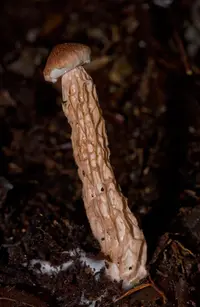
Brownish Chroogomphus Care (Chroogomphus rutilus)

Also known as: Copper Spike
Brownish Chroogomphus

About Brownish Chroogomphus

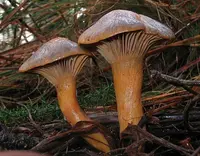
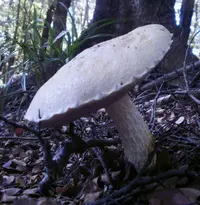
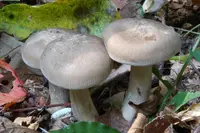
Brownish Chroogomphus, Chroogomphus rutilus, is a mycorrhizal mushroom that partners with conifer tree roots in forests and plantations. It forms sturdy, brownish to reddish-brown caps with a thick, often slightly sticky surface and a robust stem.

This species occurs mainly in temperate regions of Europe, parts of Asia, and has been recorded in North America, typically on sandy or well-drained soils under pines. It is considered a relatively approachable species for foragers, but successful cultivation at home is complex, so most people care for Brownish Chroogomphus indirectly by maintaining healthy conifer hosts.

It generally favors cool conditions, consistent soil moisture around host trees, and open woodland light rather than deep shade or full, harsh sun.


Main Plant Requirements

Care Difficulty

Moderate Care

Light Preference

Partial Shade

Water Requirements

Regular Water

Temperature Preference

Cool Climate

Hardiness Zone

Unknown

Soil Texture

Loamy, Sandy, Organic-rich

Soil pH

Acidic (5.5–6.5), Slightly acidic (6.5–7.0)

Soil Drainage

Moist but well-drained

Fertilization

Minimal (feed rarely)

Get Personalized Care Plan

Scan your plant to receive care tips personalized for your specific plant

Available on iOS and Android

How to Care for the Brownish Chroogomphus

This ectomycorrhizal fungus prefers bright woodland conditions with filtered light rather than open field exposure.

  • Target dappled or light shade under pines or other conifers, with roughly 2–4 hours of direct morning sun and bright, indirect light for the rest of the day.
  • Protect Brownish Chroogomphus from strong midday and late-afternoon sun, which can dry the upper soil and litter layer too quickly and stress the fungal network.
  • In hotter months, increase shade cover slightly, while in cooler seasons allow more open canopy so enough light reaches the ground to support associated host tree photosynthesis.

Chroogomphus rutilus depends on stable moisture in the upper soil and litter layer rather than frequent surface soaking.

  • Aim for consistently moist but not saturated soil; allow the top 2–3 cm of forest floor or mulch to start drying between natural rain events before adding supplemental water.
  • Provide deep, infrequent irrigation that penetrates 10–15 cm into the soil, then allow excess to drain freely to prevent waterlogging and loss of soil oxygen.
  • Reduce supplemental watering in cool or wet seasons, and watch for signs of excess moisture such as persistent puddling, sour smell, or fungal mats turning soggy and collapsing.

This species develops best in cool to mild conditions typical of conifer woodlands.

  • Optimal fruiting usually occurs around 55–68°F (13–20°C), though the mycelium in soil remains active across a broader cool range outside peak heat.
  • Minimum tolerated temperatures for the underground mycelium can drop near 23°F (-5°C) if soil is insulated by litter, but surface fruiting bodies are easily damaged by direct frost.
  • High temperatures above about 80°F (27°C) combined with dry conditions slow or stop fruiting, so shaded sites and adequate soil moisture help buffer summer heat extremes.

Humidity is not a primary factor for Chroogomphus rutilus, which thrives mainly in well-balanced soil moisture outdoors.

Chroogomphus rutilus develops best in loose, well-aerated soil that mimics its natural forest floor conditions.

  • Use a sandy loam with abundant organic matter, such as leaf litter or well-rotted compost, to provide both structure and nutrients.
  • Ensure very rapid drainage, as standing water suppresses fungal development; slightly moist, never waterlogged, conditions are needed.
  • Aim for slightly acidic soil, around pH 5.5–6.5, which supports ectomycorrhizal relationships with host conifer roots.
  • In heavy or compact soils, mix in coarse sand and small bark pieces to increase pore space and oxygen availability around the fungal mycelium.

This species is generally unsuitable for container growing because it relies on complex mycorrhizal relationships with living conifer roots in open ground.

This ectomycorrhizal mushroom relies mainly on its pine host and usually needs no supplemental fertilizer in gardens or natural settings.

Chroogomphus rutilus does not require pruning, as it is a wild mushroom rather than a conventional garden plant.

This fungus is not suited to typical repotting and is rarely grown in containers, since it depends on a living pine root system.

  • Only consider transplanting when moving young pine seedlings that already host the fungus on their roots.
  • Transplant during cool, moist conditions in autumn or early spring to limit stress.
  • Keep as much native soil intact around the pine roots as possible to preserve fungal threads.
  • Water gently after transplanting and maintain even soil moisture while the seedling re-establishes.

Propagation of Chroogomphus rutilus under cultivation is difficult because it depends on a specific symbiosis with pine roots.

In suitable climates this mycorrhizal mushroom is naturally cold hardy and needs no special winter care beyond protecting its pine host.

Care Tips

Pine-Based Substrate

Mix fresh, unsprayed pine needles and a small amount of weathered pine sawdust or chips into the top 5–10 cm of soil to better mimic the natural mycorrhizal habitat and improve the chances of establishing the fungus around host pine roots.

Host Tree Selection

Plant or use existing young pines (especially 3–10 year old Pinus species) as hosts, since this fungus forms mycorrhiza on living pine roots and fruits more reliably near actively growing trees with a well-developed but not overly old root system.

Minimal Soil Disturbance

Avoid digging, rototilling, or frequent raking in the colonized area so that the fine mycelial network and mycorrhizal root tips remain intact and can continue to support regular fruiting.

Targeted Mulch Management

Apply a light, open mulch layer of pine needles or coarse bark rather than dense organic mulches, keeping it 2–3 cm deep to retain moisture while still allowing good gas exchange around the fungal and root zone.

Careful Harvest Technique

Cut fruiting bodies at the base with a clean knife instead of pulling them out, and gently replace disturbed needles or litter, which helps protect the underlying mycelium and supports long-term Chroogomphus rutilus care.

Common Pests and Diseases

Mycophagous springtails

These insects feed on fungal tissue, often tunneling into caps and stems of young mushrooms and leaving pitted or ragged surfaces. Symptoms include small surface holes, shallow galleries, and accelerated decay of fruiting bodies.

Solution

Harvest mushrooms promptly once caps expand, remove and discard heavily infested fruiting bodies, and reduce excess surface moisture in cultivation beds to make the habitat less favorable. In outdoor beds, turn and refresh top mulch between flushes, while in controlled setups use fine mesh barriers and good drainage to limit access and standing water.

Fungus gnat larvae

This pest lives in moist substrate and can chew on developing primordia and bases of mushroom stems, leading to deformed, water-soaked, or collapsing fruiting bodies. Symptoms include tiny black adult gnats flying near beds and soft, damaged tissue near the substrate surface.

Solution

Allow the top layer of the substrate to dry slightly between heavy waterings, remove damaged mushrooms promptly, and avoid waterlogged conditions. Fine insect netting over cultivation areas, yellow sticky traps for adults, and careful control of organic debris in and around beds help interrupt the life cycle without chemical treatments.

Mite contamination

These pests, including various soil and mushroom mites, feed on fungal mycelium and fruiting tissue, causing slow, irregular mushroom development and scarred or speckled caps. Symptoms include very small moving dots on caps or stalks and fine surface scarring or browning.

Solution

Discard heavily infested mushrooms and refresh or replace contaminated substrate where practical. Keep beds clean of old, decomposing material, avoid overfertilizing with rich manures, and, in indoor setups, quarantine new substrates, use clean tools, and maintain moderate, not excessive, humidity to limit mite population growth.

Bacterial blotch

This disease occurs under persistently wet conditions, creating greasy, yellow-brown, or darker spots on mushroom caps that can expand and merge. Symptoms include slimy patches and rapid softening of affected tissue.

Solution

Reduce overhead watering, avoid splashing soil onto caps, and water at the substrate level so surfaces dry quickly. Improve airflow around fruiting bodies in sheltered or indoor culture, promptly remove blotched mushrooms, and clean tools and trays regularly to reduce bacterial spread.

Green mold contamination

This disease, often caused by Trichoderma species, produces dense white mycelium that turns bright or dull green on the substrate, outcompeting the intended fungus. Symptoms include reduced or absent mushroom formation and patches of green sporulating mold on the growing surface.

Solution

Physically remove and discard heavily contaminated substrate sections and any affected mushrooms, taking care not to spread spores. Improve hygiene of tools and containers, pasteurize or properly compost new substrates before use, avoid overwatering, and maintain good air exchange so the intended mycelium can colonize quickly and resist green mold overgrowth while growing Brownish Chroogomphus in controlled beds.

Interesting Facts

Unusual mycorrhizal partner

This fungus forms a specialized three-way association that involves both pine roots and the common bolete Suillus luteus, an uncommon type of mycorrhizal network among mushrooms.

Color change when cooking

The caps are typically reddish brown to wine colored when fresh, but they can darken or take on more muted tones when cooked, a feature noted by foragers in Europe and North America.

Sticky, fibrous cap surface

The cap often has a slightly viscid, sticky surface when moist and a fibrous, almost silky texture, which helps distinguish it from many superficially similar brown mushrooms in pine forests.

Botan icon

Did you know?

In several European countries, especially in parts of Spain and Eastern Europe, this species has a long tradition as an edible wild mushroom and is still gathered in pine forests as a local seasonal food, although it is much less known in English-speaking countries.

FAQs about Brownish Chroogomphus

Yes, this species is considered edible and is collected as a wild mushroom in some regions. Only harvest from clean, correctly identified populations, cook thoroughly, and avoid specimens from polluted roadsides, industrial sites, or unknown mixed collections.

Grow Healthy Plants with Botan Care

Keep your plants happy and healthy with plant identification, disease detection, and easy care guidance.

Botan plant care app — identify plants on mobile

Explore More Plants