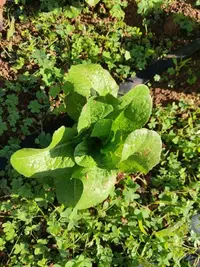
lotus Care (Ziziphus lotus)

Also known as: Lotus of the Lotophages
lotus

About lotus

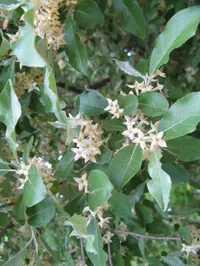
Ziziphus lotus is a spiny, woody shrub from arid and semi-arid regions around the Mediterranean. It forms dense, thorny thickets with small leaves and pale, inconspicuous flowers that develop into round, yellowish edible drupes. The plant is strongly drought-tolerant and adapted to hot, dry climates and poor, often sandy or rocky soils. Its deep root system and slow to moderate growth make it resilient but less suitable for small, highly manicured gardens. It suits low-maintenance, dry landscapes where long-term structure and erosion control are important, and its needs illustrate how to care for lotus in harsh, sunny conditions.

Main Plant Requirements

Care Difficulty

Easy Care

Light Preference

Full Sun

Water Requirements

Low Water

Temperature Preference

Warm Climate

Hardiness Zone

8–11

Soil Texture

Sandy, Loamy, Rocky

Soil pH

Neutral (7.0), Slightly alkaline (7.0–7.5)

Soil Drainage

Well-drained

Fertilization

Minimal (feed rarely)

Get Personalized Care Plan

Scan your plant to receive care tips personalized for your specific plant

Available on iOS and Android

How to Care for the lotus

Ziziphus lotus thrives in strong, direct sun typical of Mediterranean-type climates.

  • Provide 6–10 hours of full sun daily; open, unshaded positions promote dense growth and fruiting.
  • Plant tolerates light partial shade, especially in hot inland areas, but prolonged shade leads to sparse branches and fewer flowers.
  • In very hot regions, allow full morning sun with slight afternoon shade to reduce leaf scorch on young plants, while mature shrubs handle intense summer sun well.

This drought-adapted shrub prefers infrequent, deep watering once established.

  • Allow the top 5–8 cm of soil to dry completely before watering, then irrigate deeply to encourage a deep root system.
  • During the first 1–2 growing seasons, water when leaves start to lose slight gloss or curl at the edges, especially in summer heat.
  • Use very well-drained, sandy or gravelly soil; persistent wetness, soft stems, or sour smell around roots indicate overwatering stress in Ziziphus lotus.

This species is adapted to hot, dry climates with cool to mild winters.

  • Optimal growth occurs around 70–90°F (21–32°C), with most vegetative activity in warm, bright months.
  • The shrub tolerates down to about 20°F (-6°C) once established, but young plants benefit from protection during hard frosts.
  • It endures summer heat above 100°F (38°C) if soil is not waterlogged; sudden cold snaps after mild weather can damage new, tender shoots.

This drought-adapted shrub handles low humidity well and does not need special air-moisture management.

This species prefers very well-drained, sandy or gravelly soil that mimics dry, rocky habitats.

  • Use a mix of roughly 60% coarse sand or fine gravel, 30% sandy loam, and 10% compost to supply nutrients without holding excess water.
  • Ensure rapid drainage; raised beds or mounded planting help water move away from the root zone after heavy rain.
  • Aim for slightly alkaline soil, around pH 7.5–8.2, or amend acidic ground with agricultural lime before planting Ziziphus lotus.
  • Avoid compacted clay, waterlogged spots, or heavy organic mixes that stay wet for more than 24 hours after irrigation.

This shrub can be grown in containers for some years if provided with a deep, very free-draining setup.

  • Choose a tall, heavy pot to provide root depth and prevent the woody, branching canopy from tipping in strong wind.
  • Use a gritty, cactus-style mix with extra coarse sand or small gravel so water drains from the drainage holes within minutes.
  • Place the container where it will not be shaded by other pots, since restricted light quickly weakens growth in confined root space.

This drought-adapted shrub needs only light feeding in poor soils, so keep lotus fertilization modest.

  • Use a balanced slow-release fertilizer (around 10-10-10) or a thin layer of well-rotted compost in early spring.
  • Apply once per year in the growing season for in-ground plants; potted specimens may receive a second light dose in midsummer.
  • Dilute liquid feeds to 1/2 strength to avoid salt buildup and excess leafy growth at the expense of roots.
  • Avoid fertilizing during winter dormancy, as inactive roots cannot use added nutrients effectively.

Pruning Ziziphus lotus focuses on maintaining structure and removing weak wood rather than heavy reshaping.

  • Carry out main pruning in late winter or very early spring before new growth starts.
  • Remove dead, diseased, crossing, or inward-growing branches to improve airflow and reduce fungal problems.
  • Thin crowded shoots to keep a balanced, open framework and to control size where space is limited.
  • Use clean, sharp bypass pruners or loppers, making cuts just above a bud or branch junction to encourage sound regrowth.

This shrub is usually grown in the ground, so management centers on careful transplanting rather than frequent repotting.

  • Transplant young Ziziphus lotus plants in late winter or early spring while still dormant to reduce stress.
  • Look for signs like very slow growth, roots circling a nursery pot, or the plant drying out quickly as cues for moving it.
  • When transplanting, dig a wide hole, keep as much root ball intact as possible, and set at the same soil depth as before.
  • Water deeply after planting, shade lightly for the first 1–2 weeks, and maintain even moisture until new growth shows establishment.

Propagation of Ziziphus lotus is possible but somewhat slow, relying mainly on seeds and semi-ripe cuttings.

  • Collect ripe seeds in late summer, clean them, and scarify or soak to improve germination.
  • Sow seeds in a gritty, well-drained mix kept warm (68–77°F) and just slightly moist until seedlings appear.
  • Take semi-ripe cuttings in late spring to midsummer, use rooting hormone, and place in a free-draining medium under bright, indirect light.
  • Provide bottom warmth if possible and maintain high humidity without waterlogging to support root formation.

This species is naturally adapted to Mediterranean-type climates and is moderately cold hardy, so winter care is usually minimal in mild regions.

  • Mature plants tolerate light frosts, but young shrubs benefit from mulching the root zone with 5–8 cm of organic material.
  • In colder areas, wrap the base with breathable frost cloth and avoid pruning late in the season, which can stimulate tender growth.
  • Container plants in marginal climates should be moved to a sheltered, unheated but frost-free spot and kept on the dry side.

Care Tips

Wind-shaping hedges

Plant in a line and lightly tip-prune new shoots in late winter to encourage a dense, wind-resistant hedge that also reduces moisture loss from more sensitive plants behind it.


Root-zone mulching

Apply a 5–8 cm layer of mineral or coarse organic mulch around, but not touching, the stem to reduce water evaporation, buffer soil temperature, and limit weed competition in dry sites.

Salinity monitoring

In coastal or arid regions, test irrigation water salinity yearly and, if levels rise, give the root zone a deep flush with low-salinity water at the start of the growing season to prevent gradual salt buildup.

Targeted pest scouting

Inspect young shoots and leaf undersides every 2–3 weeks in spring and early summer for scale insects and psyllids, and treat early with horticultural oil according to label directions to avoid heavy infestations that are hard to control on spiny branches.

Harvest and rejuvenate

When fruiting plants become twiggy and less productive, combine the main harvest with selective removal of the oldest, most unproductive branches to stimulate stronger new fruiting wood for the next seasons while efficiently growing lotus in a compact form.

Common Pests and Diseases

Leafhoppers

These insects feed on young shoots and leaves, causing stippling, curling, and reduced vigor, and can also transmit phytoplasma diseases. This pest is favored by hot, dry, exposed conditions typical of many Ziziphus stands.

Solution

Monitor young plants and new growth regularly and prune out heavily infested twigs. Use a strong water spray to dislodge nymphs, encourage natural predators such as lacewings and lady beetles, and, if needed, apply a targeted low-toxicity insecticide such as insecticidal soap or a pyrethroid during peak nymph activity, following label directions carefully.

Fruit fly maggots

This pest attacks developing fruits, where larvae tunnel into the pulp and cause internal rotting and premature drop. Symptoms include small oviposition punctures on the skin and soft, collapsing fruit.

Solution

Collect and destroy all infested or fallen fruit promptly to break the life cycle. Use baited traps around trees, harvest fruit as soon as it reaches maturity, and in regions with heavy pressure consider fine mesh bagging of clusters or targeted protein bait sprays approved for fruit fly management.

Scale insects

These insects attach to stems and leaves, sucking sap and producing honeydew that can lead to sooty mold on Ziziphus foliage. This pest can cause yellowing leaves, twig dieback, and general decline, especially in dry, sheltered sites.

Solution

Inspect twigs and the underside of leaves and scrape off localized colonies by hand or prune out heavily infested branches. For broader infestations, wash branches with a mild soapy water solution, then apply horticultural oil during the dormant or cool season to smother scales, repeating as needed according to product instructions while avoiding high-temperature periods.

Powdery mildew

This disease appears as white, powdery patches on young leaves, shoots, and sometimes fruit, leading to distorted growth and reduced vigor. Symptoms include stunted shoots and premature leaf drop in humid conditions with poor airflow.

Solution

Improve air circulation by pruning crowded branches and avoiding overhead irrigation, especially in the evening. Remove and dispose of infected leaves and twigs, and where the problem persists use a labeled fungicide such as sulfur or potassium bicarbonate, applying preventively at the first sign of symptoms and repeating on the recommended schedule.

Leaf spot complex

This disease group causes small brown or black lesions on leaves that may merge into larger necrotic areas, sometimes with yellow halos. Symptoms include early defoliation on stressed plants, particularly after wet or humid periods.

Solution

Rake and discard fallen leaves to reduce inoculum and avoid prolonged leaf wetness by watering at soil level. Prune to open the canopy, then, if leaf loss is severe year after year, apply a broad-spectrum fungicide labeled for foliar spots at bud break and repeat during extended wet weather, following all safety and timing directions; these practices also support general Ziziphus lotus plant care.

Interesting Facts

Key shrub in psammophytic dunes

This species forms dense, thorny shrubs that help stabilize Mediterranean coastal sand dunes by trapping wind-blown sand and reducing erosion, creating microhabitats for other plants and animals.

High salinity tolerance

Ziziphus lotus can tolerate relatively saline soils and dry conditions, allowing it to persist on coastal and arid inland sites where many other shrubs cannot survive.

Important wildlife food source

Its fleshy drupes are eaten by birds and mammals, which disperse the seeds over long distances and contribute to the shrub’s patchy distribution in Mediterranean-type ecosystems.

Botan icon

Did you know?

Many botanists consider Ziziphus lotus a strong candidate for the legendary lotus of ancient Greek texts, as its sweet fruits and Mediterranean distribution match several descriptions from early classical writings.

FAQs about lotus

This shrub spreads slowly to moderately by seed and suckers. In favorable dry, open sites it can form dense thickets over time, but it is usually manageable with pruning and removal of unwanted shoots.

Grow Healthy Plants with Botan Care

Keep your plants happy and healthy with plant identification, disease detection, and easy care guidance.


Botan plant care app — identify plants on mobile

Explore More Plants