dust lichen Care (Chrysothrix candelaris)

Also known as: gold dust lichen, mustard powder lichen, Powder Gold-dust Lichen
dust lichen

About dust lichen

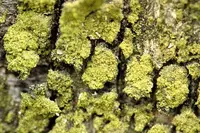
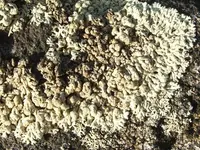
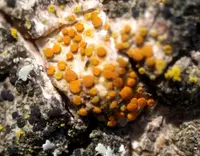
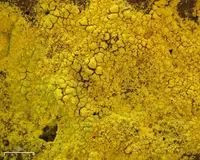
Dust lichen, Chrysothrix candelaris, is a crust-like lichen rather than a true plant. It forms fine, bright yellow to yellow‑green powdery patches on bark, rock, or old wood. The surface looks like dust or spray paint, usually in irregular cushions or thin carpets.

This species occurs widely in temperate forests of Europe, Asia, and North America, especially in humid, shaded sites with clean air. It grows slowly and depends on stable moisture and low pollution, which makes it sensitive and not easy to cultivate. For those who want to care for dust lichen, it is usually best to preserve its natural substrate and microclimate instead of moving or disturbing it.

Main Plant Requirements

Care Difficulty

Hard Care

Light Preference

Partial Shade

Water Requirements

Low Water

Temperature Preference

Cool Climate

Hardiness Zone

Unknown

Soil Texture

Rocky, Sandy

Soil pH

Acidic (5.5–6.5)

Soil Drainage

Well-drained

Fertilization

Minimal (feed rarely)

Get Personalized Care Plan

Scan your plant to receive care tips personalized for your specific plant

Available on iOS and Android

How to Care for the dust lichen

Chrysothrix candelaris thrives in bright, indirect light that mimics dappled forest conditions.

  • Aim for 3–6 hours of filtered or dappled light daily, such as light under tree canopies or on a shaded rock face.
  • Provide morning sun with afternoon shade; avoid strong midday sun that can bleach or desiccate the thallus surface.
  • In summer, protect from prolonged direct sun; in winter, ensure it still receives bright, indirect light to maintain color intensity.

Moisture for Chrysothrix candelaris should mimic natural, intermittently damp rock or bark surfaces rather than saturated soil.

  • Allow the surface or substrate to dry slightly between wetting; re-wet when it feels just dry, avoiding standing water or pooling.
  • During warm, dry periods, increase misting or brief wetting sessions, while in cool, humid seasons reduce frequency to prevent prolonged saturation.
  • Signs of overwatering include soft, darkening patches and algae growth, while crisp, faded, or brittle areas indicate underwatering or prolonged dryness.

This lichen prefers cool to mild conditions and tolerates a reasonably wide outdoor temperature range.

  • Optimal growth occurs around 50–70°F (10–21°C), typical of shaded woodland or coastal climates with stable, moderate conditions.
  • It can survive down to about 25°F (-4°C) if gradually acclimated, but repeated hard freezes and thaw cycles can damage the thallus.
  • Heat tolerance extends to roughly 80–85°F (27–29°C) if humidity is moderate to high and direct sun exposure is limited to short periods.

This lichen prefers consistently moist air and is sensitive to prolonged dryness.

  • Aim for 70–95% humidity, similar to a damp woodland or rock-face microclimate.
  • It tolerates only brief drops to 50–60% before fronds dull, shrink, or become brittle at the edges.
  • Increase humidity by misting surrounding surfaces, using a nearby pebble tray, or placing it in an enclosed, well-ventilated display to support caring for dust lichen.

Chrysothrix candelaris naturally grows on bark or rock, so it does not need or use soil in the usual sense.

  • If mounting, use a firm, inert base such as hardwood bark, cork, or stone rather than any standard potting substrate.
  • Keep the mounting surface free-draining so water runs off quickly and the lichen dries between wettings, preventing prolonged saturation.
  • Avoid peat, compost, or dense organic mixes, which trap moisture and promote decay or algal overgrowth that can smother the thallus.
  • Maintain slightly acidic to neutral conditions (pH roughly 5.0–7.0) on the surface by avoiding lime-rich aggregates or concrete-based mounts.

This species is not naturally suited to standard container culture, but it can be displayed in shallow containers as a mounted specimen rather than potted.

  • Set the mount on an elevated grid or gravel layer inside the container so runoff water never pools against the lichen surface.
  • Choose a wide, shallow, heavy container to keep the mounted piece stable and prevent tipping if the substrate is irregular or top-heavy.
  • Use a breathable material such as unglazed clay or a vented glass enclosure with open gaps to limit condensation buildup on the lichen.

Chrysothrix candelaris usually gains all needed nutrients from clean, unpolluted bark or rock and does not require intentional fertilizing.

Chrysothrix candelaris needs almost no pruning, since it is a slow-growing lichen that maintains its own shape.

Transplanting dust lichen is rarely successful and is generally discouraged, as it forms tight, sensitive bonds with its substrate.

  • If relocation is essential for conservation, move whole bark or rock sections rather than peeling the lichen off the surface.
  • Attempt work during cool, moist weather so tissue does not desiccate during handling or transport.
  • Limit disturbance of the thallus, keeping pieces oriented as they grew to reduce stress and mortality.
  • Provide similar light, moisture, and air quality conditions at the new site to support slow reattachment.

Propagation of Chrysothrix candelaris is specialized and slow, so it is not typically carried out in home or garden conditions.

This lichen is very cold hardy and normally requires no special winter care in outdoor settings.

Care Tips

Choose stable substrate

Mount the lichen on long-lasting, non-resinous materials such as aged hardwood, natural stone, or cork bark rather than soft or decaying wood, which breaks down quickly and disrupts the thallus.

Minimize handling

Handle the host surface instead of the lichen itself, since repeated touching compresses and abrades the powdery surface and slows regrowth after any disturbance.

Protect from splashing

Site the colony where it is not hit by direct hose spray or heavy drip lines, as repeated water impact physically washes off the loose granular surface and exposes bare substrate.

Encourage gentle airflow

Maintain light, steady air movement around the colony, for example by placing it in a naturally breezy but sheltered outdoor position, which helps keep the surface dry between wetting events and reduces mold growth on the substrate.

Avoid chemical exposure

Keep the lichen away from pesticide sprays, concentrated fertilizers, and exhaust sources, since Chrysothrix candelaris is sensitive to many airborne and surface contaminants and may bleach or die back after exposure when caring for dust lichen.

Common Pests and Diseases

Air pollution damage

Symptoms include bleaching, dulling, or complete disappearance of the bright yellow thallus in areas exposed to vehicle exhaust or industrial fumes. This damage results from high sensitivity to sulfur dioxide, nitrogen oxides, and other airborne pollutants.

Solution

Reduce exposure by avoiding placement near busy roads, chimneys, or enclosed spaces with combustion fumes, and improve air exchange with clean outdoor air when possible. For mounted specimens indoors, avoid cigarette smoke, incense, and gas heater exhaust, and provide good ventilation to support recovery or recolonization on the substrate.

Substrate algal overgrowth

This disease-like overgrowth appears as a green, slimy or velvety film on the bark, rock, or other substrate, gradually shading out and smothering the lichen. This condition often develops under overly wet, stagnant, and shaded conditions.

Solution

Improve light and airflow by thinning surrounding vegetation or increasing air circulation around the substrate, and avoid constant wetting from misting or irrigation. If possible, gently brush away excess algae with a soft, dry brush without scraping the lichen surface, and then maintain a drier, brighter microclimate to favor growing dust lichen instead of algae.

Heavy metal toxicity

Symptoms include blackening, crusting, or death of the lichen patches on substrates contaminated with metals such as copper, zinc, or lead. This toxicity often occurs on old treated wood, metal-rich masonry, or areas affected by industrial dust deposition.

Solution

Relocate cultivated or decorative lichen pieces away from treated timbers, painted metal, or masonry with known contamination, and choose inert, clean rock or untreated bark as the substrate. For outdoor situations, there is no direct cure on contaminated sites, so the main strategy is to provide cleaner substrates nearby where new, healthy colonies can establish.

Desiccation bleaching

This stress condition shows as pale, chalky, or powdery yellow patches that become brittle and fail to recover normal color after rewetting. It results from prolonged, intense drying with strong sun and wind beyond what the lichen can tolerate on its chosen substrate.

Solution

Provide partial shade during the hottest part of the day and limit exposure to hot, reflective surfaces such as south-facing masonry or metal. For decorative or indoor displays, avoid strong direct sun through glass, place the substrate where humidity is moderate, and if needed, rehydrate very gently with occasional fine misting, allowing the surface to dry fully between events.

Interesting Facts

Bright sulfur-yellow dust

This lichen forms a loose, powdery thallus of intense sulfur-yellow granules that typically coat dry bark, dead branches, and old fence posts, making it very conspicuous even from a distance.

Acid-rich bark specialist

It most often colonizes the acidic bark of conifers and some broadleaf trees, and its presence can indicate moderately acidic, relatively undisturbed bark surfaces in forests and woodlots.

Sensitivity to air pollution

Populations of this species often decline in areas with elevated air pollution, so its occurrence is sometimes used as a coarse bioindicator of relatively clean air in temperate forest habitats.

Botan icon

Did you know?

The vivid yellow pigment in this species is dominated by vulpinic acid and related lichen substances, which help protect the fungal-algal partnership from intense light and ultraviolet radiation by acting as natural sunscreens.

FAQs about dust lichen

Growth is slow. The thallus usually expands only a few millimeters per year, depending on moisture, light, and air quality. In polluted or very dry sites it may barely grow at all, remaining almost the same size for years.

Grow Healthy Plants with Botan Care

Keep your plants happy and healthy with plant identification, disease detection, and easy care guidance.

Botan plant care app — identify plants on mobile

Explore More Plants