Entoloma canoconicum Care

Entoloma canoconicum

About Entoloma canoconicum

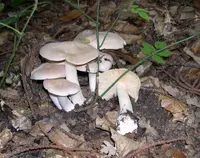
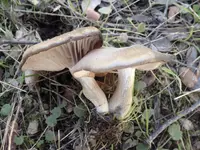
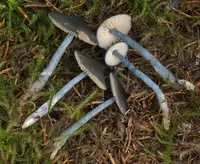
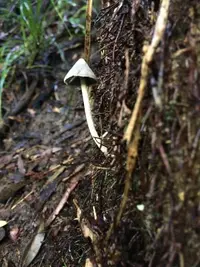
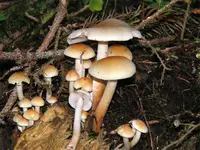
Entoloma canoconicum is a small, soil-dwelling fungus rather than a true garden plant. It produces modest, pale to grayish caps on slender stems, usually in leaf litter or grassy, undisturbed areas. Natural records are scattered, often from temperate woodland or semi-natural grassland habitats.

This species is of interest mainly to mushroom enthusiasts and field mycologists, not to typical home growers. It is not suited to regular garden or indoor cultivation, and reliable information on how to care for Entoloma canoconicum under controlled conditions is limited.

In nature, it depends on specific soil communities and organic matter, which makes deliberate cultivation challenging and unpredictable for most plant owners.

Main Plant Requirements

Care Difficulty

Hard Care

Light Preference

Partial Shade

Water Requirements

Keep Soil Moist

Temperature Preference

Cool Climate

Hardiness Zone

Unknown

Soil Texture

Organic-rich, Loamy

Soil pH

Acidic (5.5–6.5)

Soil Drainage

Moist but well-drained

Fertilization

Minimal (feed rarely)

Get Personalized Care Plan

Scan your plant to receive care tips personalized for your specific plant

Available on iOS and Android

How to Care for the Entoloma canoconicum

This woodland fungus prefers low to moderate light, similar to a shaded forest floor.

  • Provide bright shade or dappled light with only brief direct morning sun, avoiding harsh midday exposure that can dry the substrate surface too quickly.
  • Aim for conditions similar to a north-facing edge or under shrubs, where it receives indirect light for 6–8 hours but remains protected from direct afternoon sun.
  • Reduce exposure in summer by using leaf litter, taller plants, or shade cloth, since excessive sun can desiccate the fruiting area and limit Entoloma canoconicum development.

Moist but not waterlogged conditions are essential for stable fungal growth.

  • Maintain consistently damp, humus-rich soil, allowing only the top 1–2 cm to begin drying before rewetting the area with a gentle, even soak.
  • In cooler seasons, water less often but prevent the substrate from fully drying; in warm, windy weather, check moisture daily and top up as needed.
  • Watch for persistent puddling or sour odor as signs of overwatering and poor drainage, and cracking soil or shrinking mycelial patches as possible underwatering indicators.

This species is adapted to cool to mild conditions typical of temperate woodlands.

  • Support active growth and fruiting at roughly 50–68°F (10–20°C), a range that mimics many spring and autumn forest floors.
  • Protect the habitat from hard frost; short dips just below 32°F (0°C) may be tolerated, but prolonged freezing can damage underlying mycelium.
  • Limit exposure to heat above about 77–82°F (25–28°C), since sustained high temperatures combined with dry air can halt fruiting and stress the fungal network.

This species has no practical horticultural humidity requirements for home or garden care, so humidity management is not relevant.

Entoloma canoconicum is a wild fungus dependent on natural soil and is not realistically managed through conventional garden soil preparation.

  • This species associates with undisturbed, humus-rich forest soil where leaf litter and decaying wood supply structure and nutrients.
  • The fungus requires consistently moist but not waterlogged conditions in the upper soil layer, typically provided by natural mulch and organic debris.
  • Altering pH, adding sand, perlite, compost, or other amendments does not create suitable conditions if the natural woodland ecosystem is absent.
  • Avoid compacted, fertilized, or heavily disturbed soils, as these disrupt the mycelium network that underpins Entoloma canoconicum care instructions in natural habitats.

This species is not suitable for container growing, as it relies on complex woodland soil ecology that cannot be replicated in pots.

This fungus is adapted to nutrient-poor forest soils and does not need intentional fertilizing in garden or container culture.

Pruning is not applicable for Entoloma canoconicum, as it is a wild mushroom rather than a woody or herbaceous garden plant.

Transplanting this woodland fungus is rarely successful and generally not recommended, since it depends on specific soil conditions and microorganisms.

  • Leave wild colonies undisturbed; moving clumps usually disrupts the underground mycelium and reduces survival.
  • Avoid lifting fruiting bodies for transplanting, as they are only the reproductive structures, not the main organism.
  • If cultivation is attempted, focus on recreating similar soil, leaf litter, and moisture rather than shifting existing patches.

Propagation of Entoloma canoconicum is highly specialized and not a routine horticultural practice for home growers.

This fungus is naturally adapted to local seasonal cycles and usually requires no targeted winter care in situ.

Care Tips

Controlled substrate depth

Use shallow trays with a 3–5 cm deep, well-pasteurized organic substrate so the mycelium can colonize quickly and fruit more reliably while reducing contamination risk.

Staggered inoculation points

Introduce spawn at multiple small points across the tray instead of one central area to create even mycelial spread and reduce weak, uncolonized pockets.

Targeted moisture monitoring

Place a thin, clean plastic sheet loosely over the tray edges during early colonization and remove it once light condensation appears, which helps maintain surface moisture without waterlogging.

Gentle airflow management

Use a small fan set on low, directed past but not at the culture, to prevent still, stale air while keeping humidity stable enough for forming caps and gills.

Hygienic harvest practice

Twist and lift mature fruiting bodies gently at the base rather than cutting, then remove any remaining tissue and spent debris to limit mold development when caring for Entoloma canoconicum.

Common Pests and Diseases

Fungus gnat larvae

This pest targets moist fungal substrates, where the larvae graze on mycelium and developing fruiting bodies. Symptoms include slow or distorted mushroom development and small black adult flies hovering near the culture.

Solution

Reduce surface moisture, allow the top layer of the substrate or casing to dry slightly between misting, and use fine mesh or tight-fitting lids to physically exclude adults. Yellow sticky traps help monitor and reduce adult numbers, and a biological control such as Bacillus thuringiensis israelensis (BTi) can be applied according to label directions to target larvae without damaging the mycelium.

Mite infestation

These insects often arrive on contaminated substrate or tools and feed on spores, mycelium, and mushroom tissue. Symptoms include pitted or scarred caps and visible tiny moving specks on the substrate or gills under close inspection.

Solution

Discard heavily infested cultures, then clean and disinfect the growing area, tools, and containers to prevent spread. For lighter issues, improve hygiene, use pasteurized or sterilized substrate, isolate suspect trays, and reduce excess debris where mites can hide, as part of broader Entoloma canoconicum care instructions focused on clean culture management.

Green mold (Trichoderma)

This disease develops as fast-growing white mycelium that quickly turns green and powdery, often outcompeting the mushroom mycelium. Symptoms include stalled or patchy mushroom growth and a strong earthy or musty odor from the contaminated area.

Solution

Promptly remove and discard any substrate or blocks showing green patches to prevent spore spread. Clean the growing space with a suitable disinfectant, improve air filtration and cleanliness, and always use well-sterilized substrate and clean water to minimize future contamination.

Bacterial blotch

This disease appears as greasy, yellow-brown, water-soaked spots on caps and sometimes on stems, usually under very wet, stagnant conditions. Symptoms include softening tissue and an unpleasant smell in advanced cases.

Solution

Reduce overhead misting, avoid water standing on caps, and increase airflow to dry surfaces between watering cycles. Remove and discard affected fruiting bodies, clean surfaces that may hold splashed bacteria, and maintain moderate humidity with good ventilation to prevent recurrence.

Interesting Facts

Small grey-brown cap

This species forms relatively small, grey-brown, conical to bell-shaped caps that often become more flattened with age, reflecting its placement among the so‑called conic entolomas distinguished by their cap profile and coloration.

Pink spore producer

Like other Entoloma species, it produces pinkish spores, giving mature gills a characteristic salmon to pink tint that helps mycologists separate it from superficially similar brown-spored mushrooms.

Soil and litter associate

The fruiting bodies typically appear on soil or among leaf litter, where the fungus lives as a saprobe that helps decompose organic material and recycle nutrients back into the ecosystem.

FAQs about Entoloma canoconicum

This mushroom should be treated as potentially toxic. Many Entoloma species cause gastrointestinal upset, including nausea, vomiting, and diarrhea. It is not suitable for consumption by pets or people and should never be eaten.

Grow Healthy Plants with Botan Care

Keep your plants happy and healthy with plant identification, disease detection, and easy care guidance.

Botan plant care app — identify plants on mobile

Explore More Plants