Entocybe nitida Care

Entocybe nitida

About Entocybe nitida

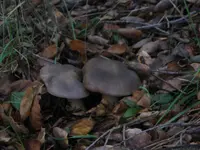
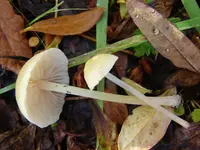
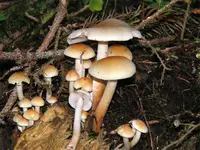
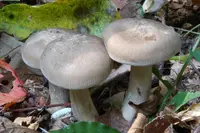
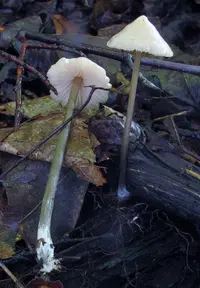
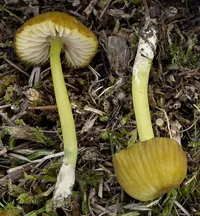
Entocybe nitida is not a typical houseplant but a small, agaric fungus that forms fragile, umbrella-shaped caps on slender stems. It usually appears in leaf litter or mossy soil, often in mixed or coniferous woodland.

The caps are smooth and often somewhat glossy when fresh, with pale to brownish tones that can help distinguish it from similar mushrooms. It tends to fruit in scattered groups rather than dense clusters.

This species is not commonly cultivated, and attempts to grow it at home are experimental. Anyone wanting to care for Entocybe nitida should understand that it depends on specific forest-like soil conditions and natural moisture patterns that are difficult to replicate reliably.

Main Plant Requirements

Care Difficulty

Moderate Care

Light Preference

Partial Shade

Water Requirements

Moderate Water

Temperature Preference

Cool Climate

Hardiness Zone

Unknown

Soil Texture

Loamy, Organic-rich

Soil pH

Slightly acidic (6.5–7.0)

Soil Drainage

Moist but well-drained

Fertilization

Minimal (feed rarely)

Get Personalized Care Plan

Scan your plant to receive care tips personalized for your specific plant

Available on iOS and Android

How to Care for the Entocybe nitida

This fungus develops best in shaded woodland sites with brief, gentle light exposure.

  • Provide dappled or filtered light under trees, with no more than 1–2 hours of weak morning sun and full protection from strong midday and afternoon sun.
  • Choose north- or east-facing woodland edges rather than open fields, as sustained direct sun can dry the substrate, bleach caps, and reduce fruiting.
  • In summer, rely on canopy shade or leaf litter; in late autumn, when the sun is lower, partial shade still prevents the mycelium from overheating or desiccating.

Moist, well-drained forest soil is essential for this woodland fungus to form fruiting bodies.

  • Maintain consistently moist but not waterlogged soil; the top 2–3 cm should feel damp and springy, never soggy or cracked dry.
  • Use a loose, humus-rich substrate with good drainage so excess water can move away; standing water encourages rot and suppresses healthy mycelium growth.
  • In dry, warm weather, mist or lightly irrigate every few days based on touch rather than a fixed schedule, reducing added moisture in cool, naturally wet periods.

This species fruits in cool to mild conditions typical of temperate woodland climates.

  • Aim for 50–65°F (10–18°C) as the main fruiting range, with the underlying mycelium remaining active in slightly cooler or warmer soil.
  • Tolerate short dips to around 35–40°F (2–4°C), but hard frost below 32°F (0°C) can damage exposed fruiting bodies even if the underground mycelium survives.
  • Prolonged heat above 77°F (25°C) combined with dry air slows or halts fruiting, so rely on shade, leaf litter, and soil moisture to buffer temperature swings when growing Entocybe nitida.

This species is not typically managed as a cultivated plant, so specific humidity control is not relevant for Entocybe nitida in normal outdoor conditions.

Entocybe nitida is a wild fungus, so soil management focuses on recreating suitable forest-floor conditions rather than standard potting mixes.

  • Aim for a loose, humus-rich, loamy substrate made from decomposed leaves, twigs, and fine wood chips to mimic natural litter layers.
  • Ensure very high drainage with only light moisture retention; excess standing water, compacted clay, or waterlogged pockets will suppress fruiting bodies.
  • Maintain a slightly acidic pH around 5.5–6.5 by using leaf mold, pine needle litter, or peat-free acidic compost in moderate amounts.
  • Incorporate coarse materials such as shredded bark and small wood chips to increase aeration and create the irregular structure fungi use to colonize and fruit.

This species is not well suited to container growing, as it naturally develops in complex, undisturbed soil and litter layers rather than confined pots.

This species is a wild, soil-dwelling fungus and should not be fertilized like a garden or houseplant.

Entocybe nitida is not managed as a pruned landscape or indoor plant, so no pruning regime is appropriate.

This fungus lives in natural soil and is not suited to container culture, so routine repotting or transplanting is not recommended.

  • If accidentally lifted with soil, keep the surrounding soil mass intact to avoid disturbing fine mycelium threads.
  • Reposition the soil clump back into a similar shaded, moist site as soon as possible.
  • Water lightly after disturbance to settle soil, then allow normal rainfall or ambient moisture to maintain conditions.

Propagation of this wild fungus is specialized and not practical for typical home growers, so deliberate home propagation is rarely attempted.

As a naturally occurring outdoor fungus, it follows local seasonal cycles and does not require targeted winter care from gardeners.

Care Tips

Sterilize Substrate

Pasteurize or sterilize any woody debris or supplemented substrate at 60–80°C for 1–2 hours before inoculation to reduce competing fungi and bacteria that would quickly outgrow this species.

Use Fine Inoculum

Break spawn into pea-sized pieces and distribute it very evenly through the top 5–10 cm of the substrate to help this relatively delicate mycelium colonize uniformly without being overrun by aggressive molds.

Control Moisture Gradient

Maintain a slightly drier upper layer (mulch, leaf litter) over a consistently moist lower layer to mimic natural forest duff, which supports stable fruiting while limiting bacterial soft rot around the bases of the mushrooms.

Improve Air Exchange

If fruiting in a protected frame or enclosure, create multiple small ventilation gaps near the base and top so stale air can escape and fresh air can enter without exposing the substrate to strong direct drafts.

Monitor With Test Patch

Before expanding a whole bed, trial the fungus on a small 20–30 cm test patch to observe colonization speed, contamination issues, and fruiting behavior, then adjust substrate mix and moisture management for more reliable Entocybe nitida care instructions.

Common Pests and Diseases

Mycophagous springtails

These insects feed on fungal tissue and can cluster in large numbers around moist, decaying basidiomata. This pest may cause superficial grazing damage to caps and gills, accelerating decomposition and making field identification harder.

Solution

Reduce excessive surface moisture around fruiting bodies, avoid flooding the substrate, and gently brush off visible clusters when monitoring or photographing. For cultivation or research setups, improve drainage and airflow, use fine mesh to exclude soil arthropods, and, if needed, relocate intact specimens to a clean, well-drained container to continue observing or growing Entocybe nitida.

Fungal parasitism (Hypomyces spp.)

This disease appears as a white, yellow, or orange crust or powder that overgrows the cap and gills, distorting or completely covering the mushroom. Symptoms include loss of normal coloration and texture, with the fruiting body becoming misshapen and often sterile.

Solution

Remove and discard parasitized basidiomata promptly so the parasite does not spread spores to nearby fruitings. In any deliberate culture or observation bed, reduce overcrowding of mushrooms, maintain good air movement, and avoid overwatering, as drier, well-ventilated conditions are less favorable to many Hypomyces infections.

Slug and snail grazing

These pests feed directly on caps and stipes, leaving irregular holes, scraped patches, or complete loss of young fruiting bodies. This pest is especially active in damp, shaded habitats where mushrooms appear after rain.

Solution

Hand-pick slugs and snails in the evening or early morning and remove nearby debris or dense groundcover that provides shelter. In managed beds or study plots, use copper barriers or coarse grit rings around key fruiting zones and keep irrigation moderate so the surface does not stay constantly wet, which reduces pressure while still allowing Entocybe nitida to fruit.

Interesting Facts

Microscopic identification key

This small agaric is most reliably identified by its microscopic features, especially its smooth, nearly globose spores with a distinct germ pore and its combination of cystidia and pileipellis structure, rather than by macroscopic field characters alone.

Nitrogen‑rich habitat preference

Field records show that this species occurs mainly on nutrient‑rich, often disturbed soils such as garden beds, paths, and urban greens, reflecting an ecological preference for substrates enriched with organic nitrogen.

Recent taxonomic placement

Originally placed in broader agaric genera based on morphology, this species was reassigned to Entocybe as molecular phylogenetic studies clarified that it forms a distinct lineage within the Entolomataceae.

FAQs about Entocybe nitida

This fungus is not considered an edible species. Identification within its genus can be difficult, and confusing it with toxic look-alikes is possible. It is safest to regard it as inedible and avoid consumption.

Grow Healthy Plants with Botan Care

Keep your plants happy and healthy with plant identification, disease detection, and easy care guidance.

Botan plant care app — identify plants on mobile

Explore More Plants