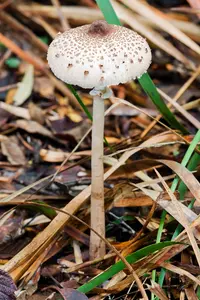
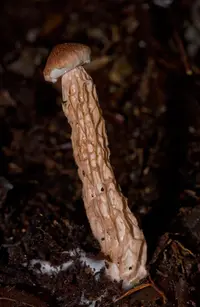
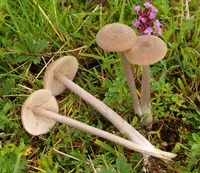
Cream Pinkgill Care (Entoloma sericellum)

Cream Pinkgill

About Cream Pinkgill

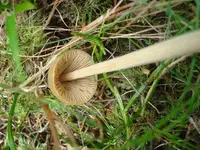
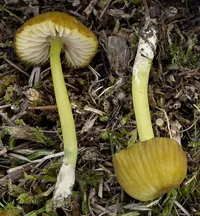
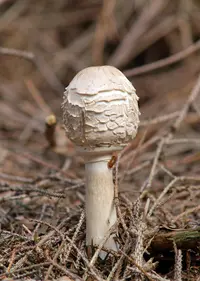
Cream Pinkgill, Entoloma sericellum, is a small gilled fungus rather than a true plant. It typically produces delicate, pale cream to pink caps with slender stems and crowded gills.

This mushroom is usually found in grassland, lawns, and meadows, often in nutrient-poor or unimproved soils across parts of Europe and other temperate regions. Its fruiting bodies are short-lived and sensitive to disturbance, which makes it challenging to cultivate deliberately.

Those interested in how to care for Cream Pinkgill should know it depends on healthy soil ecosystems and natural grassland conditions, rather than pot culture or indoor growing setups.

Main Plant Requirements

Care Difficulty

Hard Care

Light Preference

Shade

Water Requirements

Keep Soil Moist

Temperature Preference

Cool Climate

Hardiness Zone

Unknown

Soil Texture

Loamy, Silty, Organic-rich

Soil pH

Acidic (5.5–6.5)

Soil Drainage

Moist but well-drained

Fertilization

Minimal (feed rarely)

Get Personalized Care Plan

Scan your plant to receive care tips personalized for your specific plant

Available on iOS and Android

How to Care for the Cream Pinkgill

This woodland fungus prefers soft, indirect light rather than direct sun exposure.

  • Site Entoloma sericellum in dappled or filtered light under grasses or low vegetation, similar to a lightly shaded forest edge, avoiding strong midday sun.
  • Aim for 1–3 hours of gentle morning sun with bright shade the rest of the day; heavy afternoon sun can dry the substrate and damage developing fruiting bodies.
  • In summer, provide more shade if ground dries or cracks; in autumn, slightly more open exposure can help trigger fruiting while still avoiding harsh direct sun.

Moist, but not waterlogged, soil is essential for consistent fruiting of this species.

  • Maintain evenly moist soil to a depth of 5–8 cm, allowing only the surface 0.5–1 cm to start drying before the next watering if rainfall is low.
  • Ensure the site drains freely; standing water, sour smell, or slimy mycelium indicate overwatering, while shrinking, cracked soil and brittle grass suggest underwatering.
  • During cool, wet seasons, rely mostly on natural rainfall; in warm, dry periods, supplement with slow, thorough soaking rather than frequent light splashes to protect Entoloma sericellum mycelium.

This fungus fruits best in mild, cool to moderate temperatures typical of temperate grasslands and open woodland.

  • Optimal fruiting usually occurs around 50–65°F (10–18°C), especially in moist autumn conditions following rain.
  • Mycelium in the soil can tolerate down to about 32°F (0°C), but repeated hard frosts below 28°F (-2°C) may damage shallow, exposed growth and fruiting bodies.
  • Heat above 77–82°F (25–28°C) tends to slow or halt fruiting; partial shade, mulch, and steady moisture help buffer short warm spells without overheating the substrate.

This woodland fungus requires consistently moist air and substrate rather than typical indoor humidity management.

  • Prefers 70–90% ambient humidity, usually achieved naturally in shaded, leaf-littered forest floors.
  • Shows stress when caps dry, edges crack, or gills pale and curl inward due to low humidity and drying winds.
  • Increase local humidity outdoors by retaining leaf litter, avoiding bare soil, and limiting direct sun and wind exposure near the colony.

This saprophytic fungus fruits best in naturally loose, organic forest soil rather than artificial mixes.

  • Favors humus-rich, loamy soil formed under deciduous trees, with abundant leaf litter and fine woody debris.
  • Performs well in soil that drains freely yet stays evenly moist, avoiding waterlogging or standing puddles after rain.
  • Tolerates slightly acidic to neutral conditions around pH 5.5–7, typical of many broadleaf woodland soils.
  • To encourage Entoloma sericellum, leave fallen leaves and small twigs to decompose, which improves aeration, structure, and nutrient availability while avoiding compaction.

This species is not realistically suitable for standard container growing, as it relies on complex woodland soil and litter conditions that are difficult to replicate in pots.

This wild, mycorrhizal mushroom does not benefit from fertilization and relies on natural soil processes instead.

Pruning is not applicable for Entoloma sericellum, as it is a short-lived mushroom fruiting from underground mycelium.

Transplanting this woodland fungus is generally ineffective because the mycelium forms complex relationships with soil and roots.

  • Avoid attempting to lift or move clumps; the fine mycelial network breaks easily and usually fails to reestablish.
  • If growing in an experimental container, only shift substrate when colonization declines and contamination increases.
  • When handling, keep the substrate evenly moist and shaded to reduce additional stress on the mycelium.

Practical home propagation of Entoloma sericellum is challenging and rarely attempted outside specialist mycology setups.

This species survives as underground mycelium and normally needs no special winter care in its natural range, even in freezing conditions.

Care Tips

Use clean substrate

Prepare a cultivation tray with freshly sterilized hardwood sawdust or a pasteurized woodchip–leaf litter mix to reduce competing fungi and bacteria before introducing spawn.

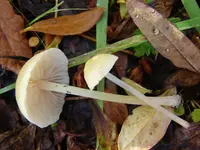
Shaded microclimate

Create a stable, shaded microhabitat outdoors by placing trays under deciduous shrubs or in a cold frame, which buffers wind and direct rain while still allowing natural temperature and moisture fluctuations.

Moisture monitoring

Cover outdoor beds or trays with breathable shade cloth or a perforated plastic lid to slow evaporation and keep the substrate evenly moist, checking underneath regularly so it never dries out completely.

Minimal disturbance

After spawning, avoid digging, raking, or compressing the substrate, and when fruiting bodies appear, harvest by gently twisting at the base rather than pulling up clumps of mycelium.

Seasonal rest period

Allow the bed a cool, slightly drier resting phase outside its main fruiting season, which supports the natural life cycle and can improve long-term reliability when growing Cream Pinkgill.

Common Pests and Diseases

Fungal gnat larvae

This pest targets moist, organically rich substrates where the mushroom mycelium grows, and larvae can graze on fine mycelial threads and developing primordia. Symptoms include thinning patches of mycelium, deformed young caps, and small black adult gnats flying around the growing area.

Solution

Reduce excess surface moisture, remove heavily infested substrate patches, and improve air movement to dry the top layer slightly without desiccating the mycelium. Use fine mesh over vents and sticky traps to reduce adult numbers, and apply a biological control such as Bacillus thuringiensis israelensis (Bti) to the substrate if damage is persistent.

Mite infestation

This pest includes various micro-mites that colonize damp fungal beds, feeding on mycelium and gill tissue. Symptoms include slow colonization, pitted caps, and tiny moving specks on or near fruiting bodies when viewed closely.

Solution

Limit entry of contaminated forest debris or old mushroom material, and discard any heavily infested trays or logs. Clean benches and tools, lower humidity slightly while maintaining fruiting conditions, and if needed introduce predatory mites that target harmful species without damaging the mushroom.

Competing saprophytic fungi

This disease pressure comes from other wood- or litter-decomposing fungi that colonize the same substrate and overtake the mycelium. Symptoms include patches of differently colored mycelium, unexpected mold-like growths, and failure of the desired mushroom to fruit in affected areas.

Solution

Start with well-pasteurized or properly aged substrate, and keep tools and containers clean to limit spore introduction. Cut out or remove contaminated sections early, increase fresh air exchange to discourage mold dominance, and avoid over-wetting the substrate, which favors faster-growing competitors.

Bacterial blotch

This disease develops on caps and stipes in very wet, stagnant conditions, leading to greasy-looking, discolored spots and local tissue collapse. Symptoms include soft, water-soaked lesions on the cap surface that may spread along crowded fruiting clusters.

Solution

Increase airflow, reduce direct overhead misting on caps, and keep relative humidity in the optimal but not saturated range. Remove and discard affected fruiting bodies promptly, and clean surfaces and tools with a mild disinfectant before handling new flushes.

Springtail overpopulation

These insects are small, jumping arthropods that thrive in damp litter and fungi-rich substrates, feeding mainly on decaying matter but also nibbling delicate mycelium or gills when numbers are high. Symptoms include large numbers of tiny white or gray insects that scatter when disturbed and occasional scarring on young caps.

Solution

Avoid chronically waterlogged conditions, gently dry the top layer of substrate between waterings, and remove thick layers of unused organic debris that harbor springtails. Use fine-mesh screens to limit entry from surrounding soil and rely on natural predators such as predatory mites if populations remain high while continuing overall Entoloma sericellum care improvements like balanced moisture and airflow.

Interesting Facts

Pale, silky caps

This species has small, cream to pale beige caps with a fine silky sheen, a feature that helps distinguish it from many other Entoloma species with stronger colors or matte surfaces.

Grassland specialist

It typically fruits in unimproved grasslands, lawns, and meadows, where it forms mycelial networks in the soil and helps decompose organic matter in low-nutrient turf systems.

Distinctive angular spores

Like other Entoloma species, it produces characteristically angular (polygonal) spores, which in this species are relatively small and help mycologists confirm identification under the microscope.

FAQs about Cream Pinkgill

This mushroom is considered inedible and potentially poisonous. Identification within the Entoloma group is difficult, and several related species are seriously toxic. For safety, it should never be collected or eaten, even in small amounts.

Grow Healthy Plants with Botan Care

Keep your plants happy and healthy with plant identification, disease detection, and easy care guidance.

Botan plant care app — identify plants on mobile

Explore More Plants