Sterilize Growing Tools
Disinfect knives, scalpels, and containers with 70% isopropyl alcohol before handling substrate or culture blocks to reduce contamination from competing fungi and bacteria when growing Entoloma pallescens.

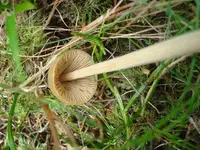
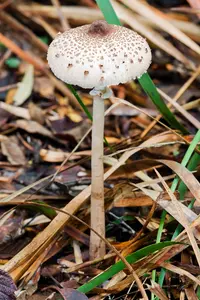
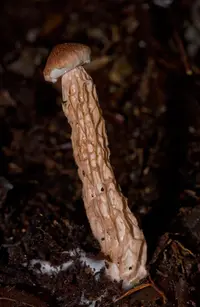
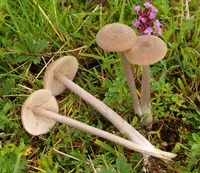
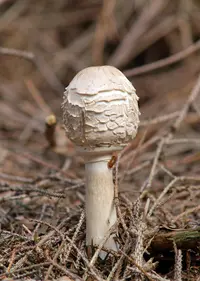
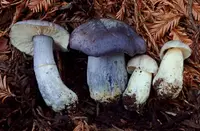
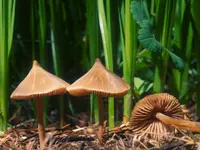
Entoloma pallescens is a small, saprotrophic mushroom, not a traditional ornamental plant. It typically forms pale, fragile caps with slender stems and grows in woodland litter or grassy areas. The color is usually whitish to pale gray, with gills that may show pinkish tones as spores mature.
This fungus is mainly recorded from temperate regions, often appearing in moist, organic-rich soils during cooler, damp periods. It is not commonly cultivated, and reliable information on how to care for Entoloma pallescens in controlled settings is very limited.
Because it relies on complex soil biology and natural decomposition processes, it is considered difficult to grow intentionally and is best regarded as a wild, field-observed species rather than a garden subject.

Care Difficulty
Moderate Care

Light Preference
Partial Shade

Water Requirements
Regular Water

Temperature Preference
Warm Climate

Hardiness Zone
Unknown

Soil Texture
Loamy, Silty, Organic-rich

Soil pH
Acidic (5.5–6.5)

Soil Drainage
Moist but well-drained

Fertilization
Minimal (feed rarely)
Scan your plant to receive care tips personalized for your specific plant
Available on iOS and Android
This woodland fungus prefers cool, subdued light similar to a shaded forest floor.
Moist, consistently damp substrate is essential for reliable fruiting.
This species favors cool to mild conditions typical of shaded woodland habitats.
This species relies on consistently moist, high-humidity conditions and is not suited to typical home air.
This fungus requires a consistently moist, organic-rich substrate rather than standard potting soil.
This species is poorly suited to conventional container culture and is best left in natural soil or specialized research setups.
This wild mushroom forms nutrient partnerships with soil and typically receives enough nutrition without added fertilizer.
Pruning is not applicable to Entoloma pallescens, as it is a small, wild mushroom rather than a woody or leafy ornamental plant.
This fungus is not suited to conventional repotting or transplanting, since it relies on complex relationships with soil and host plants.
Propagation of this wild mushroom is technically complex and not a routine task for home growers.
Dedicated winter care is generally unnecessary, as this woodland fungus is adapted to natural seasonal cycles in its native climate.

Plant Health Check
Not sure what's wrong with your plant? Check your plant's health inside the app.
Mature fruitbodies have distinctly pale, often whitish to cream caps with a slightly translucent, fragile surface that contrasts with the darker, pinkish gills as the spores mature.
As with many Entoloma species, it produces a pink to salmon-pink spore print, a key character that helps distinguish it from superficially similar pale mushrooms with white or brown spore prints.
Under the microscope, its spores are characteristically angular (many-sided) rather than smooth and round, a defining feature of the genus that mycologists use to confirm identification.
This fungus should be treated as inedible. Identification within the Entoloma genus is difficult, and some closely related species are poisonous. For safety, do not taste, cook, or experiment with this species as food.
Keep your plants happy and healthy with plant identification, disease detection, and easy care guidance.