Daedaleopsis tricolor Care

Daedaleopsis tricolor

About Daedaleopsis tricolor

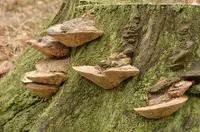
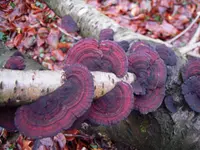
Daedaleopsis tricolor is a bracket fungus, not a leafy houseplant, typically found on dead or weakened hardwoods. It forms thin, semicircular, shelf-like fruiting bodies in layered tiers. The upper surface shows distinct zones of reddish, brown, and gray tones, while the underside has small pores instead of gills. This species is widely distributed in temperate regions, especially in woodlands and parks where fallen branches remain. It plays a role in wood decay, gradually breaking down dead trunks. Gardeners who care for Daedaleopsis tricolor usually focus on providing stable, shaded, and consistently moist woody substrates rather than conventional soil. It is generally observed outdoors rather than cultivated indoors.

Main Plant Requirements

Care Difficulty

Moderate Care

Light Preference

Partial Shade

Water Requirements

Keep Soil Moist

Temperature Preference

Cool Climate

Hardiness Zone

Unknown

Soil Texture

Loamy, Silty, Organic-rich

Soil pH

Acidic (5.5–6.5), Slightly acidic (6.5–7.0)

Soil Drainage

Moist but well-drained

Fertilization

Minimal (feed rarely)

Get Personalized Care Plan

Scan your plant to receive care tips personalized for your specific plant

Available on iOS and Android

How to Care for the Daedaleopsis tricolor

This bracket fungus prefers stable, dappled woodland light rather than strong, direct sun.

  • Provide bright shade or filtered light under trees, with brief morning sun and protection from harsh midday and afternoon sun.
  • Aim for conditions equal to 2–4 hours of weak, indirect light; dense, deep shade slows growth and reduces fruiting bodies.
  • On exposed logs, prevent scorching by avoiding full, unshaded summer sun, and in winter ensure the substrate does not dry out from low-angled sun and wind.

This wood-decaying fungus depends on consistent moisture in its host wood rather than direct watering.

  • Keep host logs or stumps in a moist, shaded site where rainfall maintains damp but not waterlogged wood.
  • Allow the wood surface to dry slightly between rain events; persistent standing water or swampy ground encourages rot of the substrate rather than healthy Daedaleopsis tricolor growth.
  • In dry or hot seasons, use gentle sprinkling on surrounding soil or mulch 1–2 times per week, focusing on maintaining ambient humidity and evenly moist wood.

This species thrives in mild, temperate conditions with protection from extreme heat or severe frost.

  • Optimal activity occurs around 50–75°F (10–24°C), typical of cool, moist woodland environments.
  • The fungus tolerates brief drops near 20–25°F (-6 to -4°C) once established, but repeated hard freezes with drying winds can damage exposed fruiting bodies.
  • In summer, partial shade and moist wood help it endure short periods up to about 85°F (29°C); sustained higher heat and dryness reduce longevity of brackets.

Humidity is not a significant factor for Daedaleopsis tricolor, which naturally tolerates a wide range of outdoor moisture conditions.

This fungus develops best on decaying hardwood rather than in conventional horticultural soil.

  • Mimic natural conditions by using fresh or well-seasoned hardwood logs or thick branches, especially from broadleaf trees such as birch, poplar, or willow.
  • Ensure wood remains moist but not submerged by placing it where rain or irrigation can wet it and then drain away freely.
  • Avoid compacted ground or standing water around the wood, which can reduce oxygen and favor competing fungi or rot organisms.
  • If using wood chunks in a container or bed, space pieces slightly apart so air can move between them and excess water can escape.

This species can be maintained in containers only when grown on suitable hardwood pieces rather than potting soil.

  • Use a wide, shallow, heavy container to hold hardwood pieces securely and prevent tipping as fruiting bodies form on one side.
  • Raise logs slightly above the container base with bricks or mesh so excess water can drain away and air can reach the underside.
  • Position the container where natural rainfall or controlled irrigation can wet the wood surface without allowing water to pool at the bottom.

This bracket fungus is a wood-decaying species that gains nutrients from its host and does not require fertilization in cultivation.

Daedaleopsis tricolor needs almost no deliberate pruning, since brackets are short-lived and replaced naturally.

  • If removal is desired, do it in late autumn or winter when fungal activity is low.
  • Cut brackets cleanly at the base with a sharp knife or pruning saw, avoiding damage to the living tree bark.
  • Remove only loose, damaged, or heavily decayed fruiting bodies for safety or appearance.
  • Disinfect cutting tools before and after use to reduce spread of other tree pathogens.

This species is normally established on dead or living wood outdoors, so transplanting rather than repotting is relevant.

  • Transplant only small, colonized log sections, as the fungus itself does not respond well to disturbance.
  • Plan moves during cool, moist weather in spring or autumn to limit desiccation of fungal tissue.
  • Retain as much original substrate wood as possible, handling pieces gently to avoid cracking.
  • Place the colonized wood in similar shade, humidity, and host conditions to minimize stress.

Propagation of this wood-decay fungus is mainly of interest to mycologists or habitat managers rather than typical home growers.

  • The species spreads by airborne spores that colonize suitable dead or stressed hardwoods in moist conditions.
  • Intentional propagation usually involves moving already colonized wood to new but similar logs or stumps.
  • Keep new substrates shaded and consistently moist, as drying reduces spore germination and mycelial growth.
  • Because identification can be tricky, consult local fungal experts before attempting growing Daedaleopsis tricolor for conservation projects.

As a temperate, outdoor wood-decay fungus, Daedaleopsis tricolor is naturally cold hardy and needs no special winter care.

  • Fruiting bodies tolerate normal frost and snow in most temperate climates without insulation.
  • Avoid scraping or knocking ice from brackets, as mechanical damage matters more than temperature itself.
  • For colonized logs in designed gardens, simply leave them in place; no wrapping or mulching is necessary.

Care Tips

Select proper substrate

Mount the fungus on untreated, freshly cut hardwood logs (such as oak, birch, or maple) with intact bark, avoiding conifers and lumber that has been chemically treated or painted.

Control wood moisture

Soak new logs for 12–24 hours, then let them drain and keep them in a shaded, wind-sheltered area so the wood stays moist but not waterlogged during colonization.

Use clean inoculation

Drill clean holes and insert commercial plug or sawdust spawn using sanitized tools, then seal each hole with food‑grade wax to reduce contamination by competing fungi.

Stack for aeration

Arrange inoculated logs in a crib or lean‑to stack so air can move freely between pieces, which lowers the risk of mold growth while maintaining a stable microclimate for mycelium spread when growing Daedaleopsis tricolor.

Monitor host integrity

Inspect logs 1–2 times per season for excessive bark loss, deep cracks, or soft rot, and replace any heavily decomposed pieces to maintain healthy, actively colonized wood for sustained fruiting.

Common Pests and Diseases

Xylaria competition

This disease involves colonization of the same hardwood substrate by Xylaria species, which can overgrow or replace the fruiting bodies. Symptoms include fading brackets, reduced new growth, and replacement by dark, club-like or crusty fungi.

Solution

Remove and discard sections of wood that are heavily colonized by Xylaria and retain pieces with active, healthy Daedaleopsis tricolor fruiting. Store culture logs or display wood in a stable, shaded, moderately humid area and avoid repeated soaking or heavy mechanical disturbance, which weakens the substrate and favors aggressive competitors.

Trichoderma overgrowth

This disease is caused by Trichoderma molds that form fast-spreading, bright to dull green patches on the substrate and sometimes on the fungal tissue. Symptoms include stalled bracket development and a powdery or velvety green surface over the inoculated wood.

Solution

Cut away and discard visibly contaminated sections of wood and any heavily overgrown brackets, then increase fresh air movement and reduce surface wetness to suppress Trichoderma. For cultivation setups, sterilize or replace contaminated tools and containers, and use fresh, well-seasoned hardwood to give D. tricolor a head start over mold competitors as part of careful Daedaleopsis tricolor care instructions.

Fungus gnat larvae

These insects lay eggs in moist organic material, and the larvae can tunnel through mycelium and tender fungal tissue. Symptoms include softened or collapsing young brackets and fine, winding feeding galleries in the substrate surface.

Solution

Allow the surface of the substrate or display wood to dry slightly between misting, and improve airflow around the culture to make conditions less favorable for egg-laying adults. Use fine mesh screens or sticky traps to reduce adult populations, and physically remove badly damaged fruiting bodies to limit larval food sources.

Springtail feeding

These insects thrive in very damp environments and may graze on young fungal tissue and surface mycelium. Symptoms include small pitted areas on immature brackets and visible tiny, jumping insects when the wood is disturbed.

Solution

Lower excessive surface moisture by reducing misting frequency and ensuring moderate rather than saturated humidity, while maintaining shade and avoiding direct sun. Gently rinse the substrate or display piece with clean water to dislodge springtails, and if needed, relocate the culture to a better-ventilated, cooler site where populations naturally decline.

Slugs and snails

These pests feed on soft, actively growing margins of the brackets, especially in outdoor or greenhouse settings. Symptoms include irregular holes and ragged edges on the pore surface and outer rim, sometimes with slime trails on or near the fruiting bodies.

Solution

Hand-pick slugs and snails in the evening or early morning and remove nearby hiding spots such as dense ground litter or stacked boards. Use physical barriers like copper tape around display stands or elevated supports, and slightly reduce ground-level moisture near the culture while keeping the wood itself from drying out completely.

Interesting Facts

Pores shift with age

The pore surface of this bracket fungus often starts whitish, then becomes cream to ochre and may show reddish zoning as it ages, which helps distinguish it from similar polypores on willows and poplars.

Strong willow preference

This species shows a marked ecological preference for willows (Salix) and related soft hardwoods along rivers and wetlands, where it fruits on dead or dying trunks and branches.

Thin, flexible brackets

The fruit bodies are unusually thin and somewhat flexible compared with many other polypores, forming semicircular to fan-shaped brackets that can overlap in dense, layered shelves on the host wood.

Botan icon

Did you know?

Molecular studies have shown that material previously called Daedaleopsis confragosa var. tricolor is genetically distinct enough to be treated as the separate species Daedaleopsis tricolor, highlighting how DNA analysis can reveal cryptic diversity in common wood-decay fungi.

FAQs about Daedaleopsis tricolor

This bracket fungus spreads gradually through dead or weakened wood via spores and internal mycelium. It does not usually appear aggressive in gardens but can contribute to structural decay in already compromised trees and logs.

Grow Healthy Plants with Botan Care

Keep your plants happy and healthy with plant identification, disease detection, and easy care guidance.

Botan plant care app — identify plants on mobile

Explore More Plants