Entoloma conicum Care

Entoloma conicum

About Entoloma conicum

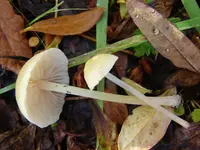
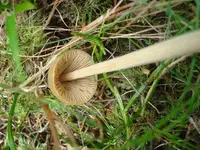
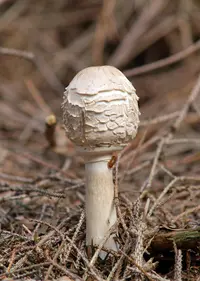
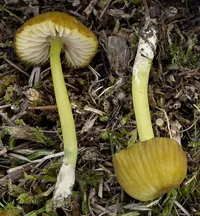
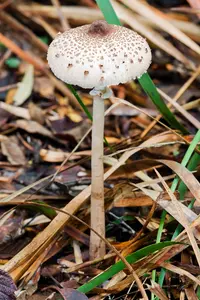
Entoloma conicum is a small, cone-capped mushroom rather than a typical leafy plant. It belongs to a large group of gilled fungi found in temperate regions.

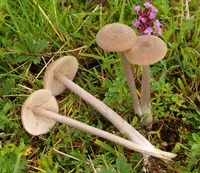
This species often appears in grasslands, heaths, and sometimes open woodland, usually in nutrient-poor, undisturbed soils. Caps are typically conical to bell-shaped, often in dull gray, brown, or slightly bluish tones.

It is not a species suited to casual home cultivation, as its life cycle depends on complex soil and grassland ecosystems. Because of this, how to care for Entoloma conicum in a controlled setting is poorly defined and generally not recommended for beginners.

Main Plant Requirements

Care Difficulty

Hard Care

Light Preference

Partial Shade

Water Requirements

Keep Soil Moist

Temperature Preference

Cool Climate

Hardiness Zone

Unknown

Soil Texture

Loamy, Silty, Organic-rich

Soil pH

Acidic (5.5–6.5), Slightly acidic (6.5–7.0)

Soil Drainage

Moist but well-drained

Fertilization

Minimal (feed rarely)

Get Personalized Care Plan

Scan your plant to receive care tips personalized for your specific plant

Available on iOS and Android

How to Care for the Entoloma conicum

This woodland fungus prefers cool, shaded conditions that mimic a forest floor.

  • Provide bright shade or dappled light under shrubs or trees, with no more than 1–2 hours of weak morning sun and no direct afternoon sun.
  • Site patches where taller plants or leaf litter filter light; sustained direct sun can dry the substrate and halt fruiting.
  • In summer, choose north or east-facing aspects; in winter, slightly more open but still shaded positions support Entoloma conicum without excessive drying.

Moist, humus-rich ground is essential for this mushroom-forming species.

  • Maintain evenly moist soil, allowing only the top 1–2 cm of leaf litter or soil surface to begin drying before the next soaking rainfall or irrigation.
  • Use loose, well-draining, organic-rich ground; avoid compacted or waterlogged sites, which cause mycelium decline and foul odors typical of anaerobic, over-saturated soil.
  • During hot, dry periods, increase deep watering, while in cool, wet seasons rely mainly on natural rainfall and watch for standing water as a sign of excess moisture.

Cool to mild conditions encourage reliable fruiting of this forest-floor fungus.

  • Aim for 50–68°F (10–20°C) as the main active range, with the best fruiting often around 54–61°F (12–16°C) in consistently moist ground.
  • Protect sites from hard frost; brief drops to about 28–30°F (-2 to -1°C) may be tolerated in soil, but repeated freezing can damage mycelium and reduce Entoloma conicum colonies.
  • In hotter climates, provide deep shade and thick organic mulch to buffer temperatures when days rise above 77°F (25°C), which can dry and overheat the substrate.

This species is not typically managed by manipulating air humidity in cultivation.

Entoloma conicum fruits best in cool, moist, organically enriched soil that mimics a natural forest floor.

  • Use a loose, humus-rich loam with abundant leaf litter, decomposed wood, or compost to provide structure and nutrients.
  • Ensure the substrate drains freely yet stays evenly moist; waterlogged or compacted ground quickly suppresses fruiting.
  • Aim for slightly acidic to neutral pH around 5.5–7.0, avoiding heavily limed or saline soils that disrupt fungal growth.
  • Improve aeration and drainage by mixing in leaf mold, fine bark, and a small amount of coarse sand rather than dense clay.

This species is generally unsuitable for container growing, as it relies on complex soil and habitat conditions that are difficult to reproduce in pots.

This wild mushroom forms nutrient-sharing relationships with trees and does not benefit from direct fertilizing in cultivation.

As a small woodland mushroom, Entoloma conicum is not pruned in the usual horticultural sense.

This fungus is typically not grown in containers, and transplanting is rarely successful or recommended.

  • Entoloma conicum depends on complex soil fungi networks and often on tree roots, which are easily disturbed.
  • Transplant attempts usually fail because the fine underground mycelium cannot be moved intact.
  • If relocation is essential for research, move a generous intact soil block rather than bare fruiting bodies.
  • Minimize handling, keep soil moisture stable, and avoid temperature shock during any necessary move.

Propagation of this woodland mushroom is specialized and not suited to typical home methods.

No specific winter care is practical or required for this outdoor woodland fungus in typical climates.

Care Tips

Spore-friendly staging

Set fruiting containers on a removable tray lined with damp, sterile paper or fine vermiculite so spores settle on a clean surface that can be collected or discarded easily to limit contamination buildup.

Strict tool hygiene

Use a dedicated, disinfected scalpel or knife for dividing colonized substrate, wiping blades with 70% isopropyl alcohol between cuts to reduce the spread of competing fungi and bacteria when growing Entoloma conicum.

Targeted airflow management

Position a small fan to create gentle, indirect air movement across the fruiting zone without blowing directly on pins, which helps exchange gases and reduce bacterial blotch while preventing caps from drying out.

Controlled light exposure

Provide low-intensity, diffuse light on a consistent schedule using a timer so primordia form evenly, avoiding strong side light that can cause lopsided or elongated fruiting bodies.

Batch rotation strategy

Stagger inoculation and fruiting batches by 7–10 days so flushes do not overlap completely, which makes it easier to monitor each cohort’s performance and adjust fresh air, misting, or sanitation practices between cycles.

Common Pests and Diseases

Mycophagous springtails

These insects feed on developing fruiting bodies and mycelium, often tunneling into caps and stems and causing malformed or stunted mushrooms.

Solution

Reduce excessive surface moisture by improving drainage and ventilation around the substrate, physically remove heavily infested fruiting bodies, and, if cultivating, pasteurize or refresh the substrate to lower springtail populations while keeping humidity only as high as needed for pin formation.

Fungus gnat larvae

This pest lives in moist organic substrates, where larvae graze on mycelium and young primordia, leading to poor or aborted fruiting and small, deformed caps.

Solution

Use fine mesh or sticky traps to reduce adult gnats, allow the top layer of substrate to dry slightly between mistings, and, in controlled setups, consider a biological control such as Bacillus thuringiensis israelensis (Bti) in irrigation water to target larvae without harming the fungus.

Competing mold contamination

This disease involves fast-growing molds such as Trichoderma or Penicillium colonizing the same substrate, outcompeting the mycelium and preventing normal development of fruiting bodies.

Solution

Remove and discard heavily contaminated substrate, lower overall moisture and improve airflow to slow mold spread, and maintain strict hygiene in any cultivation environment by using clean tools, fresh substrate, and proper pasteurization to support healthy Entoloma conicum care instructions.

Bacterial blotch

This disease causes greasy, water-soaked spots or patches on caps, sometimes with a slimy surface, especially under stagnant, high-humidity conditions.

Solution

Improve air exchange and avoid prolonged water film on caps by misting the air or substrate rather than directly soaking fruiting bodies, promptly remove symptomatic mushrooms, and, in cultivation, disinfect surfaces and equipment between cycles to reduce bacterial load.

Interesting Facts

Distinct conical cap

The mushroom typically develops a sharply conical, often umbonate cap with a greasy to slightly hygrophanous surface that can shift from olive-brown to grayish tones as it dries, which helps distinguish it from many other pink-spored grassland fungi.

Toxic pink-spored gills

Although it belongs to a genus known for pink spore prints, this species is considered poisonous and has been linked to gastrointestinal upset, so it is strictly avoided in mycological foraging guides despite its sometimes attractive appearance.

Grassland and heath specialist

The species is strongly associated with nutrient-poor grasslands, heaths, and mossy lawns in Europe, where it contributes to the biodiversity of semi-natural meadows that are declining due to intensive agriculture and land-use change.

FAQs about Entoloma conicum

This species is considered poisonous and must not be eaten. It contains gastrointestinal and possibly neurotoxic compounds that can cause nausea, vomiting, abdominal pain, and other systemic symptoms. Identification errors with similar fungi make consumption especially unsafe.

Grow Healthy Plants with Botan Care

Keep your plants happy and healthy with plant identification, disease detection, and easy care guidance.

Botan plant care app — identify plants on mobile

Explore More Plants