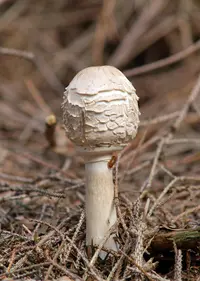
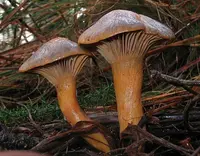
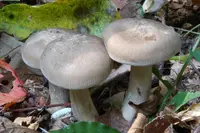
stubble rosegill Care (Volvopluteus gloiocephalus)

Also known as: Common Rosegill, Big sheath mushroom
stubble rosegill

About stubble rosegill

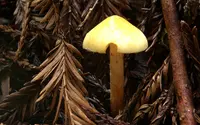
Stubble rosegill, Volvopluteus gloiocephalus, is a saprophytic mushroom that lives on decaying organic matter rather than forming a traditional leafy plant. It typically produces tall, slender stems with a pale, sticky cap and closely spaced pinkish gills beneath.

This species is often found in fields, pastures, and compost-rich soils, especially in temperate regions with regular moisture. It colonizes nutrient-rich, disturbed ground and can appear in flushes after rain.

Its preference for damp, well-aerated, organic substrates makes it relatively easy to encounter outdoors but challenging to manage indoors without specialized fungal-cultivation setups. Anyone wishing to learn how to care for stubble rosegill should understand that consistent moisture, moderate temperatures, and high organic content are key environmental requirements rather than typical houseplant conditions.

Main Plant Requirements

Care Difficulty

Moderate Care

Light Preference

Partial Shade

Water Requirements

Keep Soil Moist

Temperature Preference

Cool Climate

Hardiness Zone

Unknown

Soil Texture

Loamy, Silty, Organic-rich

Soil pH

Slightly acidic (6.5–7.0), Neutral (7.0)

Soil Drainage

Moist but well-drained

Fertilization

Minimal (feed rarely)

Get Personalized Care Plan

Scan your plant to receive care tips personalized for your specific plant

Available on iOS and Android

How to Care for the stubble rosegill

This saprotrophic mushroom prefers bright but gentle outdoor light that keeps its substrate evenly lit without overheating.

  • Provide 3–5 hours of soft morning sun with bright open shade or filtered light for the rest of the day to avoid cap scorching and substrate drying.
  • Site stubble rosegill in partial shade where it receives dappled light under grasses, low shrubs, or shade cloth, especially in summer afternoons.
  • In hot summers, reduce direct sun exposure, while in cool, cloudy seasons ensure at least bright indirect light to maintain steady fruiting.

This fungus requires consistently moist but not waterlogged substrate to produce healthy fruiting bodies.

  • Maintain evenly moist soil or compost, letting only the top 1–2 cm lose surface sheen before irrigating again to prevent drying of mycelium.
  • Ensure rapid drainage by using loose, organic-rich substrate; standing water or sour odors indicate excess moisture and risk of rot for Volvopluteus gloiocephalus.
  • In hot, windy periods, increase light watering frequency based on surface feel and appearance, while in cool, wet seasons reduce input to avoid saturation.

This species fruits best in mild, cool to warm conditions and declines in temperature extremes.

  • Aim for an active growth range of 55–72°F (13–22°C), which supports steady mycelial activity and reliable fruiting.
  • Protect from frost, as tissue is damaged near 30–32°F (-1–0°C); mycelium may survive brief chills but fruiting bodies collapse quickly.
  • Limit exposure above 82–86°F (28–30°C), since sustained heat dries the substrate and stresses the mycelium; fruiting usually slows in midsummer and recovers in cooler seasons.

Humidity affects fruiting more than survival for this fungus, which prefers moist air but tolerates brief drier spells.

  • Aim for 60–80% humidity around developing fruiting bodies to maintain cap texture and prevent premature cracking.
  • Dry air causes caps to split, margins to curl, and surfaces to appear dull instead of slightly glossy.
  • Increase humidity by lightly misting the substrate surface, using a clear humidity tent with vents, or placing trays of water near the stubble rosegill growing area.

This saprobic fungus fruits best on loose, organic-rich, consistently moist substrates rather than true garden soil.

  • Use a mix of well-rotted manure or compost with straw or finely shredded plant waste to create a soft, airy medium that mimics pasture litter.
  • Ensure rapid but not extreme drainage; water should pass through within seconds but the substrate should remain evenly damp, never waterlogged.
  • Maintain a slightly acidic to neutral pH (about 6.0–7.0) by balancing compost with a small amount of inert material such as rinsed sand.
  • Improve aeration by layering the substrate loosely and avoiding compaction, since dense, pressed material limits oxygen and suppresses Volvopluteus gloiocephalus fruiting.

This species can be grown in containers when the vessel is adapted to its shallow, spreading substrate needs.

  • Choose a wide, shallow tub or tray so the substrate layer is 10–20 cm deep, allowing broad mycelial spread rather than deep rooting.
  • Use a rigid container that will not flex when the moist substrate is moved, which helps keep the developing fruiting bodies stable.
  • Elevate the container on blocks or a rack so drainage holes stay clear, preventing standing water from saturating the lower substrate layer.

This saprophytic mushroom gains nutrients from decaying organic matter and usually needs no added fertilizer in cultivation, even when caring for stubble rosegill.

Volvopluteus gloiocephalus does not require conventional pruning because the visible mushroom is only a temporary fruiting body, not a long-lived plant structure.

Cultivation focuses on managing the substrate rather than traditional repotting, since the organism is a fungus spreading through its mycelium.

  • Shift colonized substrate to a fresh tray or bed when nutrient levels drop or fruiting declines noticeably.
  • Time transfers during mild temperatures in spring or fall to reduce stress on the mycelium network.
  • Move blocks gently, disturbing the mycelium as little as possible and keeping it evenly moist during and after transfer.
  • Use a similar, clean, pasteurized substrate to limit competing fungi and maintain stable conditions.

Reproduction of Volvopluteus gloiocephalus relies on spores and careful substrate preparation rather than standard plant propagation methods.

  • Collect mature caps and allow spores to drop onto sterile foil or paper for spore prints.
  • Prepare a pasteurized, nutrient-rich substrate such as straw-manure mix or composted materials.
  • Inoculate the cooled substrate with spores or pre-grown mycelium under clean, low-draft conditions.
  • Maintain high humidity, gentle airflow, and moderate temperatures to support mycelial colonization and later fruiting.

Outdoor cultures tolerate moderate cold if the substrate is buffered, but severe freezing can damage active mycelium.

  • In regions with hard frost, add a 5–10 cm layer of straw or leaf mulch over outdoor beds to insulate the substrate.
  • Keep containers in a sheltered, unheated garage or shed where temperatures stay just above freezing.
  • Avoid waterlogging in winter by ensuring good drainage so ice does not form inside the substrate.

Care Tips

Clean, cool tools

Always harvest and handle the fruiting bodies with clean, disinfected knives or scissors and cool, gloved hands to reduce bacterial contamination and extend shelf life after picking.

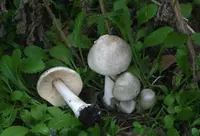
Ventilation management

Provide gentle, continuous air movement across the substrate surface during pinning and fruiting to prevent carbon dioxide buildup, which causes elongated stems and small caps in stubble rosegill.

Targeted misting routine

Use a fine mister aimed above, not directly at, the developing caps so moisture falls as a light fog that keeps humidity high without leaving standing water that encourages bacterial blotch on the mushrooms.

Substrate surface grooming

Regularly remove any obviously contaminated patches of substrate and lightly rake or roughen the surface between flushes to improve gas exchange and stimulate new primordia formation.

Flush rest periods

After each harvest flush, slightly reduce watering and maintain stable humidity for 3–5 days to let the mycelium recover, then gradually resume higher moisture to support the next wave when growing stubble rosegill.

Common Pests and Diseases

Fungus gnat larvae

This pest targets moist, organic-rich substrates where the mushroom mycelium grows and can damage fine mycelial threads while feeding. Symptoms include slow or uneven primordia formation, deformed fruiting bodies, and visible small black gnats hovering near trays or beds.

Solution

Reduce excess surface moisture, allow the top layer of substrate to dry slightly between misting, and improve airflow to make conditions less favorable. Use fine mesh screens on vents, sticky traps for adults, and, if needed, apply a biological control such as Bacillus thuringiensis israelensis (BTI) or beneficial nematodes to the substrate according to label directions.

Sciarid fly infestation

These insects, also called dark-winged fungus gnats, lay eggs in mushroom substrates and their larvae tunnel through mycelium and young fruiting bodies. Symptoms include pitted or tunneled caps, stunted mushrooms, and clouds of small dark flies when the growing area is disturbed.

Solution

Remove and discard heavily infested blocks or trays, then clean the growing area thoroughly to eliminate breeding sites. Use physical exclusion (fine mesh, sealed gaps), yellow sticky cards for monitoring adults, and maintain good hygiene and moderate moisture to limit egg laying and larval survival when caring for stubble rosegill.

Dry bubble disease

This disease, commonly caused by Lecanicillium (Verticillium) species in mushroom cultivation, deforms developing fruiting bodies and produces dry, misshapen, or cauliflower-like masses instead of normal caps. Symptoms include cracked, brown, or corky lesions on stems and caps and clusters of aborted mushrooms.

Solution

Immediately remove and discard all malformed or affected mushrooms and nearby casing material, handling them gently to avoid spreading spores. Disinfect tools and surfaces, avoid overhead splashing that can move spores, and maintain good airflow and sanitation in the grow room; prevent overwatering and keep relative humidity within the recommended range for normal fruiting rather than excessively high.

Green mold contamination

This disease is usually caused by Trichoderma species that colonize the substrate or casing more aggressively than the mushroom mycelium, forming bright white patches that soon turn green with spores. Symptoms include stalled colonization, patchy or absent fruiting, and powdery green growth on the surface or sides of blocks and trays.

Solution

Isolate and remove contaminated blocks or trays as soon as green patches appear, and avoid opening or disturbing them in the main grow area to limit spore spread. Clean and disinfect growing surfaces, tools, and containers, ensure proper substrate pasteurization or sterilization before inoculation, and reduce excessive wet spots or compaction that favor competitor molds.

Bacterial blotch

This disease, often linked to Pseudomonas species under overly wet conditions, causes greasy yellow to brown spots on caps that may become sunken and slimy. Symptoms include discolored patches starting near water droplets and reduced shelf life of harvested mushrooms.

Solution

Improve ventilation and avoid prolonged water sitting on caps by using fine misting and allowing adequate drying time between irrigations. Remove and discard affected fruiting bodies, lower humidity slightly if it is consistently near saturation, and keep all irrigation water, tools, and surfaces clean to reduce bacterial load.

Interesting Facts

Slimy cap surface

The cap surface is distinctly viscid to slimy when moist because of a gelatinous outer layer, which helps the fruiting body resist drying and may reduce damage from small invertebrates.

Free, pink gills

Its gills are free from the stem and turn from pale to salmon-pink as basidiospores mature, a key feature separating it from many superficially similar white-gilled mushrooms.

Nutrient-rich habitats

This species often fruits in nutrient-enriched grasslands, pastures, and field edges, frequently associated with soils influenced by livestock or human activity.

FAQs about stubble rosegill

This mushroom is considered edible in some regions but is easily confused with toxic look-alikes. Identification requires expert knowledge of gills, cap, and spore color. For safety, avoid consumption unless confirmed by a professional mycologist.

Grow Healthy Plants with Botan Care

Keep your plants happy and healthy with plant identification, disease detection, and easy care guidance.

Botan plant care app — identify plants on mobile

Explore More Plants