Silky Pinkgill Care (Entoloma sericeum)

Silky Pinkgill

About Silky Pinkgill

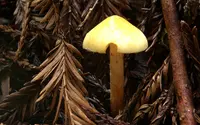
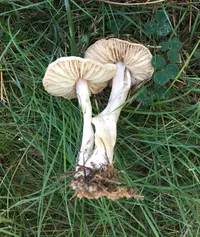
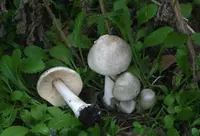
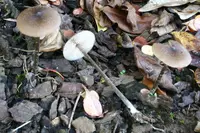
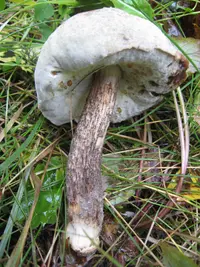
Silky pinkgill, Entoloma sericeum, is a small woodland mushroom rather than a typical houseplant. It produces delicate, silky caps in soft brown to pinkish tones on slender stems. Caps often appear in grass, moss, or leaf litter, giving scattered, low clusters rather than dense groups.

This species is native to Europe and parts of North America, usually found in moist, nutrient-poor soils in meadows, lawns, and light woodlands. It is not domesticated, so attempts to care for Silky Pinkgill at home are usually unreliable and suited only to experienced mushroom growers. It prefers cool, consistently moist conditions and undisturbed soil rich in decaying organic matter.

Main Plant Requirements

Care Difficulty

Hard Care

Light Preference

Partial Shade

Water Requirements

Keep Soil Moist

Temperature Preference

Cool Climate

Hardiness Zone

Unknown

Soil Texture

Loamy, Organic-rich

Soil pH

Acidic (5.5–6.5)

Soil Drainage

Moist but well-drained

Fertilization

Minimal (feed rarely)

Get Personalized Care Plan

Scan your plant to receive care tips personalized for your specific plant

Available on iOS and Android

How to Care for the Silky Pinkgill

This woodland fungus prefers soft, filtered light typical of leaf-littered forest floors.

  • Provide dappled shade or light filtered through trees, with no more than 1–2 hours of weak early-morning sun and full protection from strong midday and afternoon sun.
  • Choose sites with partial shade, such as north- or east-facing woodland edges, since direct open-field sun can dry substrates and inhibit Silky Pinkgill fruiting.
  • In summer, increased canopy shade helps maintain moisture, while in late autumn lower-angle sun is usually safe as long as the substrate does not dry out.

This mushroom species depends on consistently moist, but not waterlogged, soil and organic debris.

  • Aim for evenly moist leaf litter and topsoil, allowing only the top 1–2 cm to start drying between natural rains or supplemental watering.
  • If conditions are dry, use gentle watering that soaks the upper 5–8 cm of soil, then allow excess to drain so the area does not stay saturated or form standing puddles.
  • Watch for signs of stress: cracked, dusty soil and brittle litter suggest underwatering, while sour odor, algal surface growth, or persistent mud indicate harmful overwatering for Entoloma sericeum.

This species fruits best in cool to mild conditions typical of temperate woodlands.

  • Optimal fruiting usually occurs around 50–65°F (10–18°C), often in autumn when nights are cool and daytime highs stay moderate.
  • The fungus tolerates down to about 32°F (0°C), but hard freezes below this can damage or halt fruiting bodies, though the underlying mycelium may persist in soil.
  • Sustained heat above 77–82°F (25–28°C) tends to reduce or stop visible fruiting, especially if combined with drying winds or full sun exposure.

This fungus does not depend strongly on ambient humidity under natural outdoor conditions.

Entoloma sericeum fruits in undisturbed, organically enriched ground rather than in a managed potting medium.

  • Provide a moist, well-drained, humus-rich loam or sandy loam with abundant decaying leaf litter or fine woody debris.
  • Maintain consistently damp, not waterlogged, conditions so air can still move through pore spaces around the fungal mycelium.
  • Aim for slightly acidic to neutral pH, around 5.5–7.0, which supports typical woodland decomposer communities.
  • Avoid compacted, heavily tilled, or chemically treated soils, since disturbance and residues can suppress fruiting body formation.

This species is not suitable for typical container cultivation at home or in gardens.

Entoloma sericeum is a wild mushroom that relies on natural soil nutrients and normally should not be fertilized.

Pruning is not a standard practice for Entoloma sericeum, as it is a wild, short-lived mushroom fruiting from underground mycelium.

This fungus is not suited to typical container culture, so focus on maintaining a stable outdoor habitat rather than repotting.

  • Avoid disturbing colonies; transplanting usually fails because the mycelium network in soil or leaf litter is highly sensitive.
  • If relocation is attempted for study, move a generous intact block of soil and litter, keeping it shaded and evenly moist.
  • Carry soil blocks in a ventilated container, minimizing vibration and compression to limit mycelium damage.
  • Recreate similar conditions at the new site, matching soil type, drainage, and surrounding vegetation as closely as possible.

Propagation of Entoloma sericeum is specialized and rarely attempted by home growers.

Silky Pinkgill is a hardy woodland fungus that needs no targeted winter care in natural habitats.

Care Tips

Use spore prints

Collect spore prints from mature caps on clean paper or foil, then refrigerate them in labeled envelopes so you have genetically similar material ready for future inoculation of suitable outdoor sites.

Prepare habitat microzones

Create several small test patches with slightly different mulch depth, leaf litter density, and organic matter so you can see which microhabitat the fungus colonizes best in your climate and soil.

Minimal disturbance walking

Mark the fruiting area discreetly and avoid stepping or digging there, since compacted or repeatedly disturbed soil can damage the mycelium network and sharply reduce future fruiting.

Monitor companion plants

Note which grasses or low herbaceous plants are present where it fruits naturally and use similar species when establishing new patches, as compatible root and litter structure supports stable mycelium growth.

Seasonal moisture logging

Keep a simple log of rainfall, ground moisture, and fruiting dates so you can recognize the local pattern and time future site preparation or spore introduction to match the most reliable fruiting window when growing Silky Pinkgill.

Common Pests and Diseases

Fly larvae

This pest mainly involves fungus gnat and related fly larvae feeding on the fruiting bodies. Symptoms include tunnels, soft spots, or small holes in caps and stems, sometimes with visible maggots inside.

Solution

Remove and discard affected mushrooms as soon as damage is seen, and avoid leaving old, decaying fruiting bodies on site to limit breeding. If cultivating or studying samples in containers, use fine mesh covers and keep the substrate slightly drier at the surface to reduce egg laying, while maintaining the moisture level needed for the fungus.

Slug grazing

This pest causes irregular bite marks, shredded cap edges, and slime trails on and around fruiting bodies. Damage often appears overnight and can quickly disfigure small mushrooms.

Solution

Hand-pick slugs in the evening or early morning and remove sheltering debris such as dense leaf piles right next to fruiting areas. For small monitored patches, use physical barriers like copper tape, rough sand bands, or elevated trays to reduce access without adding chemicals to the habitat.

Bacterial blotch

This disease appears as slimy, water-soaked, or greasy-looking spots on caps and stems, often turning brown and causing rapid collapse in wet, mild conditions. Symptoms include a sour or unpleasant odor as tissues break down.

Solution

Improve air movement around fruiting sites and avoid persistent surface wetness, for example by reducing overhead watering in nearby managed areas. Remove and dispose of affected mushrooms promptly and avoid handling healthy mushrooms after touching diseased ones to limit spread of bacteria.

Mold colonization

This disease involves competing saprophytic molds overgrowing the mushroom, forming white, gray, green, or blue fuzzy patches on caps, stems, or surrounding litter. Symptoms include distorted growth and rapid decay of the fruiting body.

Solution

Remove and discard heavily overgrown mushrooms and nearby moldy organic matter to reduce spore load. Where conditions can be influenced, reduce continuous surface moisture, increase airflow, and avoid piling fresh organic waste directly over known fruiting spots to lower mold pressure.

Interesting Facts

Silky cap surface

The cap of this small mushroom has a distinctly silky to finely fibrillose surface, created by dense, fine radial fibers that give it a soft sheen in good light.

Microscopic angular spores

Its spores are characteristically angular under the microscope, with multiple facets, a key trait of the genus Entoloma and important for confirming identification of this species.

Dull to unpleasant odor

Mature fruiting bodies often develop a faintly rancid or musty smell, which helps distinguish it from some similar, more neutral-scented grassland mushrooms.

FAQs about Silky Pinkgill

This mushroom is considered inedible and potentially poisonous. Identification within the Entoloma group is difficult, and some related species are seriously toxic. It should never be collected for food or tasting under any circumstances.

Grow Healthy Plants with Botan Care

Keep your plants happy and healthy with plant identification, disease detection, and easy care guidance.

Botan plant care app — identify plants on mobile

Explore More Plants