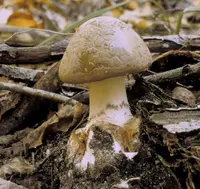
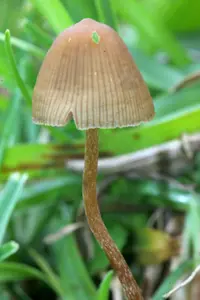
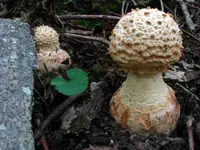
Orange Disco Care (Aleurodiscus amorphus)

Orange Disco

About Orange Disco

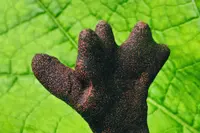
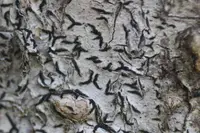
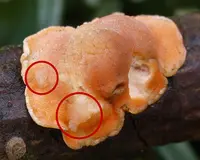
Orange Disco is a small, crust-like fungus rather than a typical leafy houseplant. It forms bright orange, disc-shaped patches on dead wood and bark. Aleurodiscus amorphus is saprophytic, meaning it feeds on decaying wood and helps break down organic matter in forests. It naturally occurs in cool to temperate woodlands, especially on fallen branches and twigs. This species is not commonly grown indoors and is best appreciated in natural or woodland-style garden settings. It is considered specialized and is not ideal for beginners who want to care for Orange Disco as a decorative plant.

Main Plant Requirements

Care Difficulty

Hard Care

Light Preference

Shade

Water Requirements

Keep Soil Moist

Temperature Preference

Cool Climate

Hardiness Zone

Unknown

Soil Texture

Loamy, Silty, Organic-rich

Soil pH

Acidic (5.5–6.5)

Soil Drainage

Moist but well-drained

Fertilization

Minimal (feed rarely)

Get Personalized Care Plan

Scan your plant to receive care tips personalized for your specific plant

Available on iOS and Android

How to Care for the Orange Disco

This crust fungus prefers low to moderate light typical of shaded woodland habitats.

  • Provide bright shade or dappled light under shrubs or trees, with no more than 1–2 hours of weak morning sun and no direct afternoon sun on Orange Disco.
  • Aim for conditions similar to a north or east woodland edge, where the host wood receives filtered light for 4–6 hours and remains cool and moist.
  • Excess sun dries the substrate and can halt fruiting; deep, continuous shade is acceptable as long as humidity stays high and wood does not fully desiccate.

Aleurodiscus amorphus depends on consistently moist, but not waterlogged, wood rather than direct soil watering.

  • Maintain host logs or branches in a site where surrounding soil and leaf litter stay evenly moist; allow only the top 1–2 cm of surface litter to dry between hydrations if you are managing a cultivated bed.
  • Focus on moisture retention and drainage together: coarse, well-drained woodland soil with thick leaf litter prevents standing water while slowing evaporation.
  • Signs of excess moisture include sour odor and slimy wood, while underwatering shows as cracked, very light, brittle wood and disappearance of fresh fruiting bodies.

This species prefers cool, temperate conditions similar to shaded forest environments.

  • Ideal activity occurs around 50–68°F (10–20°C), with many temperate strains appearing most in cool, moist periods of spring and autumn.
  • It tolerates down to about 23–28°F (-5 to -2°C) on dormant wood, but repeated hard freezes or bare, exposed positions can damage developing fruiting bodies.
  • Sustained heat above 77°F (25°C), especially with low humidity, can halt growth; provide extra shade and moisture retention during hot, dry summers.

This wood-decaying fungus does not require managed humidity in normal outdoor conditions.

This species is a saprophytic fungus on dead wood, so treat the substrate more like a rot-prone log than garden soil.

  • Provide well-rotted hardwood logs or thick branches with a coarse, fibrous structure rather than mineral soil.
  • Keep the wood evenly moist but not submerged, using rain-like watering or misting that allows excess water to drain away.
  • Maintain the microhabitat slightly acidic to neutral (around pH 5.5–7.0) by avoiding liming agents or alkaline runoff.
  • Partially bury or mulch around the log to conserve moisture while still leaving bark surfaces exposed for Aleurodiscus amorphus fruiting.

This species is not suited to conventional container growing, since it colonizes dead wood rather than forming a typical root system in potting media.

This wood-inhabiting fungus is not fertilized directly; nutrition depends on the health and composition of its host wood.

Aleurodiscus amorphus does not require structured pruning, but surrounding vegetation can be managed to observe and monitor fruiting bodies more easily.

  • Use clean, sharp hand pruners or a small saw to remove nearby dead or rubbing branches only when needed for access and safety.
  • Carry out any trimming during dry weather to limit entry points for decay organisms into living trees.
  • Avoid cutting living tissue solely to influence fungus shape or spread, since this species develops according to wood condition.
  • Discard heavily decayed or unsafe limbs following standard arboricultural guidance rather than for fungal management.

This species naturally colonizes dead or dying wood and is not suited to conventional pot culture, so focus on habitat management rather than repotting.

  • Transplant only the colonized wood, not the fungus itself, if a log must be moved for safety or landscape reasons.
  • Move wood in cool, overcast conditions to limit drying, and avoid excessive sun or wind exposure during and after relocation.
  • Place the log in a shaded, humid position with minimal disturbance to maintain mycelium health and support future fruiting.
  • Disturb roots of nearby living trees as little as possible when shifting colonized logs or branches within a site.

Propagation of this fungus in garden or indoor settings is uncommon and technically demanding, so routine home methods are not recommended.

This wood-decaying fungus is naturally cold hardy in its native range and requires no special winter care in outdoor habitats.

Care Tips

Substrate wood choice

Use well-decayed hardwood logs from oak, beech, or maple rather than fresh-cut wood, as Aleurodiscus amorphus colonizes partially decomposed, fungus-free wood more reliably.

Preconditioning logs

Store cut hardwood sections off bare soil in a shaded, airy place for 6–12 months so other microbes dissipate and the moisture stabilizes before inoculation.

Clean inoculation surfaces

Brush or scrape loose bark, moss, and lichens from the intended inoculation patches to expose firm, clean wood and reduce competition from existing fungi.

Moisture buffering setup

Place inoculated logs on bricks or a slatted stand under dense shade and cover with breathable burlap or shade cloth to keep surfaces evenly moist without waterlogging.

Low-disturbance monitoring

Inspect colonized wood only every few weeks, checking for fruiting bodies and excessive drying, and avoid frequent handling or turning, which can disrupt the delicate mycelial network when growing Orange Disco.

Common Pests and Diseases

Bark-boring beetles

This pest targets the woody substrate hosting the fungus, tunneling under bark and disrupting the moist, stable conditions needed for fruiting bodies to form. Symptoms include drying, cracking bark and a rapid decline in visible fungal discs.

Solution

Remove and destroy heavily infested branches or logs to reduce beetle populations, and avoid leaving cut hardwood exposed for long periods in warm seasons. For valuable habitat logs, keep wood in shaded, cooler areas and maintain some surface moisture to reduce beetle stress on the substrate.

Wood-decay competition fungi

This disease pressure comes from other wood-rotting fungi colonizing the same log and outcompeting Aleurodiscus amorphus for nutrients. Symptoms include replacement of the orange discs by different-colored crusts, brackets, or molds over time.

Solution

When aiming to grow Aleurodiscus amorphus on logs, use relatively fresh, clean hardwood and avoid pieces already heavily colonized by other fungi. Cut away sections dominated by competing fungi and maintain good airflow around the wood so the surface dries slightly between wet periods, which often slows aggressive molds and some competing species.

Surface molds

This disease appears as thin gray, white, or green fuzzy growth that can cover the orange fruiting discs after extended wet, stagnant conditions. Symptoms include dulled color, loss of the waxy surface, and eventual breakdown of the discs.

Solution

Improve air circulation around the colonized wood by spacing logs or branches apart and avoiding fully enclosed, humid storage. Gently brush off loose mold with a soft brush when dry, and allow the wood to dry slightly between rain or watering events without exposing it to direct hot sun.

Slugs and snails

These pests feed on the soft, waxy fruiting bodies, leaving irregular bite marks or completely removing discs during damp periods. Symptoms include ragged edges, missing patches, and slime trails on or near the fungus.

Solution

Hand-pick slugs and snails during the evening or early morning and remove nearby debris where they hide. If monitoring a known colony or trying to grow Aleurodiscus amorphus on logs, use copper barriers or coarse grit around the wood to reduce feeding pressure without disturbing the substrate.

Springtails

These insects sometimes graze on very young fungal tissue and microbial films on the wood surface, especially in very damp, organic-rich settings. Symptoms include small surface pits on fresh discs and a slightly roughened texture when populations are high.

Solution

Reduce excessive moisture by allowing the wood surface to drain and dry lightly between watering or rainfall, and avoid thick layers of leaf litter directly on top of colonized wood. If springtails are extremely abundant in indoor or enclosed setups, improve ventilation and remove excess organic debris to lower their food supply while keeping the wood only moderately moist.

Interesting Facts

Crust-like resupinate growth

This fungus forms a thin, crust-like layer directly on dead hardwood surfaces rather than a typical mushroom cap and stem, a growth form known as resupinate that helps it efficiently exploit flat woody substrates.

Hyaline spine ornamentation

Under the microscope, its basidia and cystidia often bear tiny hyaline (transparent) spines or warts, a diagnostic microscopic feature that helps mycologists distinguish it from similar crust fungi.

White rot wood decay

It is a white rot fungus that breaks down both lignin and cellulose in dead wood, leaving a pale, fibrous residue and playing a key role in nutrient recycling in temperate forests.

FAQs about Orange Disco

This fungus develops slowly, forming small, crust-like patches that expand over months rather than weeks. Growth depends strongly on moisture, temperature, and the condition of the dead wood it colonizes, rather than on soil or fertilizer.

Grow Healthy Plants with Botan Care

Keep your plants happy and healthy with plant identification, disease detection, and easy care guidance.

Botan plant care app — identify plants on mobile

Explore More Plants