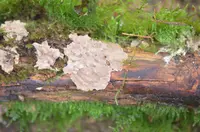
Hated Caesar Care (Amanita spreta)

Hated Caesar

About Hated Caesar

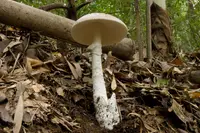
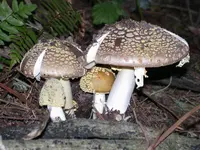
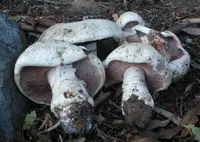
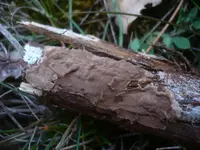
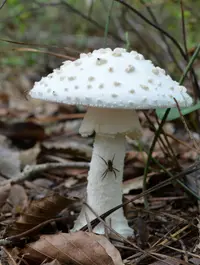
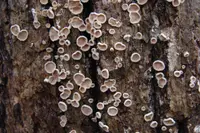
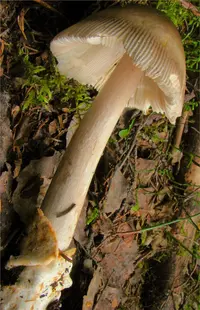
Hated Caesar, Amanita spreta, is a gilled fungus rather than a true plant, forming fleshy mushrooms from a hidden network of underground threads called mycelium. It typically shows a pale to tan cap, white gills, and a sturdy stem emerging from soil or leaf litter.

This species occurs in woodland habitats, especially in association with trees, where it forms mycorrhiza, a nutrient-sharing partnership with roots. Its growth depends on specific tree partners and undisturbed soil, which makes it difficult to cultivate deliberately. For those interested in how to care for Hated Caesar, conditions that mimic its native woodland, with stable moisture and organic-rich soil, are most favorable.


Main Plant Requirements

Care Difficulty

Moderate Care

Light Preference

Partial Shade

Water Requirements

Regular Water

Temperature Preference

Warm Climate

Hardiness Zone

Unknown

Soil Texture

Loamy, Sandy, Organic-rich

Soil pH

Acidic (5.5–6.5)

Soil Drainage

Moist but well-drained

Fertilization

Minimal (feed rarely)

Get Personalized Care Plan

Scan your plant to receive care tips personalized for your specific plant

Available on iOS and Android

How to Care for the Hated Caesar

This terrestrial fungus prefers bright but gentle woodland light rather than open, direct sun.

  • Provide dappled or filtered light under deciduous trees, with about 2–4 hours of soft morning sun and shade the rest of the day for Hated Caesar.
  • Avoid strong midday and afternoon sun, which can overheat leaf litter and dry the fruiting zone, reducing Amanita spreta emergence.
  • In summer, choose sites with partial shade; in spring and fall, slightly more open canopy is acceptable if the soil surface does not bake or crack.

This mycorrhizal mushroom relies on consistently moist, not saturated, soil conditions around its tree partners.

  • Aim for forest-like moisture where the top 2–3 cm of leaf litter feel slightly damp but not soggy when pressed between fingers.
  • During dry spells, light forest-floor irrigation is possible, but allow water to drain freely so pooled water does not persist longer than 1–2 hours to avoid rot.
  • Signs of excess moisture include sour or swampy smell and slimy litter, while chronic dryness shows as brittle leaf litter and reduced Amanita spreta fruiting.

This species fruits best in mild to warm conditions typical of temperate woodlands.

  • Optimal fruiting usually occurs around 60–77°F (16–25°C), with soil staying cool and evenly moist beneath leaf litter.
  • Tolerates brief drops to about 40°F (4°C), but hard frost below 32°F (0°C) can damage or stop fruiting bodies and slow mycelium activity near the surface.
  • Sustained heat above 86°F (30°C) with dry soil sharply reduces fruiting; deeper shade, mulch, and preserved leaf litter help buffer temperature swings.

This fungus is not cultivated indoors, and active humidity management for Hated Caesar is generally unnecessary.

Amanita spreta fruits only in very specific outdoor soil conditions associated with host trees, not in controlled potting mixes.

  • Requires undisturbed, well-drained, slightly acidic forest soil, typically sandy-loam with abundant leaf litter and fine roots.
  • Depends on a mycorrhizal relationship, so soil must not be sterilized or heavily tilled, which disrupts fungal partners.
  • Avoid waterlogged, compacted, or heavily fertilized ground, as these reduce oxygen around the fungal mycelium and suppress fruiting.
  • Encouraging natural leaf mulch and avoiding dense turf or plastic weed barriers can improve soil aeration and moisture balance.

This mycorrhizal forest mushroom is not suitable for container growing.

This wild mycorrhizal fungus does not require fertilization and should not be fed like a garden or house plant.

Amanita spreta is not a plant and is never pruned; disturbance should be minimized at its natural site.

This mycorrhizal fungus grows in soil with host trees and is not suited to normal repotting or transplanting.

  • Avoid digging around fruiting bodies to prevent damage to the underground mycelium network.
  • Do not attempt to lift clumps or move soil expecting the fungus to reestablish like a potted plant.
  • If habitat disturbance is unavoidable, limit soil removal and compaction near known Hated Caesar sites.

Deliberate propagation of this wild ectomycorrhizal fungus is highly specialized and rarely successful in home settings.

This woodland fungus is adapted to its native climate and does not need active winter care from gardeners.

Care Tips

Habitat Replication

When attempting to grow Amanita spreta in a controlled setting, use a shaded outdoor area with a host tree species similar to its native associates (such as oaks) and leave a layer of partially decomposed leaf litter to mimic its natural forest floor environment.

Minimal Disturbance

Mark the fruiting area clearly and avoid raking, digging, or compacting the soil around the host trees, since disturbance of the upper 5–10 cm of soil can damage the fine mycorrhizal threads this fungus relies on.

Leaf Litter Management

Refresh the surface with a thin layer (1–2 cm) of hardwood leaf litter once or twice a year rather than thick mulch, which helps maintain moisture and organic matter without smothering developing fruiting bodies.

Watering Strategy

In dry spells, apply a slow, gentle soak over the broader root zone of the host trees instead of spot-watering the mushrooms, as consistent soil moisture around the tree roots supports the underground mycelium needed for caring for Hated Caesar.

Monitoring and Records

Keep simple notes on rainfall, temperature, and fruiting times each season, as recognizing patterns in when and where caps appear helps refine site management for long-term Amanita spreta presence.

Common Pests and Diseases

Fungal parasitism

This disease results from other parasitic fungi colonizing the fruiting body and deforming or discoloring the cap and stem. Symptoms include abnormal growth, patchy discoloration, and premature decay of the mushroom.

Solution

Remove and discard any distorted or overgrown fruiting bodies as soon as they are noticed to reduce spore spread. Avoid disturbing the surrounding soil more than necessary and maintain good forest floor hygiene by not leaving cut or damaged mushrooms to decay in place if cultivating or monitoring Amanita spreta growth areas.

Myxomycete slime molds

These organisms occasionally grow over the cap or gills, creating slimy, often brightly colored patches that interfere with spore release. Symptoms include a wet, gelatinous film or crust on the mushroom surface.

Solution

Gently remove affected fruiting bodies and dispose of them away from the growing area to interrupt the life cycle of the slime mold. Limit excess organic debris and dense, wet litter directly around the mushrooms to reduce prolonged surface moisture that favors slime mold development.

Fungivorous fly larvae

This pest consists of fly maggots that tunnel into caps and stems, leading to soft spots, tunnels, and rapid decomposition. Symptoms include small entry holes, spongy tissue, and the presence of larvae inside the mushroom.

Solution

Harvest mushrooms promptly at maturity to limit the time available for egg-laying. Remove and discard infested fruiting bodies and use fine mesh barriers or nets in managed settings to reduce adult fly access to developing mushrooms when aiming at more controlled Amanita spreta care instructions.

Slug and snail grazing

These mollusks feed on the cap and gills, leaving irregular holes, ragged edges, and slime trails. Symptoms include shredded tissue, missing sections of the cap, and visible mucus on or near the mushroom.

Solution

Hand-pick slugs and snails in the early morning or evening and relocate them away from the fruiting zone. Use physical barriers such as copper tape, rough mineral rings, or well-placed traps to protect specific patches where mushrooms are being observed or managed.

Bacterial soft rot

This disease develops in very wet, warm conditions and causes the mushroom tissue to become water-soaked, slimy, and foul-smelling. Symptoms include rapid collapse of the cap and stem and a mushy texture with an unpleasant odor.

Solution

Remove and dispose of affected mushrooms immediately to limit spread to nearby fruiting bodies. Reduce prolonged surface wetness by avoiding unnecessary watering or disturbance of the forest floor microhabitat and favor better air circulation around cultivated or monitored patches.

Interesting Facts

Misapplied common name

In some mushroom guides the common name Hated Caesar is applied to Amanita spreta, even though its appearance and ecology differ from the classic Caesar-type amanitas better known from Europe.

Regional North American species

Amanita spreta is a North American taxon described from the eastern United States and is typically associated with hardwood forests rather than being a cosmopolitan or globally widespread species.

Taxonomic uncertainty

Some modern mycologists treat Amanita spreta as part of a species complex and consider that material labeled under this name may represent more than one closely related taxon, reflecting ongoing revision within the genus Amanita.

FAQs about Hated Caesar

This species is a potentially deadly poisonous wild mushroom and must never be eaten. It closely resembles some edible amanitas, making misidentification easy. For safety, treat all similar wild mushrooms as inedible and avoid consumption entirely.

Grow Healthy Plants with Botan Care

Keep your plants happy and healthy with plant identification, disease detection, and easy care guidance.

Botan plant care app — identify plants on mobile

Explore More Plants