Substrate rotation
Rotate or renew part of the woody, leaf-litter substrate every 6–12 months to prevent nutrient exhaustion and compaction, which helps maintain consistent fruiting of this mycorrhizal fungus.

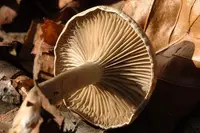
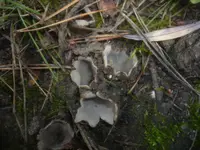
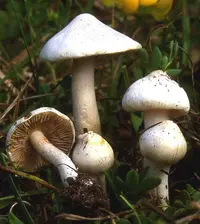
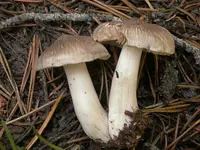
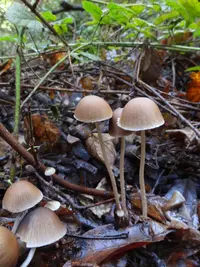
Entoloma undatum is a small mushroom-forming fungus, not a true houseplant, and is generally encountered in natural habitats rather than in cultivation. It produces pale to brownish caps with a distinctly wavy, often irregular margin and grows from soil rather than wood.
This species is typically found in temperate regions, often in grassy or mossy areas, sometimes near woodland edges. It is not considered suitable for regular garden or indoor culture, and how to care for Entoloma undatum is not well established, as it depends on complex soil and fungal community conditions.

Care Difficulty
Hard Care

Light Preference
Partial Shade

Water Requirements
Keep Soil Moist

Temperature Preference
Cool Climate

Hardiness Zone
Unknown

Soil Texture
Loamy, Silty, Organic-rich

Soil pH
Acidic (5.5–6.5)

Soil Drainage
Moist but well-drained

Fertilization
Minimal (feed rarely)
Scan your plant to receive care tips personalized for your specific plant
Available on iOS and Android
This woodland fungus prefers gentle, indirect light similar to a shaded forest floor.
This fungus depends on consistently moist, but not waterlogged, soil to fruit well.
This species fruits best in cool, mild conditions typical of temperate woodlands.
Humidity is not a controllable or meaningful factor for typical home culture of Entoloma undatum.
Soil conditions are critical because this fungus relies on specific substrates rather than standard potting mixes.
This species is not suitable for container growing because it depends on complex soil and root associations in the ground.
This fungus is not a conventional houseplant and should not be fertilized in cultivation attempts.
Pruning is not applicable for Entoloma undatum, as it is a wild mushroom rather than a managed ornamental plant.
This species is not suited to standard repotting or transplanting, since it is a wild fungus dependent on specific soil and microbial conditions.
Deliberate propagation of this wild fungus is not recommended for home growers and is generally unreliable.
This wild fungus does not need intentional winter care in gardens or landscapes.

Plant Health Check
Not sure what's wrong with your plant? Check your plant's health inside the app.
The cap of this species has a characteristically undulating, often radially wrinkled margin that helps separate it from many smoother-capped Entoloma relatives in the field.
Its cap surface can shift from bluish or violet tones when fresh and moist to more brownish or grayish shades as it dries, a hygrophanous behavior that can complicate identification for beginners.
This mushroom is associated mainly with broadleaf woodlands in Europe, where it forms mycorrhiza-like relationships with trees, contributing to nutrient cycling in relatively undisturbed forest soils.
This mushroom is considered inedible and potentially poisonous. Identification within the Entoloma genus is difficult, and misidentification risks serious poisoning. It should not be collected for food and is best left for observation only.
Keep your plants happy and healthy with plant identification, disease detection, and easy care guidance.