velvet bean Care (Mucuna pruriens)

Also known as: Velvet bean, Itchy bean
velvet bean

About velvet bean

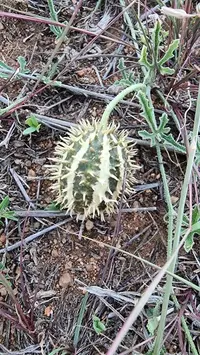
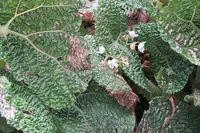
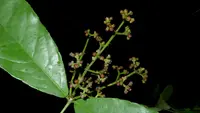
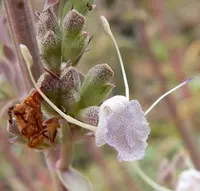
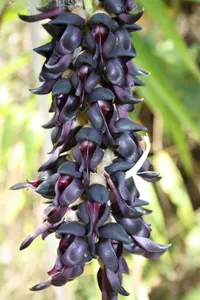
Velvet bean, Mucuna pruriens, is a fast-growing tropical climbing vine known for its dense foliage, long hanging pods, and bristly hairs. It is often grown on supports, fences, or trellises. Native to Africa and tropical Asia, it now grows in many warm regions as a cover crop and green manure plant that improves soil fertility. The plant produces purple to whitish flowers followed by pods with stiff hairs that can irritate skin. It can be vigorous and is not ideal for very small spaces. Those who want to care for velvet bean should provide warm conditions, sun to light shade, and a well-drained soil with regular moisture.

Main Plant Requirements

Care Difficulty

Moderate Care

Light Preference

Full Sun

Water Requirements

Moderate Water

Temperature Preference

Tropical / Frost Sensitive

Hardiness Zone

10–12

Soil Texture

Sandy, Loamy, Organic-rich

Soil pH

Acidic (5.5–6.5), Slightly acidic (6.5–7.0)

Soil Drainage

Well-drained

Fertilization

Light (every 4–6 weeks)

Get Personalized Care Plan

Scan your plant to receive care tips personalized for your specific plant

Available on iOS and Android

How to Care for the velvet bean

This fast-growing tropical climber needs strong light to flower and set pods well.

  • Provide 6–8 hours of direct sun daily, ideally with morning sun and light afternoon shade in hot climates for velvet bean.
  • Plant in an open site with full sun to very bright filtered light; light dappled shade is tolerated but may reduce flowering.
  • Watch for pale, stretched stems as a sign of too little light, and for leaf scorch or crisp edges as a sign of intense, all-day sun exposure.

This species prefers consistently moist but not waterlogged soil during active growth.

  • Water when the top 3–5 cm of soil feels dry, aiming for evenly moist soil around the root zone during warm months for Mucuna pruriens.
  • Use well-drained soil or a raised bed to prevent waterlogging; yellowing, soft leaves and a sour soil smell suggest overwatering and poor drainage.
  • In cooler seasons or during slowed growth, reduce watering so the surface dries more between soakings while preventing complete soil dryness and severe wilting.

This tropical vine grows best in warm, frost-free conditions.

  • Aim for 70–90°F (21–32°C) during the growing season, which supports rapid vine growth and flowering.
  • Protect from cold; growth slows below 60°F (16°C), and plants are usually damaged or killed by frost or temperatures under 40°F (4°C).
  • Mucuna pruriens tolerates brief heat up to about 95°F (35°C) if soil moisture is steady, but intense heat plus drought can scorch leaves and stall flowering.

This species prefers moderate air moisture and tolerates typical indoor levels if not extremely dry.

  • Aim for 40–60% humidity to support steady growth and healthy foliage on velvet bean vines.
  • Crisping leaf tips, stalled new growth, or leaf edge browning can indicate air that is too dry for extended periods.
  • Increase humidity by grouping plants, placing the pot on a pebble tray with water below the pot base, or running a nearby humidifier.

This plant prefers loose, fertile, fast-draining soil that still holds some moisture.

  • Use a loamy mix built from roughly 40% all-purpose potting mix, 30–40% compost, and 20–30% coarse sand or perlite for structure and drainage.
  • Mucuna pruriens grows best in slightly acidic to neutral soil, around pH 6.0–7.0, avoiding strongly acidic or alkaline conditions.
  • Ensure the mix is crumbly and well aerated so roots receive oxygen; break up clods and avoid compacting the soil when filling the container or bed.
  • Avoid heavy clay, waterlogged spots, or mixes loaded with fine peat that stay soggy, which encourages root rot and weak growth.

This vigorous climber can be grown in containers if the pot is large, stable, and drains quickly.

  • Choose a deep, heavy container at least 30–40 cm wide to provide anchorage and prevent tipping as vines gain mass.
  • Use a sturdy trellis or support fixed directly into the container so wind or plant weight does not loosen the root zone.
  • Select a breathable material such as unglazed terracotta if extra evaporation is needed to keep the root zone from staying wet for long periods.

Mucuna pruriens responds well to modest feeding during its active warm-season growth.

  • Use a balanced liquid fertilizer (around 10-10-10 or 20-20-20) diluted to 1/2 strength every 3–4 weeks in spring and summer.
  • Alternatively, apply a thin layer of well-rotted compost around the root zone at the start of the growing season.
  • In poorer soils, a slow-release balanced granular fertilizer at planting can support growing velvet bean vines.
  • Stop feeding in late fall and winter, when growth slows or plants die back, to avoid weak, leggy shoots.

Pruning Mucuna pruriens helps manage its vigorous vining habit and maintain safe, tidy growth.

  • Best time is late winter or early spring, before strong new growth starts.
  • Remove dead, damaged, tangled, or congested stems to improve air flow and reduce disease risk.
  • Shorten overly long vines to control spread and encourage branching, which supports more flowering sites.
  • Use clean, sharp bypass pruners and make cuts just above a leaf node or branching point.

This vigorous climber is usually grown as an annual or short-lived perennial, so transplanting young plants is more common than long-term repotting.

  • Transplant seedlings when they have 2–3 true leaves and roots have lightly filled starter cells but are not circling.
  • Choose late spring, after frost risk has passed and soil is consistently warm, for outdoor planting.
  • If container-grown, move to a pot 1–2 sizes larger when roots appear from drainage holes or growth slows unexpectedly.
  • Water thoroughly before and after transplanting, keep roots shaded, and avoid disturbing the root ball to minimize transplant shock.

Mucuna pruriens is most commonly propagated from seed, which germinates reliably under warm conditions.

  • Sow seeds in late spring when temperatures reach 70–85°F, or start indoors 4–6 weeks before the last frost date.
  • Scarify the hard seed coat lightly with sandpaper, then soak seeds in warm water for 12–24 hours to speed germination.
  • Use a free-draining seed mix, plant seeds 1–2 cm deep, and keep evenly moist but not waterlogged.
  • Provide strong light and warm, stable temperatures; transplant seedlings gently once roots hold the soil plug together.

This tropical vine is frost-sensitive and usually treated as an annual in cooler climates.

  • In USDA zones below 10, expect the top growth to die with the first frost; replant from seed next warm season.
  • Mulch the root zone 5–8 cm deep in mild climates to moderate soil temperature and moisture swings.
  • For containers, move plants indoors before nights drop below 50°F, placing them in bright light and reducing watering.

Care Tips

Early trellis training

Install a strong trellis or wire support before vines reach 30–40 cm, then gently spiral new growth around the structure every few days to prevent tangling and stem breakage later in the season.

Controlled pod production

Pinch off the first few flower clusters so the vine builds more vegetative growth, then allow pods to form later for a more uniform, heavier set and easier harvest timing.

Targeted pod handling

Wear gloves and long sleeves when handling mature pods and position a clean container directly under each cluster during cutting so pods do not drop and split on the ground, which reduces skin irritation and volunteer seedlings.

Rhizobium inoculation

Dust seeds with a compatible rhizobium inoculant before sowing to boost nitrogen fixation, especially in soils where velvet bean or related legumes have not been grown recently.

Seasonal residue management

After frost kills the vine, chop and leave the top growth as surface mulch or lightly incorporate it into the soil, which improves organic matter while also disrupting overwintering sites for pests and diseases when caring for velvet bean.

Common Pests and Diseases

Pod borers

This pest targets developing seed pods, boring into them and feeding on the seeds, which reduces seed yield and quality. Symptoms include small entry holes on pods, frass (insect droppings), and shriveled seeds.

Solution

Handpick and destroy damaged pods as soon as they are noticed, and remove crop residues after harvest to break the life cycle. Use fine mesh netting during flowering and pod set where practical, and apply a targeted biological insecticide containing Bacillus thuringiensis (Bt) to young pods according to label directions if pressure is high.

Bean aphids

These insects feed on tender shoots, leaves, and flower buds, sucking sap and causing curling, distortion, and sticky honeydew that can attract sooty mold. Heavy infestations can reduce flowering and pod formation.

Solution

Spray plants with a strong stream of water to dislodge colonies, then treat remaining clusters with insecticidal soap or a light horticultural oil, covering leaf undersides. Encourage natural predators such as lady beetles by avoiding broad-spectrum insecticides and by maintaining plant diversity around the vines.

Leaf spot

This disease causes small brown or tan lesions that may enlarge and merge, leading to yellowing and premature leaf drop, especially in warm, humid weather. Symptoms include spots often with darker margins and a thinner, papery center.

Solution

Remove and dispose of heavily spotted leaves and fallen debris to reduce inoculum, and avoid overhead watering to keep foliage as dry as possible. Improve spacing and airflow around vines, and in recurring cases consider a copper-based fungicide applied preventively during extended wet periods, following label safety directions.

Rust

This disease produces small, raised, rust-colored pustules on the undersides of leaves, often with yellow patches visible on the upper surface. Severe infections can cause early defoliation and reduce vigor and pod production.

Solution

At the first signs, prune and discard affected leaves away from the garden and avoid wetting foliage when irrigating. Increase airflow along trellises, and where rust recurs, rotate velvet bean with non-legume crops and use a preventive sulfur or copper fungicide during high-risk warm, humid periods if allowed in your area.

Root-knot nematodes

This pest is caused by microscopic roundworms in the soil that invade roots, forming galls or knots and limiting water and nutrient uptake. Symptoms include stunted growth, poor flowering, and plants that wilt quickly in heat despite adequate watering.

Solution

Rotate crops to non-host plants and incorporate organic matter such as compost to encourage beneficial soil organisms that suppress nematodes. In areas with known problems, solarize soil during the hottest part of summer with clear plastic for 4–6 weeks and consider using resistant or tolerant cover crops before you grow Mucuna pruriens again.

Interesting Facts

Natural L‑DOPA source

The seeds are naturally rich in L‑DOPA, the direct biochemical precursor of the neurotransmitter dopamine, at levels far higher than most other plants. This compound is used as a reference raw material in pharmaceutical and agronomic research.

Nettling seed hairs

The velvet pods are covered with tiny brittle hairs containing protein-based irritants that mechanically and chemically provoke intense itching on contact with skin. This defensive trait helps protect the seeds from many mammal herbivores.

Nitrogen‑fixing climber

As a legume, this vigorous vine hosts symbiotic Rhizobium bacteria in root nodules that convert atmospheric nitrogen into usable forms in the soil. Because of this, it is used in some tropical farming systems as a green manure and cover crop to improve soil fertility and suppress weeds.

Botan icon

Did you know?

In some tropical agroforestry systems, the dense, fast-growing canopy of this vine is intentionally used to shade and suppress aggressive grasses such as Imperata cylindrica (cogon grass), helping restore degraded land and reduce the need for mechanical weed control.

FAQs about velvet bean

This species is very vigorous and can grow 3–6 m in a single warm season in frost‑free areas. Growth slows with cooler temperatures, poor soil fertility, or lack of support for the vines to climb.

Grow Healthy Plants with Botan Care

Keep your plants happy and healthy with plant identification, disease detection, and easy care guidance.

Botan plant care app — identify plants on mobile

Explore More Plants