Promote Bushy Growth
Pinch back shoot tips every 2–3 weeks during active growth and use the trimmings in the kitchen to keep plants compact, encourage dense branching, and maintain high leaf quality when growing oregano.

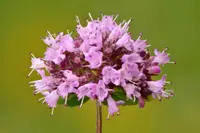
Oregano, Origanum vulgare, is a woody, aromatic perennial herb in the mint family commonly grown for its strongly flavored leaves. It forms low, bushy clumps with small oval leaves and produces clusters of tiny white to pink flowers that attract many pollinators.
In the wild it occurs in dry, rocky areas of the Mediterranean and parts of Eurasia, which gives clues to how to care for oregano in gardens and containers. It prefers plenty of light, well-drained soil, and moderate watering, making it generally easy to grow for most home gardeners.

Care Difficulty
Easy Care

Light Preference
Full Sun

Water Requirements
Low Water

Temperature Preference
Cold Hardy

Hardiness Zone
4–9

Soil Texture
Sandy, Loamy, Rocky

Soil pH
Slightly acidic (6.5–7.0), Slightly alkaline (7.0–7.5)

Soil Drainage
Well-drained

Fertilization
Minimal (feed rarely)
Scan your plant to receive care tips personalized for your specific plant
Available on iOS and Android
This sun-loving herb produces the best flavor and growth in bright, direct light.
This Mediterranean herb prefers slightly dry conditions and is sensitive to excess moisture around the roots.
This perennial herb is fairly hardy and tolerates a wide temperature range when established.
This herb prefers relatively dry air and usually thrives in typical indoor humidity.
Soil for Origanum vulgare should be lean, fast-draining, and slightly gritty to mimic its native rocky habitats.
This species performs very well in containers when drainage and root space are carefully managed.
This Mediterranean herb stays productive with light, measured feeding rather than heavy fertilization.
Thoughtful pruning keeps Origanum vulgare compact, leafy, and productive for culinary use.
Container-grown plants benefit from occasional transplanting to maintain root health and vigor.
This herb is commonly multiplied to refresh aging clumps and expand culinary planting areas.
This species is generally cold hardy in temperate climates and needs only modest winter attention outdoors.

Plant Health Check
Not sure what's wrong with your plant? Check your plant's health inside the app.
The essential oil of Origanum vulgare is dominated by carvacrol and thymol, two phenolic compounds that give the plant its strong aroma and documented antimicrobial activity in laboratory studies.
This species is native to Europe and parts of western Asia but has naturalized in North America and other regions, often establishing in dry grasslands, roadsides, and open woodland edges.
Wild marjoram flowers produce abundant nectar and attract a wide range of bees, hoverflies, and butterflies, making it an important nectar source in semi-natural grassland ecosystems.

Dried leaves and flowering tops of Origanum vulgare are a standard reference spice in many sensory and flavor chemistry studies, because their complex mix of volatile compounds is used to investigate how humans perceive and describe aromatic herbs.
Browning leaves usually result from underwatering, intense heat, or fertilizer burn. Check soil moisture, provide consistent but moderate watering, and avoid high-strength fertilizers. Trim damaged growth to stimulate new shoots and improve airflow around the plant.
Keep your plants happy and healthy with plant identification, disease detection, and easy care guidance.