Betel leaf Care (Piper betle)

Betel leaf

About Betel leaf

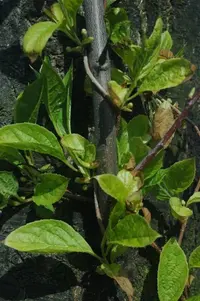
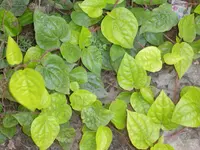
Betel leaf, Piper betle, is a tropical climbing vine grown mainly for its glossy, heart-shaped leaves. It is often trained on a support or trellis. The plant is native to South and Southeast Asia, where it thrives in warm, humid, shaded environments.

In cultivation it prefers dappled light, consistently moist but well-drained soil, and protection from cold or dry air. It can be grown outdoors in frost-free areas or indoors in bright, indirect light.

The main challenges are its sensitivity to cold, low humidity, and waterlogged soil. Once these needs are understood, it becomes relatively straightforward to care for Betel leaf.

Main Plant Requirements

Care Difficulty

Moderate Care

Light Preference

Partial Shade

Water Requirements

Keep Soil Moist

Temperature Preference

Tropical / Frost Sensitive

Hardiness Zone

10–12

Soil Texture

Loamy, Organic-rich

Soil pH

Acidic (5.5–6.5), Slightly acidic (6.5–7.0)

Soil Drainage

Moist but well-drained

Fertilization

Light (every 4–6 weeks)

Get Personalized Care Plan

Scan your plant to receive care tips personalized for your specific plant

Available on iOS and Android

How to Care for the Betel leaf

This tropical vine prefers bright, gentle light that mimics dappled forest shade.

  • Provide 3–5 hours of soft morning sun with bright, filtered light for the rest of the day; avoid harsh midday and afternoon sun that can scorch Betel leaf.
  • Grow in partial shade outdoors, such as under taller plants or 30–50% shade cloth, to prevent leaf burn and moisture stress.
  • In winter or cloudy seasons, move closer to a bright east- or south-facing exposure to prevent leggy growth and small, pale leaves.

This species likes consistently lightly moist soil but reacts badly to waterlogging.

  • Water when the top 2–3 cm of soil feels dry, then water thoroughly until excess drains away, avoiding standing water around the roots.
  • In warm growing seasons, expect to water more often as leaves lose moisture faster; in cooler months, extend the interval and check soil before each watering.
  • Watch for yellowing, soft leaves and a sour smell as signs of overwatering, and for limp, curling leaves and very dry soil as signs of underwatering in Piper betle.

This plant thrives in warm, frost-free conditions similar to a humid tropical understory.

  • Aim for 70–86°F (21–30°C) for active growth; growth slows noticeably below 68°F (20°C).
  • Protect the plant from temperatures below 50°F (10°C), as foliage damage and root stress can occur, and it will not tolerate frost at all.
  • In hot spells above 90°F (32°C), increase shade and airflow and avoid heat-reflecting surfaces to reduce leaf scorch and stress.

This species prefers consistently high humidity to maintain healthy foliage and steady growth.

  • Aim for 60–80% humidity; growth slows and leaf edges dry if air stays much below 50%.
  • Leaves curling inward, brown tips, and dull surface sheen indicate humidity stress rather than underwatering.
  • Use a pebble tray under the pot, group Betel leaf with other plants, or run a small humidifier nearby to raise humidity.

This vine grows best in loose, moisture-retentive but fast-draining soil that allows roots to breathe.

  • Use a loamy mix with 40–50% organic matter, such as composted bark or coco coir, to hold moisture without becoming heavy.
  • Aim for slightly acidic to neutral pH around 6.0–7.0 to support nutrient availability for Piper betle.
  • Combine potting mix with perlite or pumice at about 20–30% of the volume to improve aeration and reduce waterlogging risk.
  • Avoid compacted garden soil, high-clay mixes, or substrates that stay soggy, which quickly lead to root rot and yellowing leaves.

This species is very suitable for container growing when the pot is chosen to support its climbing habit and moist root zone.

  • Select a tall, fairly heavy pot to counterbalance the vine and reduce tipping as the plant climbs a support or trellis.
  • Choose a pot material that slightly slows drying, such as glazed ceramic or thick plastic, if outdoor conditions are hot and windy.
  • Ensure large, unobstructed drainage holes and elevate the pot on feet so excess water exits quickly and does not pool under the base.

Nutrient-rich but well-drained soil keeps Piper betle productive and leafy.

  • Use a balanced liquid fertilizer, such as 10-10-10 or 20-20-20, diluted to 1/2 strength every 3–4 weeks in the growing season.
  • Alternatively, apply a thin layer of mature compost or a mild organic slow-release fertilizer in spring.
  • Skip or halve feeding in winter when growth slows, especially for Betel leaf grown indoors.
  • Always water lightly before applying liquid feed to reduce root burn risk.

Thoughtful pruning keeps Piper betle compact, healthy, and productive.

  • Carry out light structural pruning in late winter or early spring before vigorous new growth starts.
  • Remove yellowing, dead, diseased, or crossing stems first to maintain airflow and reduce fungal issues.
  • Tip back excessively long vines above a leaf node to encourage bushier side shoots and more harvestable leaves.
  • Use clean, sharp scissors or pruning shears and make angled cuts just above nodes.

Container-grown Piper betle benefits from occasional repotting to maintain steady growth.

  • Check for roots circling the pot base, emerging from drainage holes, or slowed growth as signs it needs a larger container.
  • Plan to repot every 1–2 years in late spring, using a slightly larger pot with well-draining, rich mix.
  • Water thoroughly a day before, slide the root ball out gently, and loosen outer roots without tearing the core.
  • After repotting, water well, keep in bright indirect light, and avoid strong sun or heavy feeding for 1–2 weeks to limit stress.

Piper betle is most commonly propagated from stem cuttings taken from healthy, vigorous vines.

  • Take 8–12 cm cuttings with at least 2–3 nodes in late spring or early summer.
  • Remove lower leaves, optionally dip the cut end in rooting hormone, and plant in moist, well-draining mix.
  • Maintain high humidity and warmth around 70–80°F with bright, indirect light for consistent rooting.
  • For layering, pin a vine node onto moist soil until roots form, then separate and pot individually.

Warm-loving Piper betle needs careful winter management in climates with cool or freezing conditions.

  • It is frost-sensitive and should not be exposed to temperatures below about 50°F.
  • Move container plants indoors to a bright, draft-free spot before night temperatures drop in fall.
  • For in-ground plants in mild zones, mulch the root zone with 5–8 cm of organic material to buffer soil temperature.
  • Reduce watering in winter, allowing the top soil layer to dry slightly between waterings to prevent root rot.

Care Tips

Provide climbing support

Install a sturdy moss pole, trellis, or net and loosely tie young vines with soft ties so the plant can climb and produce larger, better-formed leaves.

Encourage aerial roots

Keep a moist, fibrous support (such as a moss pole wrapped in coconut fiber) so aerial roots can attach and draw extra moisture and nutrients, which helps produce dense foliage.

Controlled leaf harvesting

Harvest only a few mature leaves per vine at a time, cutting with clean scissors and leaving the top growing tips intact to avoid stunting growth while growing Betel leaf.

Warm root zone

Place pots on an insulating surface such as wood, cork, or a heat mat on low to keep the root zone warm, which reduces stress and improves growth in cooler indoor conditions.

Prevent pest buildup

Inspect leaf undersides and vine nodes every 1–2 weeks and rinse the foliage with a gentle lukewarm shower if dust or early pest signs appear to reduce the risk of scale and spider mite infestations.

Common Pests and Diseases

Scale insects

This pest attaches to stems and leaf undersides and sucks plant sap, leading to yellowing, leaf drop, and overall decline in growth.

Solution

Physically wipe or gently scrape off scales with a cotton pad dipped in diluted alcohol or insecticidal soap, then repeat treatments weekly for several weeks; improve light and airflow, and isolate heavily infested plants from other vines when caring for Betel leaf.

Mealybugs

These insects appear as white, cottony clusters in leaf nodes and on tender shoots, causing distorted new growth and sticky honeydew on Piper betle leaves.

Solution

Prune and discard heavily infested tips, dab visible mealybugs with cotton swabs dipped in alcohol, then follow with thorough sprays of insecticidal soap or neem oil every 7–10 days until no new insects appear.

Leaf spot

This disease causes small water-soaked spots that enlarge into brown or black lesions on leaves, sometimes with yellow halos, leading to premature leaf drop in humid conditions.

Solution

Remove and discard affected leaves, avoid overhead watering, improve spacing and airflow, and use a copper- or chlorothalonil-based fungicide labeled for edible leaves if new spots continue to develop.

Anthracnose

This disease produces dark, sunken lesions along leaf veins and on young stems, which can merge and cause blighting of whole leaves in warm, wet weather.

Solution

Cut off and destroy infected leaves and shoots, keep foliage as dry as possible, and apply an appropriate systemic or contact fungicide on a regular schedule during warm, humid periods to protect new growth.

Red spider mites

This pest occurs in hot, dry conditions and causes fine stippling, bronzing, and eventual leaf drop, sometimes with fine webbing on the underside of Piper betle leaves.

Solution

Rinse foliage thoroughly with a strong but gentle stream of water, increase humidity, and apply repeated treatments of horticultural oil or insecticidal soap to the undersides of leaves until new damage stops appearing.

Interesting Facts

Leaf chewing tradition

Leaves of Piper betle are traditionally chewed with areca nut and lime across South and Southeast Asia as part of long-standing social and ceremonial customs that date back thousands of years, documented in ancient Sanskrit and Pali texts.

Dioecious vine biology

Piper betle is dioecious, meaning male and female flowers grow on separate plants, so sexual seed production in cultivation is rare and the plant is usually propagated vegetatively by stem cuttings.

Aromatic essential oils

The leaves contain a complex essential oil rich in phenylpropanoids such as chavicol and eugenol, which give them a strong, spicy aroma and make the foliage unpalatable to many herbivores.

Botan icon

Did you know?

In many parts of India and Southeast Asia, named landraces of Piper betle have been selected over centuries for leaf size, thickness, taste, and aroma, creating a wide diversity of locally distinct betel leaf types even though they are all the same species.

FAQs about Betel leaf

Yes, the leaves are edible and widely used fresh in Southeast Asian and South Asian cuisines, often for wrapping snacks or in herbal preparations. Only use plants that are correctly identified and grown without harmful pesticides or contaminants.

Grow Healthy Plants with Botan Care

Keep your plants happy and healthy with plant identification, disease detection, and easy care guidance.

Botan plant care app — identify plants on mobile

Explore More Plants